How to do gratitude meditation
- Sit comfortably, close your eyes and rest one hand on your heart.
- Take a few slow breaths and notice the simple gift of breathing.
- Bring to mind one person you are grateful for, and why.
- Think of one simple thing, such as food, shelter or a kind word, and feel thankful for it.
- Recall one moment from today or yesterday that went well.
- Let the feeling of gratitude spread through the body, then open your eyes.
Benefits
- Gratitude practices are linked in studies with small improvements in mood and wellbeing
- May help shift attention away from worry and toward what is going well
- Connects with the yoga principle of santosha, contentment
- Short enough to do every morning or evening
Be careful
Gratitude is not a way to deny real difficulties. If you are struggling, it is fine to feel both thankful and sad. Seek support if low mood lasts.
Gratitude meditation is a short, quiet practice of noticing what is already good in your life and letting that appreciation be felt in the body, not just thought about. You bring to mind a person, a simple comfort and a recent moment, and stay with each one long enough for the feeling to land. It takes eight minutes, needs no belief, and is one of the easiest meditations to keep up every day.
What is gratitude meditation?
The gratitude meditation meaning is simple: you use attention to notice and savour things you are thankful for. It differs from a gratitude list in one way that matters. Writing "my family" in a notebook takes a second; meditation asks you to picture them, remember one specific kindness, and notice the warmth, softening or smile that follows. That felt sense is what many teachers believe makes gratitude a lasting habit rather than a polite phrase.
You may see it called thankfulness meditation or gratefulness meditation. In Hindi it is kritagyata dhyan or aabhar dhyan, and some people call it shukrana meditation, from the Urdu and Punjabi word for giving thanks.
Where gratitude fits in yoga
Patanjali's Yoga Sutras list santosha, contentment, among the niyamas, the personal practices of yoga. Gratitude is the most practical path to santosha: not wanting less, but noticing what you already have. In chakra tradition the practice is linked with Anahata, the heart chakra, the centre of love and compassion, which is why the guided session invites you to rest a hand on your heart and why the 3D teacher's heart point glows. This is a traditional and symbolic link, not an anatomical one; you can read more on the seven chakras page.
Gratitude meditation techniques and ideas
The guided session uses the three most common techniques: a person, a simple thing, a recent moment. Once they feel familiar, try these gratitude practice ideas. The examples below are gratitude practices for daily life, short enough for complete beginners.
- Three good things. At night, recall three things that went well today and why they happened. Psychologists call it the three good things gratitude practice, and it is the best-known gratitude practice exercise in research.
- Body gratitude. Move through the body thanking each part for its work: feet for carrying you, lungs for breathing, hands for everything they do. A body gratitude meditation script is especially kind if you are recovering from illness or feel critical of your body.
- First-time eyes. Look at something ordinary, a glass of clean water or a light switch, as if you had never had it. Think of the many people who made it possible.
- Breath phrases. Meditation with gratitude phrases can be as simple as thinking "thank" on the in-breath and "you" on the out-breath. This mantra gratitude meditation is useful when the mind is too busy for images.
- Gratitude with difficulty. Recall a hard time and notice one thing that helped you through it: a person, a skill you learned, your own persistence.
Morning or evening: how to start a gratitude practice
Morning gratitude meditation
A morning meditation for gratitude sets the tone before emails and news. Sit in Easy Pose or on a chair, bring your palms together in Anjali Mudra for a few breaths, then play the guided session. If you have gentle morning yoga in your routine, place the meditation at the end.
Gratitude meditation before bed
For a gratitude meditation in the evening, lie down and replay the day looking only for good moments, however small. A gratitude meditation before sleep replaces the habit of replaying problems, and many people find it pairs well with the sleep meditation.
How long and how often
A five-minute gratitude meditation is enough on busy days; 8 to 10 minutes lets the feeling deepen. A daily gratitude practice matters more than length. Popular challenges of gratitude meditation for 21 days are a good way to start, but habits usually take longer than three weeks to feel automatic, so plan for at least two months. Finished sessions are saved in My Practice on your device, so you can watch your streak grow.
A short gratitude meditation script to read
If you prefer your own voice, read this slowly, pausing about 20 seconds at each gap. It works as a guided gratitude meditation script for a group or a family, too, and as a gratitude mindfulness meditation script, since it moves from breath to body to feeling.
Sit comfortably and close your eyes. Take three slow breaths. (pause) Feel your breath arriving without any effort. Silently say: thank you. (pause) Picture someone who has helped you. See their face. Remember one thing they did. (pause) Think of one simple thing you have today: food, water, a bed. (pause) Recall one small moment that made you smile. Stay there. (pause) Notice where you feel gratitude in your body. Let it spread. (pause) Take a deeper breath, and open your eyes.
Benefits of gratitude: what the research says
The scientific benefits of gratitude are real but modest. Here are the gratitude practice benefits that studies have actually found.
- Wellbeing. In a well-known 2003 study by psychologists Robert Emmons and Michael McCullough, people who wrote down things they were grateful for each week felt better about their lives and more optimistic than people who listed hassles.
- Three good things. A 2005 study led by Martin Seligman found that writing three good things each night increased happiness and reduced depressive symptoms, with effects lasting for months. A one-off "gratitude visit", thanking someone in person, gave a large boost that faded within about a month.
- Mental health. More recent reviews find that gratitude practice for mental health gives small improvements in mood and wellbeing, and smaller effects on anxiety and depression. It is a helpful habit, not a treatment.
What are the common benefits of gratitude in daily life? People often report noticing good things more easily, feeling more connected to others and worrying a little less. Some studies also link gratitude with better sleep, but the health benefits of gratitude beyond mood are less certain. How to use gratitude for mental wellness, then? Treat it as one helpful habit alongside sleep, movement and time with people, not as a cure.
Common mistakes and a gentle caution
- Forcing the feeling. If you feel nothing, that is fine. Recalling the memory is the practice; the feeling often arrives on later days.
- Being too general. "My health" fades fast. "My knees let me climb the stairs today" stays fresh.
- Repeating the same list. Look for one new thing each day.
- Comparing. "At least I am better off than others" is not gratitude and often leaves guilt behind.
Gratitude is not a way to deny pain or push away grief, anger or fear. You can feel thankful and sad at the same time. If low mood lasts more than two weeks, talk to a doctor; gentle movement can help too, see yoga for depression.
Gratitude meditation for kids and teens
Gratitude practice for kids works best as a bedtime ritual: each person names one good thing from the day and one person they want to thank. For a gratitude meditation for teens, keep it private and specific; a note on the phone each night is enough.
Gratitude meditation in Hindi: कृतज्ञता ध्यान (kritagyata dhyan) आराम से बैठें, आँखें बंद करें और एक हाथ दिल पर रखें। कुछ धीमी साँसें लें और साँस के उपहार को महसूस करें। किसी एक व्यक्ति को याद करें जिसके आप आभारी हैं, और मन में "धन्यवाद" कहें। फिर किसी साधारण चीज़, जैसे भोजन या पानी, और आज के किसी अच्छे पल को याद करें। रोज़ सुबह या सोने से पहले 5–8 मिनट करें।
Gratitude pairs naturally with loving-kindness meditation. For more techniques, visit the meditation guide.
Frequently asked questions
What is gratitude meditation?
It is a meditation in which you bring to mind people, things and moments you are thankful for, and stay with each one long enough to feel the appreciation in your body. It connects with the yoga principle of santosha, contentment.
How do I do gratitude meditation?
Sit comfortably, close your eyes and take a few slow breaths. Think of one person you are grateful for and silently thank them. Then think of one simple thing and one good moment from today. Notice how gratitude feels in your body. The 8-minute guided voice above walks you through each step.
Is it better to do gratitude meditation in the morning or at night?
Both work. Morning practice sets a positive tone for the day; night practice helps you end the day on good moments instead of worries, and can help you settle for sleep. Choose the time you can keep every day.
How long should a gratitude meditation be?
A gratitude meditation of 5 minutes is enough to start. Eight to ten minutes gives the feeling time to deepen. Daily practice matters more than long sessions.
What are the benefits of gratitude meditation?
Studies of gratitude practices show small but real improvements in mood, optimism and wellbeing for many people. Some people also find it helps them worry less and sleep more easily. It is not a treatment for depression or anxiety.
What if I do not feel grateful?
That is common, especially during hard times. Simply recalling a kind act or a small comfort is the practice, even without a strong feeling. You can feel thankful and still feel sad; gratitude does not ask you to ignore real problems.
Can children do gratitude meditation?
Yes. Keep it short and playful: at bedtime, ask them to name one good thing that happened and one person they want to thank. Two or three minutes is plenty.
More guided meditations
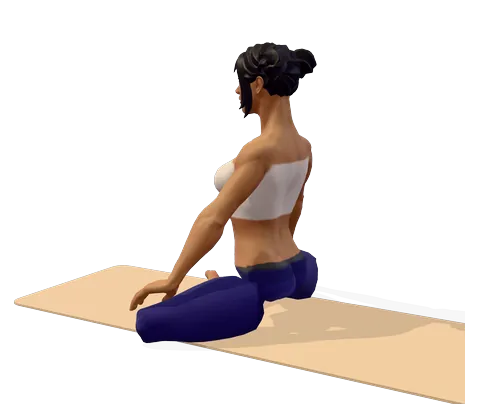 Breath Awareness MeditationRest your attention on the natural breath and gently return to it each time the mind wanders.
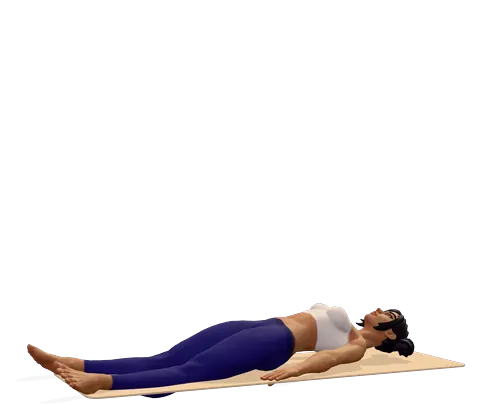 Body Scan MeditationMove your attention slowly through the body from the toes to the head, noticing sensations without trying to change them.Loving-Kindness MeditationSilently repeat warm wishes for yourself, then widen them step by step to others and to all beings.So Hum Mantra MeditationSilently hear the sound "So" as you breathe in and "Hum" as you breathe out, linking a mantra to the natural breath.OM Chanting MeditationChant OM aloud in slow, long breaths, then sit in the silence that follows the sound.Trataka Candle MeditationGaze steadily at a candle flame, then close your eyes and hold the after-image in your mind. See our full Trataka guide for more detail.
Meditation supports health; it does not replace medical or psychological care. If meditation brings up distressing memories or feelings, stop, open your eyes and ground yourself; talk to a professional if it keeps happening. Medical disclaimer.