How to do five-minute meditation
- Sit comfortably on a chair or cushion with your feet or seat grounded.
- Close your eyes and take three slow breaths with long out-breaths.
- Let the breath become natural and rest your attention on it.
- When the mind wanders, return to the breath without judging yourself.
- After about four minutes, feel your whole body and open your eyes.
Benefits
- Short, regular practice is easier to keep up than long, rare sessions
- A few minutes of slow breathing can help the body calm down during a busy day
- Builds a daily habit you can extend over time
- Fits into a work break, before a meeting or before sleep
Be careful
Safe for most people. If you feel lightheaded, return to normal breathing and open your eyes.
A 5 minute meditation is the smallest practice that still does real work: long enough for your breathing to slow and your attention to settle, short enough to fit before a meeting, after lunch or in bed. The guided session on this page opens with three slow breaths, then rests with the natural breath, and ends before the five minutes are up. As a five-minute meditation for beginners it is ideal, and experienced meditators use it on busy days to keep their habit alive.
Is 5 minutes of meditation enough?
For a quick reset, yes. A few minutes of slow breathing with longer exhales can help the body shift out of "alert" mode, and many people feel calmer after one short session. For lasting change, the answer depends less on length and more on how often you practise.
- Regular beats long. A study of people new to meditation found that about 13 minutes a day improved mood and attention after eight weeks, but not yet after four weeks. The lesson: small daily doses add up, and patience matters.
- Habits need repetition. Research on habit forming suggests a new daily habit takes around two months, often longer, to feel automatic. A short practice is far easier to repeat every day than a long one.
- It is a starting point. Many people who begin with five minutes find they want ten after a few weeks. That is the natural path.
Yoga agrees. Patanjali's Yoga Sutras say practice (abhyasa) becomes firmly rooted when it is done for a long time, without breaks, and with care. They do not say it must be done for hours each day. The benefits of a 5-minute daily meditation come mostly from the "without breaks" part.
When to use a quick meditation
| Moment | Why it helps | Tip |
|---|---|---|
| Morning | Sets a calm tone before messages and news | Sit on the edge of the bed, feet on the floor |
| Before work or a meeting | Clears the mind and steadies nerves | Eyes lowered at your desk; nobody will notice |
| Afternoon slump | A meditation break refreshes attention | Keep the eyes half open so you do not doze |
| After a stressful moment | Lets the body settle before you respond | Start with the three long out-breaths |
| Before bed | Moves you from doing to resting | Do it lying down, lights low |
5 minute meditation in the morning
A 5-minute morning meditation is the easiest habit to keep, because nothing has interrupted you yet. Link it to something you already do: after brushing your teeth, before your first tea or coffee. Sit in Easy Pose or on a chair, rest your hands in Chin Mudra if you like, and press play. A 5-minute meditation to start the day is a gentle way to meet it before anything else asks for your attention.
Short meditation for work
Meditation breaks at work need no special space. Sit back in your chair, feet flat, hands on your thighs, and lower your gaze to the desk. Headphones make the guided voice private. If you sit all day, combine it with a few stretches from yoga for desk workers. The main break meditation benefits people report are clearer focus and less tension carried into the next task.
Five quick meditation techniques to try
Once the basic breath practice feels easy, try these quick sitting meditation techniques. Each of these 5-minute meditation techniques trains a slightly different skill.
- Box breathing: breathe in, hold, out, hold, for four counts each (skip the holds if you are pregnant or have high blood pressure or heart disease). The sama vritti (box breathing) page explains it, and the breathing timer keeps count.
- Mini body scan: a 5-minute meditation body scan moves quickly through feet, legs, belly, chest, shoulders, face. The full body scan meditation takes 15 minutes.
- Three good things: a 5-minute gratitude meditation. Recall three things that went well and feel each one. See gratitude meditation.
- Sound anchor: a 5-minute mindfulness meditation in which you simply listen to sounds near and far, without naming them.
- Counting breaths: count each out-breath from one to ten, then start again. This is one of the simplest quick meditation breathing methods, and a good 5-minute meditation for focus or to clear the mind.
5 minute meditation for anxiety and sleep
When you feel anxious or stressed
For a quick meditation for anxiety, focus on the out-breath. Breathe in normally through the nose and breathe out slowly, as if through a straw, for a few rounds. Then feel your feet on the floor and your hands on your legs. If watching the breath makes you more nervous, keep your eyes open and name five things you can see. This is also a helpful 5-minute meditation for overthinking: the body gives your attention somewhere solid to land. The same routine works as a 5-minute meditation for stress and anxiety, and as a quick meditation for stress at any time of day. Keep any short meditation for anxiety this simple. For more support, see yoga for anxiety.
Before sleep
A short meditation before sleep is an easy, quick meditation to relax at the end of the day, and works best lying down. Try the 4-7-8 breath for a few rounds, then let the breath go and feel the body sink. If five minutes is not enough to settle, move on to the full 20-minute sleep meditation.
A 5 minute meditation script to read or record
If you want to lead yourself or a group, read this short meditation script slowly, leaving about 30 seconds of silence at each pause.
Sit comfortably, feet on the floor, spine tall. Close your eyes. (pause) Breathe in slowly through the nose, and out through the mouth. Twice more. (pause) Now let the breath find its own rhythm. Feel where it moves most clearly. (long pause) If the mind wanders, notice, and come back. No problem. (long pause) Feel your whole body sitting here, calm and awake. (pause) Take a deeper breath, and open your eyes.
From five minutes to a steady habit
- Weeks 1–2: the guided five-minute session every day, same time.
- Weeks 3–4: add a second five minutes somewhere in the day, or try one of the variations above.
- Month 2: set the meditation timer for 8 to 10 minutes of silent sitting with a bell at the end, or try the 10-minute breath awareness meditation.
Your finished sessions are saved in My Practice on this device, which makes it easy to see your daily streak.
Common beginner mistakes
- Checking the time. Let the voice or a timer end the session so you can let go of the clock.
- Waiting for a free moment. It never comes. Tie the practice to a fixed moment in your day.
- Expecting a blank mind. In five minutes the mind will wander many times. Coming back is the practice.
- Rushing out. Take the last deep breath and a few seconds of stillness before you reach for your phone.
5 minute meditation for kids and students
Children often manage two or three minutes, so a short meditation for kids can be even shorter than this one; five slow "balloon breaths" are enough. A 5-minute meditation for students before study or an exam can help calm nerves and settle attention.
This practice is safe for most people. If you feel lightheaded during the slow breaths, return to normal breathing and open your eyes.
5 minute meditation in Hindi (jaldi dhyan kaise kare): 5 मिनट का ध्यान कुर्सी या ज़मीन पर आराम से सीधे बैठें और आँखें बंद करें। तीन बार धीरे साँस लें और लंबी साँस छोड़ें। फिर साँस को अपने आप चलने दें और उस पर ध्यान रखें। मन भटके तो बिना खुद को दोष दिए वापस साँस पर लौटें। आख़िर में पूरे शरीर को महसूस करें और आँखें खोलें। रोज़ एक तय समय पर करें।
For every other technique on this site, see the meditation guide.
Frequently asked questions
Is 5 minutes of meditation enough?
Five minutes is enough to calm down in the moment, and daily short practice builds a habit that is easy to keep. Research suggests the benefits of meditation grow with regular practice over weeks, so doing five minutes every day is more useful than a long session once a week.
How do I meditate for 5 minutes?
Sit comfortably with your spine upright and close your eyes. Take three slow breaths with long exhales. Then let the breath become natural and rest your attention on it. When the mind wanders, come back without judging yourself. After about four minutes, feel your whole body and open your eyes.
What is the best time for a five-minute meditation?
Any time you can repeat every day. Morning is easiest for building a habit; before work helps focus; before bed helps you wind down. Many people use a short session whenever they feel stressed.
Can a 5 minute meditation help with anxiety?
Many people find that a few minutes of slow breathing with a longer out-breath helps them calm down. It can support you in the moment, but it is not a treatment for an anxiety disorder. If anxiety is frequent or severe, talk to a doctor.
Can I do a 5 minute meditation lying down?
Yes, especially before sleep. During the day, sitting is better because lying down makes it easy to doze off.
Do I need a timer for a five-minute meditation?
The guided voice keeps time for you. For silent practice, set the free meditation timer on this site to a 5 minute meditation; a soft singing-bowl bell rings at the end, so you do not need to watch the clock.
Can kids do a 5 minute meditation?
Yes, though younger children may prefer two or three minutes. Make it playful, such as imagining the belly as a balloon that fills and empties with each breath.
More guided meditations
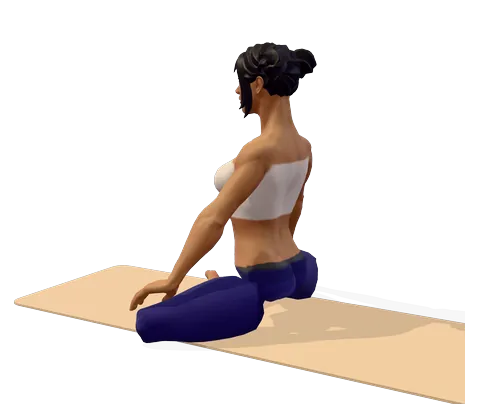 Breath Awareness MeditationRest your attention on the natural breath and gently return to it each time the mind wanders.
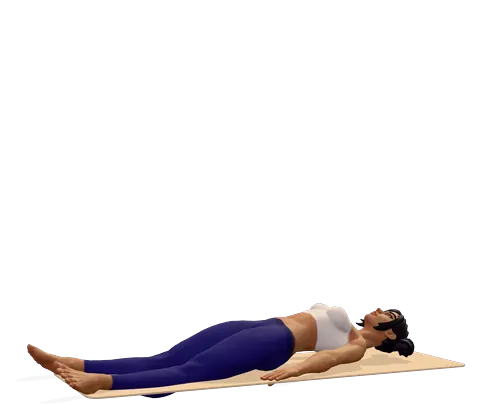 Body Scan MeditationMove your attention slowly through the body from the toes to the head, noticing sensations without trying to change them.Loving-Kindness MeditationSilently repeat warm wishes for yourself, then widen them step by step to others and to all beings.So Hum Mantra MeditationSilently hear the sound "So" as you breathe in and "Hum" as you breathe out, linking a mantra to the natural breath.OM Chanting MeditationChant OM aloud in slow, long breaths, then sit in the silence that follows the sound.Trataka Candle MeditationGaze steadily at a candle flame, then close your eyes and hold the after-image in your mind. See our full Trataka guide for more detail.
Meditation supports health; it does not replace medical or psychological care. If meditation brings up distressing memories or feelings, stop, open your eyes and ground yourself; talk to a professional if it keeps happening. Medical disclaimer.