How to do trataka candle meditation
- Sit in a dark, draught-free room with a candle about an arm's length away, the flame at eye level.
- Take a few slow breaths with eyes closed to settle.
- Open your eyes and gaze softly at the tip of the wick and the flame, blinking as little as is comfortable.
- After about one minute, or sooner if the eyes water, close your eyes.
- Watch the after-image of the flame between the eyebrows until it fades.
- Repeat two or three times, then rest with eyes closed and palm the eyes.
Benefits
- Gives the mind one clear visual focus, useful if your thoughts race with eyes closed
- Small studies suggest it may improve attention and working memory
- Traditionally said to strengthen concentration and prepare for meditation
- Hatha texts describe it as cleansing for the eyes, a traditional claim rather than a proven one
Be careful
Do not practise Trataka if you have epilepsy or a history of seizures, or with glaucoma, cataracts, recent eye surgery or any eye condition, unless your doctor agrees. Blink whenever you need to and never strain. Keep the candle safely away from fabric and never leave it burning.
Trataka meditation gives the restless mind something simple to hold: a small, living flame. You gaze at it softly, with as little blinking as is comfortable, and when the eyes want to close you let them, and watch the glowing after-image fade in the dark. Many people who find it hard to meditate with eyes closed discover that a candle flame steadies them within minutes.
This page is the guided practice: press play above and the voice reads a calm candle gazing meditation script through three rounds of gazing and inner watching. Here we add what trataka means, how it fits into hatha yoga, how long and how often to practise, beginner mistakes, research and, above all, how to keep your eyes and home safe. For a longer reference on objects and advanced stages, read our full Trataka guide.
What is trataka meditation? Trataka meaning and origin
The Sanskrit word trataka (trataka pronunciation: "TRAH-tuh-kuh"; in Hindi usually tratak) is generally explained as "to gaze" or "a steady look". The Hatha Yoga Pradipika, a 15th-century manual, describes it as looking at a small point with an unwavering gaze until tears come. It lists trataka among the six cleansing practices (shatkarmas), alongside neti, dhauti, basti, nauli and kapalbhati. That is why it is often called trataka kriya or tratak kriya: a cleansing action. In its own tradition, it is both a purification and a bridge from the body to meditation, and a long daily discipline of it is called tratak sadhana.
Traditional texts make big promises: that trataka removes eye diseases and laziness, and that it should be guarded "like a golden casket". These are traditional claims, not proven medical facts. What the practice reliably trains is dharana, one-pointed concentration, the sixth of Patanjali's eight limbs and the doorway to meditation.
Trataka meditation of the third eye
When you close your eyes and watch the after-image "between the eyebrows", you are placing attention at the point yoga calls Ajna, the third eye chakra. That is why trataka is often called a third eye opening meditation, or a guided meditation to open the third eye, and why the 3D teacher's brow point glows during the session. In tradition, a steady inner image here is said to sharpen intuition and inner vision. Read "opening the third eye" as a traditional way of describing a calm, focused, clear mind. There is no need to chase lights, visions or special powers; pushing for them usually brings strain rather than insight. If you enjoy inner images, the visualization meditation works with them more gently.
How to do trataka meditation well: setup and technique
The steps above show how to perform trataka. These details help trataka meditation for beginners go smoothly, whether you call it tratak yoga, tratak meditation or simply staring at a candle as meditation:
- Distance and height. Place the candle about an arm's length away, with the flame at eye level so you do not tilt the head. A small stool or a stack of books works; a dedicated trataka stand is not necessary.
- A still flame. Close windows and turn off fans. If your candles for meditation won't stay lit or keep flickering, the room has a draught, or the wick needs trimming to about half a centimetre.
- Unscented is better. Scented candles for meditation can irritate the eyes and airways. A plain wax or ghee lamp with a steady, small flame is traditional.
- Soft eyes. Gaze at the tip of the wick and the flame just above it, as if looking at something gentle, not staring someone down. Blink whenever you need to.
- The after-image. With eyes closed, the flame's image appears, drifts and changes colour. Gently bring it back to the center of the brow. When it fades, keep resting attention there.
- Finish with palming. Rub the palms warm and cup them over the closed eyes; this is the traditional way to rest the eyes after staring at a candle.
Sit in easy pose or on a chair; the spine should be upright and still so the flame stays in the same place in your view.
Other trataka meditation techniques: dot, yantra and mirror
- Bindu tratak (trataka meditation dot): gaze at a small black dot on white paper at eye level. It is a good choice where candles are unsafe, and many Indian schools teach it first.
- Yantra or symbol: a simple geometric yantra, or the OM symbol, is used for the same one-pointed gaze.
- Mirror trataka: gazing into your own eyes in a mirror is an advanced practice that can be unsettling. Beginners and anyone prone to anxiety or dissociation should avoid it.
- Never the sun. Some old texts mention gazing at the rising sun. Looking at the sun can permanently damage the retina. Do not do it.
How long to do trataka meditation, and when
| Stage | Gazing per round | Total time | How often |
|---|---|---|---|
| Weeks 1–2 | 30–60 seconds, or until the eyes water | 5–10 minutes (the guided session) | Daily or every other day |
| Weeks 3–8 | 1–2 minutes | 10–15 minutes | Daily |
| Experienced | Up to about 3 minutes if comfortable | 15–20 minutes | Daily, with the meditation timer |
The best trataka meditation time is in a dim room: early morning before sunrise or in the evening after dark, when the flame stands out clearly. Many people like trataka before a seated practice such as OM chanting or breath awareness, because the mind is already gathered. Avoid it right before sleep if it leaves you alert. Most people notice steadier focus after two to four weeks of regular practice.
Beginner mistakes
- Refusing to blink. Watering is normal; stinging or pain is not. Blink, close the eyes and rest.
- Long rounds too soon. Five minutes of unbroken staring on day one leads to tired, dry eyes.
- Chasing effects. Colours and halos in the after-image are normal optics, not signs of awakening.
- Screen gazing. A video of a candle is not the same. Screens flicker and emit glare; if you must, use a real flame or a paper dot.
Trataka meditation benefits: what research says
Research on trataka is small but growing, mostly from India. Small trials in students and older adults suggest regular trataka may improve attention, working memory and some measures of cognitive function. That fits its traditional use as a trataka meditation for concentration, and it is useful for people who struggle to focus in other meditations. See yoga for memory and concentration.
Many people also report feeling calm and less scattered afterwards, and some use it alongside yoga for stress relief. As for trataka yoga for eyes, or tratak kriya for eyes as a yogic eye exercise: the Hatha texts call it cleansing for the eyes and list it among the benefits of trataka kriya, and the tears do moisten them, but there is no good evidence that trataka improves eyesight or treats eye disease. Do not stop glasses or eye treatment. For screen-tired eyes, gentle eye exercises and regular breaks help more; see yoga for eye strain and yoga for dry eyes.
The spiritual benefits of trataka meditation, such as inner vision and awakened intuition, belong to yoga tradition and personal experience, not to measured science.
Trataka meditation side effects and safety
Do not practise flame trataka if you have epilepsy or a history of seizures (flickering light can trigger them), glaucoma, cataracts, recent eye surgery, or any active eye condition, unless your eye doctor agrees. If you have migraines triggered by light, use a dot instead of a flame. Stop if you feel eye pain, headache, dizziness or anxiety.
Possible side effects of overdoing it include dry or sore eyes, headaches and, for a few people, feeling spaced out. Keep rounds short, blink when needed and finish with palming. For fire safety, keep the candle on a stable, heat-proof surface away from curtains, hair and loose clothes, never leave it burning, and put it out with a snuffer or by gently covering it rather than blowing hard toward hot wax.
त्राटक (trataka meditation in Hindi, tratak kaise kare) — हिंदी में अँधेरे, शांत कमरे में बैठें और मोमबत्ती को एक हाथ की दूरी पर आँखों की सीध में रखें। लौ की नोक को हल्की, स्थिर नज़र से देखें; आँखों में पानी आए तो आँखें बंद करें और भौंहों के बीच लौ की छवि देखें। शुरुआत में 5–10 मिनट काफ़ी हैं। त्राटक क्रिया के फायदे (tratak kriya benefits in Hindi): एकाग्रता बढ़ सकती है और मन शांत होता है; तनाव दूर करने (stress kaise dur kare) का यह एक सरल अभ्यास है। मिर्गी या आँखों की बीमारी हो तो डॉक्टर से पूछे बिना न करें।
Frequently asked questions
What is trataka meditation?
Trataka is a hatha yoga practice of steady gazing at one small point, most often a candle flame, followed by watching its after-image with the eyes closed. It trains one-pointed concentration and is traditionally one of the six cleansing practices (shatkarmas).
How long should I do trataka meditation?
Beginners can gaze for 30 to 60 seconds per round, for three rounds, in a 5 to 10 minute session. Build slowly to 1 to 2 minutes per round and 15 minutes in total. Stop a round as soon as the eyes feel strained.
Can I blink during trataka?
Yes. Try to keep the gaze steady with few blinks, but blink whenever you need to. Tears are normal; pain, stinging or blurred vision that lasts are signs to stop.
What are the side effects of trataka?
Doing too much can cause dry or sore eyes, headache or dizziness. People with epilepsy, glaucoma, cataracts, recent eye surgery or other eye conditions should not do flame trataka without their doctor's approval.
Does trataka open the third eye?
In yoga tradition, trataka is linked with Ajna, the third eye, and is said to sharpen inner vision. In practical terms it builds calm, steady focus. Treat descriptions of awakening as traditional language rather than a goal to chase.
Can I use candles to meditate if I do not practise trataka?
Yes. A candle can simply mark the start of your sitting or give soft light. Trataka is the specific practice of gazing at the flame; you can also light a candle and then close your eyes for breath or mantra meditation.
Does trataka improve eyesight?
There is no good evidence that it improves eyesight or cures eye problems. Hatha texts describe it as cleansing for the eyes, which is a traditional claim. Keep using any glasses or eye treatment your doctor recommends.
When is the best time to practise trataka?
Early morning before sunrise or in the evening after dark, in a dim, draught-free room. Some people find it too stimulating right before bed.
More guided meditations
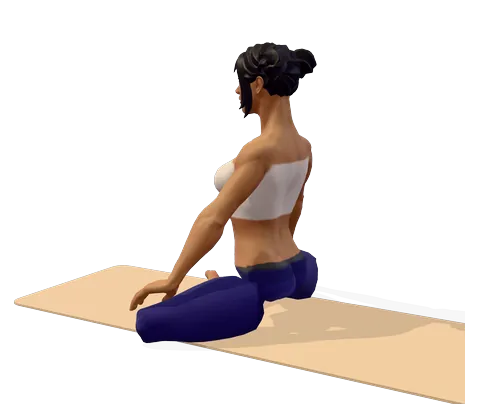 Breath Awareness MeditationRest your attention on the natural breath and gently return to it each time the mind wanders.
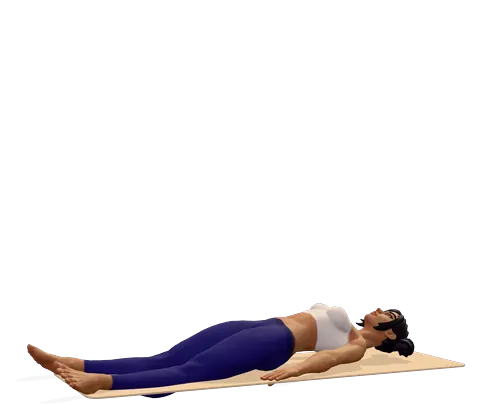 Body Scan MeditationMove your attention slowly through the body from the toes to the head, noticing sensations without trying to change them.Loving-Kindness MeditationSilently repeat warm wishes for yourself, then widen them step by step to others and to all beings.So Hum Mantra MeditationSilently hear the sound "So" as you breathe in and "Hum" as you breathe out, linking a mantra to the natural breath.OM Chanting MeditationChant OM aloud in slow, long breaths, then sit in the silence that follows the sound.Chakra Meditation (All 7 Chakras)Move your attention up through the seven chakras from the base of the spine to the crown, using colour and the seed sounds.
Meditation supports health; it does not replace medical or psychological care. If meditation brings up distressing memories or feelings, stop, open your eyes and ground yourself; talk to a professional if it keeps happening. Medical disclaimer.