How to work with Sahasrara: step by step
- Do a few minutes of gentle poses to release the body, then rest in Legs up the Wall.
- Sit in a steady seated pose with your hands in Dhyana mudra, the right hand resting in the left.
- Breathe slowly with three-part breath for two minutes, then let the breath become natural.
- Bring your attention to the crown of the head and picture a soft violet or white light.
- Chant OM softly a few times, then let it fade into silence.
- Rest in open, quiet awareness for five minutes or more, without effort.
- Before getting up, feel your seat and feet to ground yourself again.
When Sahasrara feels balanced
- A quiet sense of meaning and connection
- Openness to ideas without clinging to them
- Being at peace with not knowing everything
- Moments of deep stillness in daily life
Signs of imbalance (traditional view)
- Feeling cut off or that life lacks meaning
- Rigid beliefs, or chasing spiritual experiences
- Feeling "spaced out" and hard to ground
- Neglecting the body and daily duties
What Sahasrara is about
Stillness · Unity · Spiritual connection · Meaning · Surrender · Pure awareness
Traditional powers of Sahasrara
- Traditional texts describe Sahasrara as the seat where kundalini unites with Shiva, pure consciousness
- The texts describe the one who reaches here as liberated (moksha), free from the cycle of birth and death
- Tradition says this center is not "worked on" by effort but revealed in stillness
These are descriptions from yogic and tantric texts, not proven effects. Use them as themes for reflection, not as promises.
The Sahasrara chakra is the crown chakra, the seventh and highest center in the yoga and tantra map of the subtle body. Tradition places it at the top of the head and describes it less as a "wheel" to be worked on than as a quiet space that appears when the mind settles. This page explains the name, the thousand-petal lotus symbol, where it fits among the other chakras, and a calm daily practice that keeps you grounded.
What is the Sahasrara chakra? Meaning of the name
Sahasra meaning in Sanskrit is "thousand", and ara means the spoke of a wheel or a petal. So the Sahasrara chakra meaning is "the thousand-spoked" or "thousand-petalled", and in English it is simply the crown chakra. The old texts often call it the sahasrara padma, the thousand-petalled lotus. For Sahasrara chakra pronunciation, say sa-HAS-ra-ra, with the stress on the second syllable and a light, rolled "r".
What does chakra mean in Sanskrit? The meaning of the word chakra is "wheel" or "circle". In yoga it names a center in the subtle body where, tradition says, channels of energy (nadis) meet. A chakra is a map for attention in meditation, not an organ you can find in anatomy. The crown chakra name in Hindi is सहस्रार चक्र (Sahasrar chakra), and the Sahasrara chakra meaning in Hindi is the same thousand-petalled lotus.
How many chakras, including the Sahasrara chakra?
Most people today count seven, with the crown as the seventh. The classical sixteenth-century text on the subject is actually called Sat-Chakra-Nirupana, "a description of the six chakras". It treats the crown differently: the six are stations on the way, and the thousand-petalled lotus above them is the destination. That is why many teachers say Sahasrara is "beyond" the chakras rather than one more step.
You may also see lists of chakras above the crown chakra, such as an eighth "soul star". These come from modern systems, not from the traditional yoga texts.
The thousand-petal lotus: symbol, colour and location
The Sahasrara chakra symbol is a lotus of a thousand petals facing downward over the head like an umbrella. The texts arrange the petals in twenty layers, each carrying all fifty letters of the Sanskrit alphabet, a way of saying that every sound and every form is held here. How many petals does a lotus have in nature? Far fewer; the thousand petal lotus meaning is symbolic, standing for the countless.
For the Sahasrara chakra color, the classical text describes it as brilliant white, "more lustrous than the full moon", with petals of many colours. The violet crown chakra color used in modern charts comes from the rainbow scheme; both white and violet are used in meditation. The crown chakra element is none of the five elements. It is described as pure awareness beyond them.
Where is the crown chakra located? The Sahasrara chakra location is the crown of the head, around the soft spot on a baby's skull, which yoga calls the brahmarandhra, "the opening of Brahman". Some traditions place it just above the head.
What the crown chakra does in the chakra system
What does the crown chakra do in the traditional picture? It completes the journey that starts at the root chakra. In the kundalini teaching, the energy said to sleep at the base of the spine rises through the six centers and, at the crown, Shakti unites with Shiva, pure consciousness. The texts call this union liberation.
The step before it is the Ajna, or third eye chakra, the seat of the mind. Ajna is where attention is trained; Sahasrara is described as what remains when even that effort is let go. So what is the crown chakra responsible for? In the language of tradition: meaning, unity and rest in awareness itself. You can see all seven together on our chakra chart.
Sahaja Yoga, a modern movement, gives the Sahasrara chakra a central place and teaches that its opening can be felt as a cool breeze above the head. That is a teaching of that movement rather than of the classical texts.
How to open or activate the crown chakra: a grounded daily practice
Asking how to open the crown chakra is natural, but the traditional answer is gentle: you do not push it open. You settle the body and breath, rest attention at the crown, and then let go of trying. Most teachers pair crown chakra meditation with grounding work, because the higher the attention goes, the more the feet need to stay on the floor.
Morning or early evening (15 to 20 minutes)
- Three minutes of easy movement, then rest in Legs up the Wall.
- Two minutes of three-part breath (Dirga Pranayama), then a few minutes of alternate nostril breathing.
- Sit in a steady seat with your hands in Dhyana mudra, right hand resting in the left.
- Rest attention at the crown. Chant OM softly a few times, each one quieter, then sit in silence for five minutes or more.
- Before you stand, feel your seat, your hands and your feet.
Practise most days rather than for long hours once a week. If you are new to meditation, start with the meditation timer set to ten minutes and add a few minutes each week.
Crown chakra meditation for sleep
At bedtime, a lighter version works well: lie down, picture soft white light at the top of the head flowing down through the body, and let it settle at the feet. It pairs well with our guided Yoga Nidra.
Crown chakra yoga poses for beginners
The classic Sahasrara chakra asanas are the seated meditation postures: Easy pose, Half Lotus, Accomplished pose and Thunderbolt pose. These are the real crown chakra meditation poses, because the aim is a tall, relaxed spine that you can forget about.
Headstand is traditionally linked to the crown because it places the top of the head on the floor, but it is not a beginner pose. Skip it with neck problems, high blood pressure, glaucoma, heart disease or in pregnancy. For crown chakra yoga poses for beginners, Hare pose gives gentle pressure near the crown with no load on the neck. As crown chakra yin poses, hold Child's pose or Legs up the Wall for three to five minutes, and always finish in Corpse pose.
For the hands, the usual mudra for crown chakra practice is Dhyana mudra, or Uttarabodhi mudra, with the index fingers pointing upward.
Crown chakra opening symptoms: what is normal and what is not
Online lists of crown chakra opening symptoms include tingling or pressure at the top of the head, a sense of spaciousness, feeling deeply peaceful, sensitivity to light, and feeling "floaty" or disconnected. Mild tingling and a sense of calm are common in any relaxed meditation and are nothing to chase. Feeling spaced out usually means the practice needs more grounding, not more intensity.
Get urgent medical help for a sudden, severe headache, numbness, weakness, confusion or changes in vision. If after meditation you cannot sleep, feel unreal or detached for days, or have racing or unusual thoughts, stop the practice and see a doctor or mental-health professional. Keep taking any prescribed medicine. These are not signs of spiritual progress.
How to protect or close the crown chakra
If you feel too open, step back from crown-focused practice for a while. Walk barefoot, eat a proper meal, sleep well, and put your attention on the feet and the base of the spine. That grounding is the practical answer to how to protect the crown chakra or how to close it. Tradition also warns against using spiritual ideas to avoid ordinary duties; caring for your body and relationships is part of the practice.
Crown chakra mantra, music and crystals
The Sahasrara chakra beej mantra is usually given as OM, chanted so softly that it fades into silence. Many teachers say the true Sahasrara chakra sound is silence itself. Crown chakra music, the "963 Hz" crown chakra healing frequency, crystals and crown chakra stones such as clear quartz and amethyst, and crown chakra foods lists are modern ideas without support in research or the classical texts. Use them only if they help you relax.
Crown chakra affirmations work best when simple: "I am at peace with not knowing everything" or "I am part of something larger, and I am here."
What research says
No study has found or measured a crown chakra, and the modern link to the pineal gland is an association, not a finding. Meditation itself has been widely studied. Reviews, including those summarised by the US National Center for Complementary and Integrative Health, suggest meditation may help with anxiety, stress and sleep for many people. Studies of experienced meditators also describe states of deep calm and a reduced sense of a separate self. Those are the realistic crown chakra meditation benefits: more ease and perspective, not special powers.
सहस्रार चक्र — हिंदी में सहस्रार का अर्थ है "हज़ार पंखुड़ियों वाला कमल", और यह सिर के शीर्ष पर माना जाता है। Sahasrara chakra kaise jagrit kare: रोज़ शांत बैठें, दीर्घ श्वास और अनुलोम-विलोम करें, सिर के शीर्ष पर हल्का ध्यान रखें, धीरे से "ॐ" बोलें और फिर मौन रहें। अंत में पैरों और ज़मीन को महसूस करें। "Sahasrara chakra khulne ke lakshan" के रूप में गहरी शांति बताई जाती है; नींद न आना या बेचैनी हो तो अभ्यास रोकें और डॉक्टर से बात करें।
Yoga poses for the crown chakra
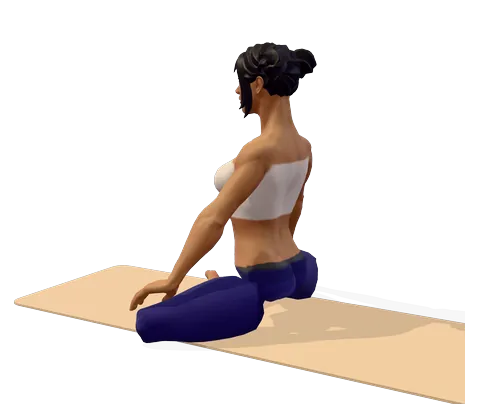 Easy PoseSukhasana
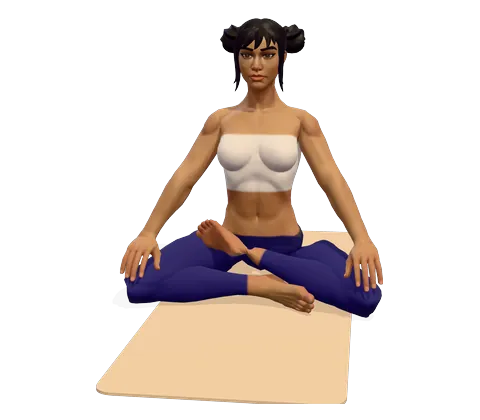 Half Lotus PoseArdha Padmasana
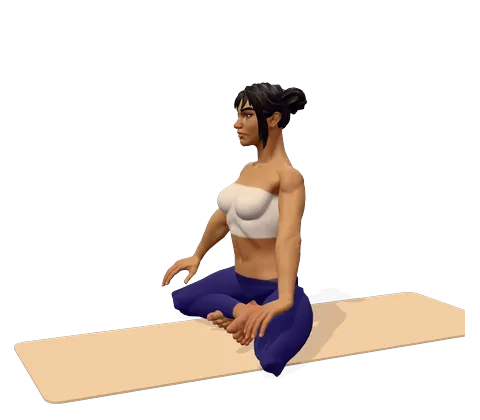 Accomplished PoseSiddhasana
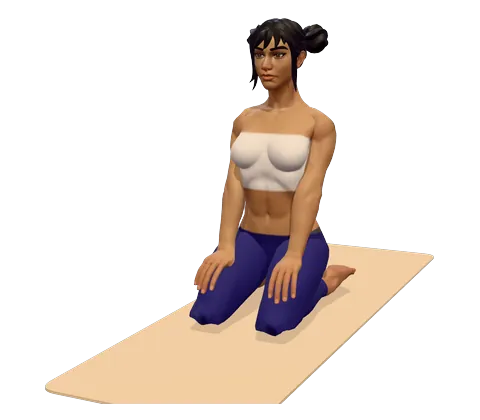 Thunderbolt PoseVajrasana
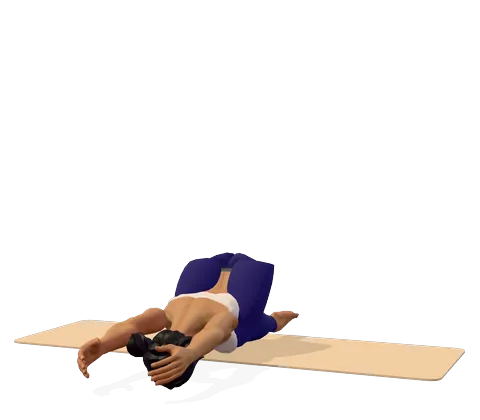 Hare PoseShashankasana
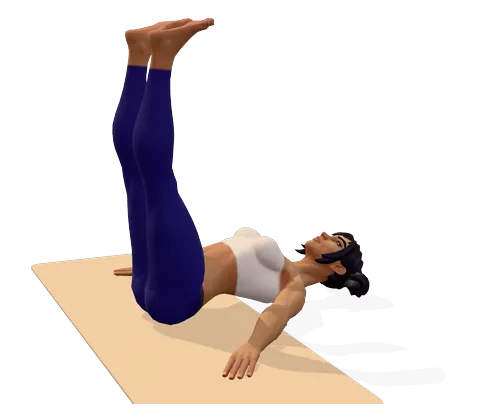 Legs-Up-the-Wall PoseViparita Karani
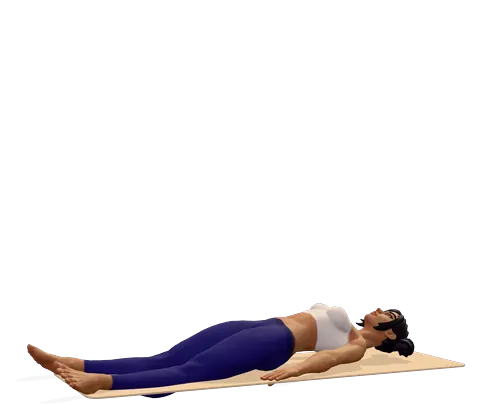 Corpse PoseSavasana
Frequently asked questions
What happens when the Sahasrara chakra opens?
Traditional texts describe the union of Shiva and Shakti, liberation (moksha) and freedom from the cycle of birth and death. These are spiritual descriptions, not measurable events. In everyday practice, people more often describe moments of deep stillness and a quieter sense of self.
What are the traditional powers of the Sahasrara chakra?
The texts say the one who reaches the crown is liberated and no longer bound by birth and death. Tradition also says this center is not worked on by effort but revealed in stillness, so chasing powers is seen as a distraction.
How do I know if my crown chakra is blocked?
Tradition would point to feeling that life lacks meaning, rigid beliefs, or the opposite: chasing spiritual experiences and neglecting daily life. Persistent low mood or loss of meaning can also be signs of depression, which deserves proper care from a doctor. To heal or unblock the crown chakra in the traditional sense, keep a short daily practice and stay grounded.
How long should a crown chakra meditation be?
Ten to twenty minutes a day is plenty for most people. Begin with a few minutes of breathing, spend most of the time in quiet awareness, and always end by grounding your attention in the body.
What is the difference between the crown chakra and the third eye?
The third eye (Ajna) is described as the center of the mind, where focused attention is trained. The crown (Sahasrara) is described as awareness beyond the mind, reached by letting that effort go.
Can I practise crown chakra meditation if I have anxiety?
Many people with anxiety find gentle meditation helpful, but keep sessions short, keep your eyes slightly open if you feel unsettled, and focus on grounding. If you have a history of psychosis or dissociation, talk to your doctor first.
Chakras, kundalini and the traditional powers linked to them come from yogic and tantric tradition. They are not anatomical structures and these descriptions are not medical claims. Meditation and gentle yoga are generally safe, but intense breathing, long breath holds or very long sittings can cause dizziness, anxiety or distress, and may not suit people with heart disease, high blood pressure, epilepsy, pregnancy or a history of psychosis, bipolar disorder or trauma. Keep any prescribed treatment, practise gently and stop if you feel unwell. See our medical disclaimer.