How to work with Ajna: step by step
- Rest your forehead on the floor or a block in Child's pose or Hare pose for a minute.
- Sit tall in Thunderbolt or Easy pose and do five minutes of alternate nostril breathing.
- Bring your hands into Hakini mudra, fingertips touching, in front of the chest.
- Rest your attention gently between the eyebrows, without straining the eyes upward.
- Chant OM aloud slowly, letting the "mm" hum last, for about nine to twelve rounds.
- Sit in silence and watch the space behind the closed eyes for a few minutes.
- If you feel a headache or pressure, lower your attention to the breath at the nostrils.
When Ajna feels balanced
- Clear thinking and good focus
- Trusting your inner sense while still checking facts
- A vivid but grounded imagination
- Seeing situations from a wider view
Signs of imbalance (traditional view)
- Scattered attention and overthinking
- Confusion or difficulty making decisions
- Getting lost in fantasy
- Tension across the forehead and eyes
What Ajna is about
Intuition · Insight · Concentration · Imagination · Clarity · Inner guidance
Traditional powers of Ajna
- Traditional texts describe the meditator on Ajna seeing the light of the Self and becoming all-knowing and all-seeing
- The texts say one who masters this center can "enter another body at will", a symbol of complete mastery of the mind
- Ajna means "command": it is said that here the guidance of the teacher is received
These are descriptions from yogic and tantric texts, not proven effects. Use them as themes for reflection, not as promises.
The Ajna chakra is the third eye chakra, the sixth of the seven energy centers in yoga and tantra. Tradition places it between the eyebrows, a little behind the forehead, and links it with the mind itself rather than with any of the five elements. This page explains what the name means, how it fits the chakra system, how to practise with it without straining your eyes or your nerves, and what the popular talk of "opening the third eye" does and does not mean.
What is the Ajna chakra? Meaning of the name
What does Ajna mean? The Sanskrit word ajna (आज्ञा) means "command", "authority" or "instruction", and it comes from a root meaning "to know" or "to perceive". So the Ajna chakra in English, like the Agya chakra meaning in Hindi, is the command center or center of knowing; agya and aagya are simply Hindi spellings.
Tradition gives two reasons for the name. The first is that here the mind receives guidance: the teacher's instruction, and in a deeper sense the "inner teacher" of intuition. The second is that a steady mind can direct, or command, the rest of the body and senses. For Ajna chakra pronunciation, say AAG-ya or AAJ-nyah; both are heard in India.
The third eye in Hinduism and beyond
What is the third eye in Hinduism? The best-known image is Shiva's third eye in the middle of the forehead, which sees beyond ordinary sight and, in the stories, burns away desire. The coloured mark (tilak or bindi) that many Hindus wear between the eyebrows sits on the same spot, and the Ajna chakra tilak is traditionally understood as a reminder to hold attention there. So the spiritual meaning of the third eye chakra is insight; the human third eye is not a hidden organ that grows or opens.
Ajna chakra location, symbol and colour
The Ajna or Agya chakra location is the eyebrow center, called bhrumadhya in Sanskrit. The third eye chakra symbol is a lotus of only two petals, carrying the syllables HAM and KSHAM, with a downward triangle and the sacred sound OM in the middle. As for the Ajna chakra symbol meaning, the two petals are often read as the two sides of the mind, or the left and right channels, meeting in one point.
For the Ajna chakra color, the classical Sat-Chakra-Nirupana describes the lotus as white like the moon. The deep indigo or violet third eye chakra color found in most modern charts comes from the rainbow scheme. Use whichever image settles your attention. The Ajna chakra element is not earth, water, fire, air or space but manas, the mind.
Where Ajna fits in the chakra system
The seven chakras move from the body upward: the first five hold the five elements, and the last of them, the Vishuddha or throat chakra, dissolves the elements into space. Ajna comes next and stands for the mind that knows all of them.
In the kundalini teaching, Ajna is where the two side channels, Ida (cool, lunar) and Pingala (warm, solar), are said to meet the central channel. It is also the site of the last "knot", Rudra granthi. That is why the third eye and crown chakra are often discussed together: Ajna is described as the final doorway before the Sahasrara crown chakra, the seat of pure awareness.
How to activate and balance the Ajna chakra day to day
If you want to know how to open or activate the third eye chakra, most traditions give a plain answer: train steady, relaxed attention, and keep your life calm and honest enough for that attention to grow. A short daily routine of Ajna chakra practices, 10 to 20 minutes long, is enough, ideally at the same time each day. Judge it after six to eight weeks, not after one sitting.
A simple morning practice
- One minute with the forehead resting on the floor or a block in Child's pose or Hare pose. The light pressure on the brow is a natural cue to bring attention there.
- Five minutes of Nadi Shodhana, alternate nostril breathing, without breath holds. In tradition it balances the left and right channels that meet at Ajna.
- Five rounds of Bhramari, feeling the hum spread through the forehead.
- Five to ten minutes of Ajna chakra meditation: attention resting softly between the eyebrows, then silent OM.
In the evening
Evening is a good time for a guided meditation to open the third eye, in the gentle sense: use the voice player on this page, where the 3D teacher's brow point glows while the voice guides you. Afterwards, bring attention down to the breath at the belly before you go to sleep, so the mind does not stay "switched on".
Third eye meditation techniques for beginners
Eyebrow-center focus
For third eye meditation for beginners, close the eyes and simply feel the space between the eyebrows, as if you were noticing a light touch there. Do not roll the eyes upward. The most common mistake is to squeeze the forehead and eyes, which leads to pressure and headaches.
Trataka, candle gazing
Trataka meditation of the third eye means gazing at a candle flame, then closing the eyes and watching the after-image at the brow. Our guided Trataka candle meditation takes you through it. Skip it if you have epilepsy or migraine triggered by light, and keep the gaze soft.
OM chanting
OM is the Ajna chakra beej mantra and the classic mantra for the third eye chakra. Chant it slowly, letting the "mm" hum last until the breath is empty, for nine to twelve rounds, then repeat it silently. The OM chanting meditation is a good guided start. Among all om mantras for meditation, this simple long OM is the one traditionally tied to Ajna.
Hand gestures
The usual Ajna chakra mudra is Hakini mudra, with all ten fingertips touching in front of the chest. Gyan mudra and Kalesvara mudra are also used.
Third eye chakra yoga poses and a short flow
Good third eye chakra yoga poses for beginners are forward bends and resting poses that quiet the eyes and bring the forehead down. A short third eye chakra yoga flow: Child's pose, Downward Dog, Wide-Legged Forward Bend, Eagle pose for one-pointed balance, then Hare pose and a few minutes sitting in Thunderbolt pose.
As restorative yoga poses for third eye chakra practice, try Child's pose with the head on a bolster and Legs up the Wall with an eye pillow. People with glaucoma, very high blood pressure or a detached retina should avoid long head-down poses and ask their doctor which forward bends are safe.
Ajna chakra opening symptoms: an honest look
Lists of third eye chakra opening symptoms online include pressure or tingling between the eyebrows, vivid dreams, flashes of colour behind the closed eyes, headaches and feeling "more intuitive". Tradition does describe inner light and deeper insight in advanced meditation. In everyday practice, though, most of these feelings have simple causes. Pressure at the brow usually comes from tense forehead muscles and eyes that strain upward. Colours behind the eyelids are normal activity of the visual system when the eyes are closed. Vivid dreams, often listed as a sign of the third eye chakra opening while sleeping, can follow any change in evening routine.
See a doctor or eye specialist promptly if you notice a sudden shower of flashes or floaters, a shadow over your vision, a new severe headache, or headaches that keep coming back. If after meditation you cannot sleep, feel detached from reality, or hear or see things others do not, stop the practice and speak to a doctor or mental-health professional. These are not signs of spiritual progress to push through.
Can the Agya chakra be closed once it gets open?
Tradition does not describe a switch that flips open or shut. If you feel overstimulated or "too open", step back: stop brow-focused practice for a while, walk, eat a proper meal, and do grounding practices that bring attention to the feet and the base of the spine, such as work with the root chakra. That is the practical answer to how to close the third eye chakra.
Crystals, frequencies and affirmations
Third eye chakra crystals and stones such as amethyst, lapis lazuli and sodalite, the "Ajna chakra gem" lists, and numbers like the third eye chakra frequency of 852 Hz are modern ideas. They do not appear in the classical texts, and no research shows they act on the mind by themselves. Third eye chakra music can still help you settle if you enjoy it. The same is true of third eye chakra foods lists. Third eye chakra affirmations work best when they are simple and grounded: "I see clearly, and I check the facts."
What research says
No study can locate or measure a chakra, and the modern link between Ajna and the pineal or pituitary gland is a modern association, not a finding. What has been studied is attention training. Research on focused-attention meditation, the kind used here, shows that regular practice can improve the ability to hold and return attention, and brain-imaging studies of experienced meditators show changes in networks involved in attention. Reviews also suggest meditation may modestly ease anxiety and stress for many people. Those are the realistic Ajna chakra meditation benefits: a steadier, clearer mind, not new senses.
Ajna chakra meaning in Hindi: आज्ञा चक्र आज्ञा चक्र दोनों भौंहों के बीच माना जाता है, और "आज्ञा" का अर्थ है आदेश या जानना। इसका बीज मंत्र "ॐ" है। Agya chakra kaise jagrit kare: रोज़ सुबह अनुलोम-विलोम (बिना साँस रोके) करें, फिर आँखें बंद करके भौंहों के बीच हल्का ध्यान रखें और धीरे-धीरे "ॐ" का जाप करें। आँखों पर ज़ोर न डालें। "Teesri aankh kaise khole" का सीधा उत्तर यही है कि ध्यान धीरे-धीरे स्थिर करें; सिरदर्द हो तो अभ्यास हल्का कर दें।
Yoga poses for the third eye chakra
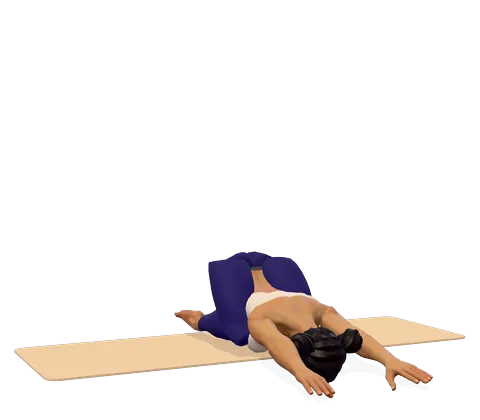 Child’s PoseBalasana
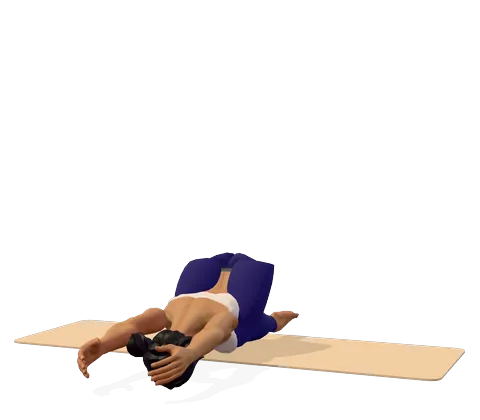 Hare PoseShashankasana
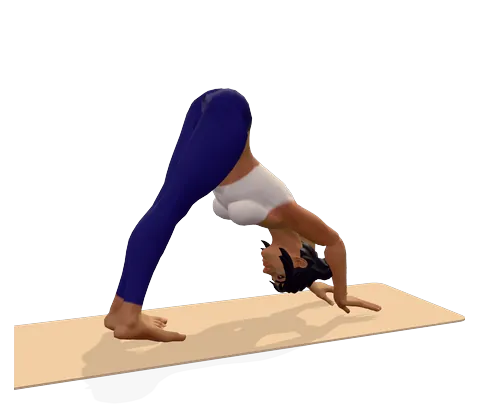 Downward-Facing Dog PoseAdho Mukha Svanasana
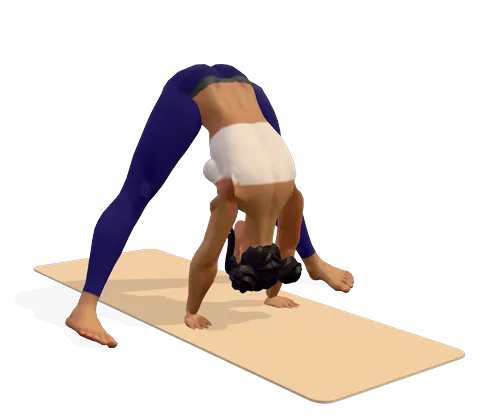 Wide-Legged Forward BendPrasarita Padottanasana
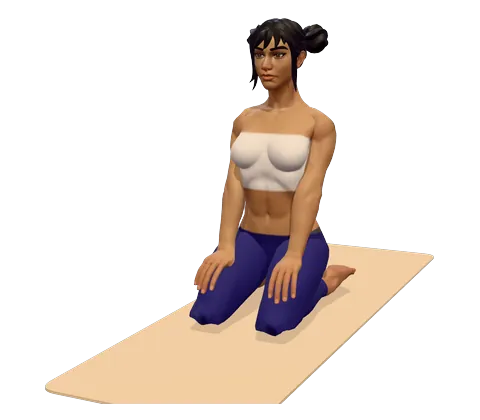 Thunderbolt PoseVajrasana
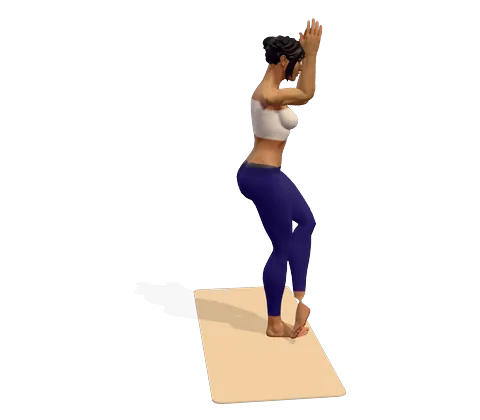 Eagle PoseGarudasana
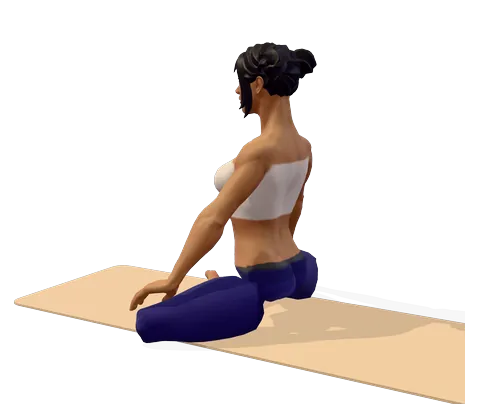 Easy PoseSukhasana
Frequently asked questions
Where is the Ajna (third eye) chakra located?
Tradition places it at the eyebrow center, between and slightly above the eyebrows, and some teachers place it a little deeper, in the middle of the head. You rest attention there lightly, without straining the eyes upward.
What happens when the Ajna chakra opens?
Traditional texts describe inner light, deep insight and a mind that sees clearly. In daily practice the realistic change is steadier attention, less overthinking and better judgement. Strong or frightening experiences are a reason to slow down and seek advice, not a goal.
What are the traditional powers of the Ajna chakra?
Old texts say the meditator on Ajna sees the light of the Self and becomes all-knowing, and even that a master of this center can "enter another body at will". These are symbolic descriptions of complete mastery of the mind, not skills to expect.
How long should I do third eye meditation?
Start with five to ten minutes a day and build to twenty minutes over a few weeks. Short daily sessions are safer and more useful than long, intense ones. Use our meditation timer if you want a gentle bell at the end.
Is it safe to focus on the third eye?
For most people, yes, when attention is soft. Stop if you get a headache or eye strain and move your focus to the breath at the nostrils. People with glaucoma, epilepsy or a history of psychosis should be careful with long brow-focused or candle-gazing practice and ask a doctor.
How is the third eye chakra linked to the crown chakra?
In tradition Ajna is the last center of the mind and Sahasrara, the crown, lies beyond it as pure awareness. Practice at Ajna steadies attention; the crown is described as what is revealed when even that effort is let go.
Chakras, kundalini and the traditional powers linked to them come from yogic and tantric tradition. They are not anatomical structures and these descriptions are not medical claims. Meditation and gentle yoga are generally safe, but intense breathing, long breath holds or very long sittings can cause dizziness, anxiety or distress, and may not suit people with heart disease, high blood pressure, epilepsy, pregnancy or a history of psychosis, bipolar disorder or trauma. Keep any prescribed treatment, practise gently and stop if you feel unwell. See our medical disclaimer.