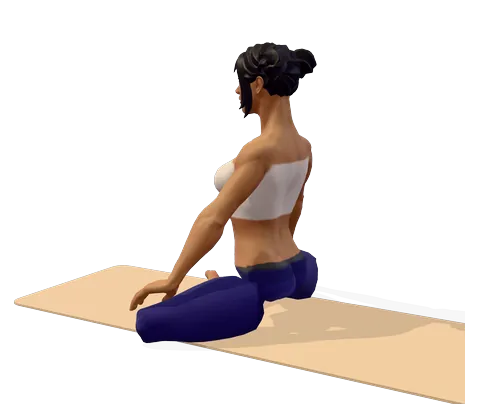
How to work with Anahata: step by step
- Warm the upper back with Cat and Cow, then open the chest with Cobra and Extended Puppy.
- If your back is warm and pain-free, try Camel with hands on the hips.
- Sit tall with your hands in Apana Vayu or Padma mudra and breathe slowly and evenly for three minutes.
- Rest your attention at the center of the chest and picture a soft green light.
- Chant YAM aloud slowly, one sound per out-breath, for about nine to twelve rounds.
- Continue silently while you picture someone you love, then yourself, bathed in that light.
- Finish with a few minutes of stillness, one hand resting on your heart.
When Anahata feels balanced
- Warmth toward yourself and others
- Being able to give and receive
- Forgiving without forgetting your own needs
- A sense of balance between thinking and feeling
Signs of imbalance (traditional view)
- Feeling closed off, lonely or guarded
- Giving too much and feeling drained
- Holding on to hurt or resentment
- Rounded shoulders and shallow chest breathing
What Anahata is about
Love · Compassion · Connection · Forgiveness · Balance · Openness
Traditional powers of Anahata
- Traditional texts describe the meditator on Anahata becoming wise, beloved by others and master of the senses
- The name means "unstruck": the texts say the inner sound heard here is not made by any two things striking
- The Yoga Sutras say that focused attention on the heart brings understanding of the mind
These are descriptions from yogic and tantric texts, not proven effects. Use them as themes for reflection, not as promises.
The Anahata chakra, or heart chakra, is the fourth of the seven chakras in yoga tradition. It is described at the center of the chest and is linked with the air element, the colour green and the seed sound YAM. Its themes are love, compassion, forgiveness and the balance between giving and receiving.
Because it sits in the middle of the seven, the heart chakra is often called the bridge between the three "earthly" centers below and the three "spiritual" centers above. This page explains the name and symbol, how to practise day to day, what beginners get wrong and what research says, and it complements the step-by-step practice and guided meditation above. For the overview, see the seven chakras.
Anahata chakra meaning: "unstruck"
Anahata means "unstruck" or "unhurt" in Sanskrit. It refers to anahata nada, the inner sound described in yoga texts that is not made by any two things striking together, unlike every ordinary sound. So the anahata chakra meaning in English points to a quiet, steady place inside that stays whole whatever happens outside. "Unhurt" is a lovely way to read it: a heart that can stay open without being broken.
In Hindi it is also called the hriday chakra (heart chakra) or Anahat chakra. For anahata chakra pronunciation, say a-NAA-ha-ta, with a light "h".
What does the heart chakra do?
In the chakra map, the Manipura chakra below is about personal power: "I can". Anahata widens that to "we": caring for others without losing yourself. It is linked with the sense of touch, with the lungs and breath through the air element, and, in modern books, with the thymus, the gland associated with the Anahata chakra in most Western charts. Devotion (bhakti) and kindness are its traditional paths.
Heart chakra symbol and colour
The heart chakra symbol, or Anahata chakra yantra, is a lotus of twelve petals around a six-pointed star made of two interlaced triangles. One triangle points up and one points down, a picture of balance between rising and descending energy, spirit and matter. The animal is a black antelope, quick and light like air. The old texts describe the petals as deep red, while today the heart chakra color (and the Anahata chakra color in most charts) is almost always green, the colour of growth and fresh leaves; pink is sometimes added for tenderness.
Some texts also describe a small eight-petalled "heart lotus" just below Anahata, with a wish-fulfilling tree inside. It is a place for devotional meditation on a chosen image of the divine, and it shows how central the heart is in Indian spiritual practice.
Anahata chakra location
Where is the Anahata chakra located? The anahata chakra location is the center of the chest, level with the heart, with its root traditionally placed on the spine behind the breastbone. It is not the physical heart, which sits slightly to the left. For practice, rest one hand on the breastbone and feel it rise and fall; that is where your attention goes.
YAM mantra: the heart chakra chant
The heart chakra mantra is YAM, the bija of the air element. Say it "yum", rhyming with "drum", and let the hum spread across the chest. As the Anahata chakra beej mantra, the YAM mantra chant is usually done aloud for nine to twelve rounds, one sound per out-breath, and then silently for several minutes. Keep the voice soft; this is not a sound to push.
For the hands, choose Apana Vayu mudra, traditionally called the "heart mudra", or Padma mudra, the lotus gesture held in front of the chest like an opening flower. Either makes a good Anahata chakra mudra for the practice above.
How to open the heart chakra day to day
How to open your heart chakra, or how to activate the Anahata chakra, is really a question of habit. Two things matter most: an open, mobile upper back, and a kind attitude you practise on purpose. Short daily sessions work better than occasional long ones.
| When | Practice | Time |
|---|---|---|
| Morning | Cat and Cow, Cobra, Extended Puppy, then Bridge | 8–10 min |
| At your desk | Clasp hands behind the back, lift the chest, take five slow breaths | 1 min |
| Evening | Even breathing, YAM chanting with Padma mudra, then a heart chakra meditation | 10–15 min |
| Before sleep | Supported Fish pose over a rolled blanket, one hand on the heart | 3–5 min |
Practise five or six days a week and give it a month. For the breathing, coherent breathing (about five to six slow breaths a minute) or Anulom Vilom both suit the air element and its theme of balance.
Heart chakra yoga poses: the best choices
The best heart chakra yoga poses and Anahata chakra asanas open the chest and the front of the shoulders. Beginners do well with Cobra, Sphinx, Extended Puppy and Bridge. With a warm, pain-free back, Camel pose with hands on the hips is the classic heart opener. For heart chakra yin yoga poses or a restorative practice, lie over a bolster lengthwise for five minutes, or use supported Fish pose. Bridge and Fish also stretch the front of the neck, which is why they appear among heart and throat chakra yoga poses; the next center, the throat chakra, follows naturally.
Heart chakra meditation and affirmations
The heart chakra meditation script in the player above ends with loving-kindness, and that is the traditional core of heart work. Picture someone you love and silently wish them well, then yourself, then someone neutral. Our loving-kindness meditation guides this step by step. Heart chakra affirmations can follow: "I give and receive with ease." "I can forgive and still keep my boundaries." "There is room in my heart for me too."
Beginner mistakes
- Cranking the lower back. Heart openers should bend the upper back. If you feel pinching in the lower back in Camel or Cobra, come out, lengthen the tailbone down and lift the chest instead.
- Forgetting yourself. Many kind people "give too much". Tradition calls that an Anahata chakra blockage of a quieter kind, not an open heart. Include yourself in every loving-kindness round.
- Forcing forgiveness. You do not have to forgive a harm before you are ready. Let the practice soften you slowly, and get support if old hurt feels heavy.
- Buying the heart open. Heart chakra crystals such as rose quartz, "639 Hz" music and green heart chakra foods are modern additions. They are fine as reminders, but the texts teach breath, mantra and attention.
Heart chakra opening symptoms: tradition and safety
People often ask about Anahata chakra opening symptoms. Traditional and modern accounts describe feelings of warmth in the chest, tears, a softer mood, stronger empathy, vivid dreams or emotions surfacing while sleeping, which some call heart chakra opening while sleeping. Within kundalini teaching, heart chakra opening is described as an important turning point, when practice becomes less about the self; see our page on kundalini. These are signs described by tradition and by practitioners, not measured effects.
Chest pain, pressure or tightness, a racing or irregular heartbeat, breathlessness or pain spreading to the arm or jaw are never "heart chakra opening physical symptoms". Stop and get medical help at once. If you have heart disease, keep your treatment and ask your doctor before strong backbends.
What research says
There is no scientific evidence that chakras are physical structures, and nothing can test whether a heart chakra is blocked or open. Heart chakra frequency claims and crystal healing have no reliable research behind them.
The practices are a different story. Studies of loving-kindness meditation suggest it can increase positive emotions and feelings of connection with others. Slow, even breathing around six breaths a minute is well known to increase heart rate variability, a sign of a calmer, more flexible nervous system. Reviews also suggest regular yoga can support heart health alongside medical care; see yoga for heart health. So the Anahata chakra benefits and heart chakra opening benefits people report, feeling calmer and kinder, have a reasonable basis in the practices themselves.
अनाहत चक्र (Anahata chakra) — हिंदी में अनाहत चक्र, जिसे हृदय चक्र भी कहते हैं, छाती के बीच में माना जाता है। इसका तत्व वायु, रंग हरा और बीज मंत्र "यं" है। अनाहत चक्र कैसे जागृत करें: भुजंगासन, उष्ट्रासन और मत्स्यासन जैसे छाती खोलने वाले आसन करें, फिर पद्म मुद्रा में बैठकर धीरे-धीरे "यं" का जाप करें और किसी प्रिय व्यक्ति के लिए शुभकामना करें। परंपरा के अनुसार इससे प्रेम, करुणा और संतुलन बढ़ता है। सीने में दर्द हो तो तुरंत डॉक्टर से मिलें।
Sitting in silence
The name Anahata invites listening. After your YAM rounds, sit for five to ten minutes with the meditation timer and simply listen: to the breath, to the quiet between sounds, to the feeling in the chest. The traditional Anahata chakra powers, such as wisdom and being loved by others, are best read as what grows in a person who practises this kind of listening for years. Someone called "Anahata chakra dominant" is simply described as warm, generous and people-centred.
Yoga poses for the heart chakra
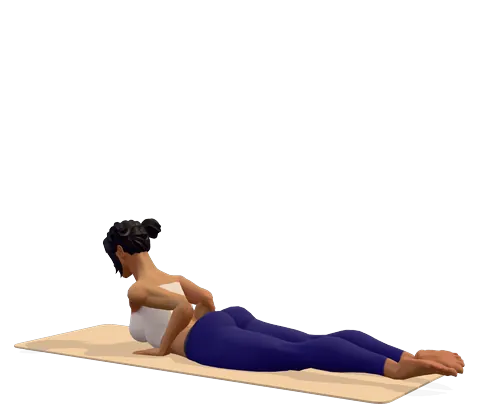 Cobra PoseBhujangasana
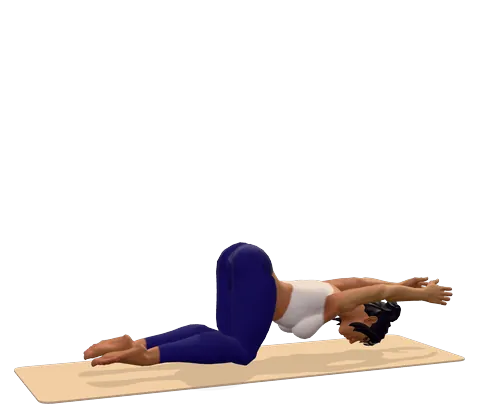 Extended Puppy PoseAnahatasana
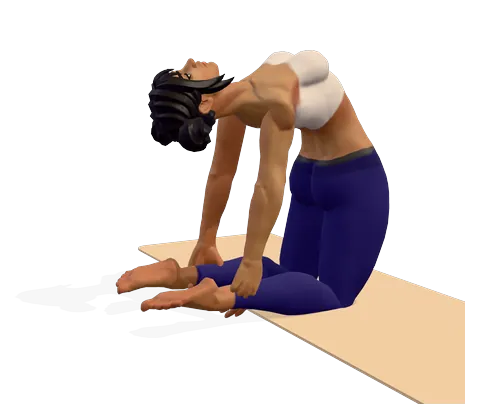 Camel PoseUstrasana
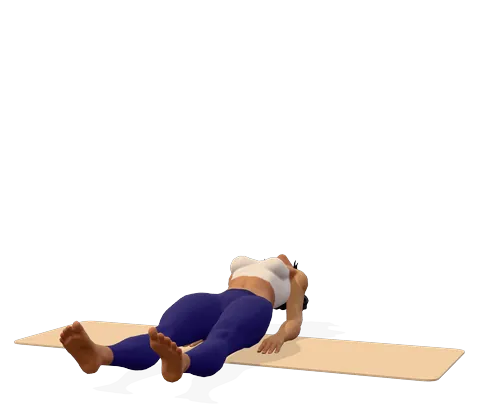 Fish PoseMatsyasana
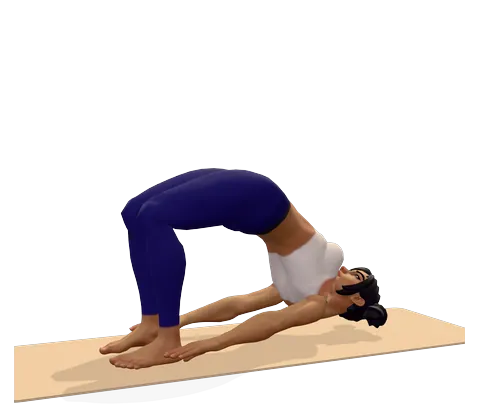 Bridge PoseSetu Bandhasana
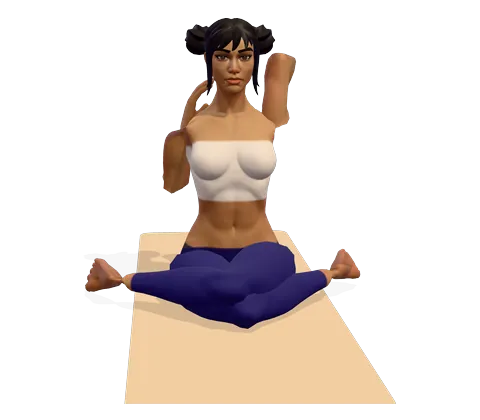 Cow Face PoseGomukhasana
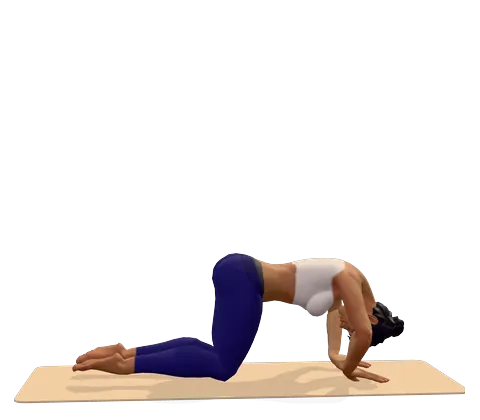 Cat PoseMarjaryasana
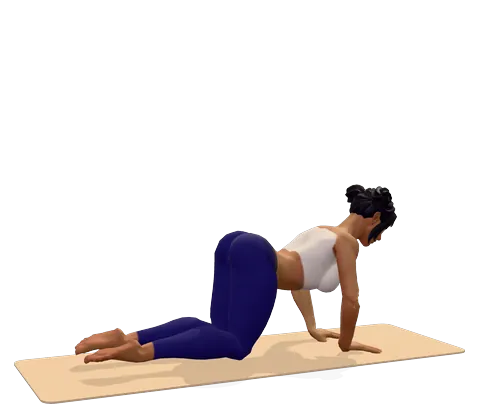 Cow PoseBitilasana
Breathing
Frequently asked questions
What is the Anahata chakra?
Anahata, the heart chakra, is the fourth of the seven chakras in yoga tradition. It is described at the center of the chest, linked with the air element, the colour green and the mantra YAM, and associated with love, compassion and balance.
Where is the heart chakra located?
At the center of the chest, level with the heart, with its root traditionally on the spine behind the breastbone. It is a point of attention in tradition, not the physical heart, which sits slightly to the left.
How do I open or heal my heart chakra?
Open the chest with poses such as Cobra, Extended Puppy, Bridge and supported Fish, breathe slowly and evenly, chant YAM with Padma or Apana Vayu mudra, and practise loving-kindness meditation. Ten to fifteen minutes most days for a few weeks is a good start.
What are the signs that the heart chakra is opening?
Tradition and practitioners describe warmth in the chest, feeling more forgiving and connected, tears, or old emotions coming up. These are personal experiences, not medical signs. Chest pain or a racing heartbeat always needs a doctor.
What is the mantra for the heart chakra?
YAM, pronounced "yum". It is the seed (bija) sound of the air element. Chant it gently, one sound per out-breath, then repeat it silently.
Which gland is associated with the Anahata chakra?
Modern charts link Anahata with the thymus gland in the chest. This is a modern association that matches the old map to Western anatomy; the classic yoga texts do not mention glands.
What does a blocked heart chakra feel like?
In the traditional view: feeling closed off, lonely or guarded, holding on to hurt, or giving so much that you feel drained. Rounded shoulders and shallow chest breathing are also described. If loneliness or low mood lasts, talk to a doctor or counsellor too.
Anahat chakra kaise jagrit kare?
Rozana Bhujangasana, Ustrasana aur Matsyasana jaise chest opening asanas karein. Phir Padma mudra mein baith kar chhaati ke beech dhyan rakhein aur dheere dheere YAM mantra ka jaap karein. Ant mein kisi apne ke liye aur khud ke liye shubhkamna karein.
Chakras, kundalini and the traditional powers linked to them come from yogic and tantric tradition. They are not anatomical structures and these descriptions are not medical claims. Meditation and gentle yoga are generally safe, but intense breathing, long breath holds or very long sittings can cause dizziness, anxiety or distress, and may not suit people with heart disease, high blood pressure, epilepsy, pregnancy or a history of psychosis, bipolar disorder or trauma. Keep any prescribed treatment, practise gently and stop if you feel unwell. See our medical disclaimer.