Sivananda Yoga is a classical, gentle-paced form of Hatha yoga built on a fixed order of 12 basic postures, with breathing exercises, chanting and plenty of relaxation. Every class follows the same framework, so you always know what comes next. That predictability, and the long rests between poses, make it a good fit for beginners and for anyone who wants a calm, traditional practice rather than a workout.
What is Sivananda Yoga?
The style is named after Swami Sivananda Saraswati (1887–1963), a yoga guru who trained as a doctor, worked in Malaya, and then became a monk and set up his ashram in Rishikesh, India. He founded the Divine Life Society there in 1936. Swami Sivananda wrote hundreds of short books on yoga and spiritual life, including a well-known one on Japa Yoga, the repetition of a mantra. People sometimes call Swami Sivananda a father of modern yoga; the title is more often given to T. Krishnamacharya, but both teachers shaped how yoga spread worldwide.
The style itself was brought to the West by his student Swami Vishnudevananda, who opened the first Sivananda Yoga Vedanta Centre in Montreal in 1959 and started one of the earliest yoga teacher training courses (TTC) in the West in the late 1960s.
Today the Sivananda Yoga Vedanta Centres organisation (spelled "Center" in the USA), sometimes called the Sivananda school of yoga, runs city centres and ashrams in several countries. Its best-known ashrams in India are at Neyyar Dam in Kerala and near Madurai in Tamil Nadu, and Sivananda Yoga is also taught at a camp in Val-Morin, Quebec, a farm in California, a ranch in New York state and a retreat in the Bahamas.
"Sivananda Paramahamsa" and his Vasi Yogam are a different tradition from Kerala, not the same as Sivananda Yoga.
The five points of yoga
Swami Vishnudevananda summed up the teaching in five simple points that shape the Sivananda Yoga style:
- Proper exercise — the asanas (postures).
- Proper breathing — pranayama.
- Proper relaxation — Savasana between and after poses.
- Proper diet — simple vegetarian food.
- Positive thinking and meditation — study and meditation.
What a Sivananda Yoga class looks like
A traditional class lasts about 90 minutes and follows this sequence:
- Opening relaxation in Savasana and a short chant.
- Breathing exercises: Kapalabhati and alternate-nostril breathing (Anulom Vilom).
- A few rounds of sun salutation, then single and double leg raises lying on your back.
- The 12 basic postures, with short relaxation between them.
- Final relaxation of 10 minutes or more, and a closing chant.
The pace is slow and steady. Sivananda Yoga does not flow quickly from pose to pose like a vinyasa class: poses are held for several breaths, and teachers give clear, simple instructions.
The 12 basic postures in order
| # | Posture | Main effect |
|---|---|---|
| 1 | Headstand (Sirshasana) | Strengthens shoulders and core; traditionally the "king" of poses |
| 2 | Shoulder stand (Sarvangasana) | Inversion that stretches the neck and upper back |
| 3 | Plough (Halasana) | Stretches the whole back of the body |
| 4 | Fish (Matsyasana) | Counter-pose that opens the chest and throat |
| 5 | Seated forward bend (Paschimottanasana) | Stretches hamstrings and spine |
| 6 | Cobra (Bhujangasana) | Strengthens the back muscles |
| 7 | Locust (Salabhasana) | Strengthens the lower back and legs |
| 8 | Bow (Dhanurasana) | A full backbend that opens the front body |
| 9 | Half spinal twist (Ardha Matsyendrasana) | Mobilises the spine |
| 10 | Crow or peacock (Kakasana / Mayurasana) | Arm balance for strength and focus |
| 11 | Standing forward bend (Pada Hastasana) | Stretches the back of the legs |
| 12 | Triangle (Trikonasana) | Side stretch and leg strength |
The order has a logic: inversions first, then a counter-pose, then forward and backward bends, a twist, a balance and standing poses. Each posture and its benefits are best felt in the relaxation that follows it.
Benefits of Sivananda Yoga
Research rarely looks at this style on its own, but it is a traditional form of Hatha yoga, and studies of Hatha yoga suggest regular practice may improve flexibility, balance and strength, ease stress and support better sleep. The frequent rests teach you to relax on purpose. The benefits of the Savasana yoga pose, practised again and again in each class, include a slower breath and a calmer mind. Traditional texts praise the benefits of Shirshasana and Sarvangasana for circulation and focus, although these claims are mostly based on tradition rather than trials.
Who it suits, and who should adapt it
Which is the easiest yoga for beginners? Sivananda Yoga is one of the gentler choices, because the pace is slow and the sequence never changes. A Sivananda Yoga beginners class teaches the same sequence with easier versions of the inversions. It suits people who like routine and a spiritual flavour. If you want a sweaty workout, a faster flowing style may suit you better.
Skip headstand, shoulder stand and plough if you have high blood pressure, heart disease, glaucoma, a neck or spine problem, or are pregnant; many teachers also suggest skipping inversions during a period. Kapalabhati is not for high blood pressure, heart disease, epilepsy or pregnancy. Learn headstand only with a qualified teacher.
A Sivananda Yoga sequence for beginners at home
For a Sivananda Yoga routine of 30 minutes: 3 minutes of relaxation, 3 minutes of gentle breathing, 2 rounds of sun salutation, leg raises, then shoulder stand at a wall or legs-up-the-wall instead of the inversions, followed by fish, seated forward bend, cobra, locust, half spinal twist, standing forward bend and triangle, with 5 minutes of final relaxation. To stretch the Sivananda Yoga routine to 60 minutes, hold each pose longer and add full rests. Build this sequence in the session builder and let the 3D guide and voice lead you.
Other types of yoga
Poses you will meet in Sivananda Yoga
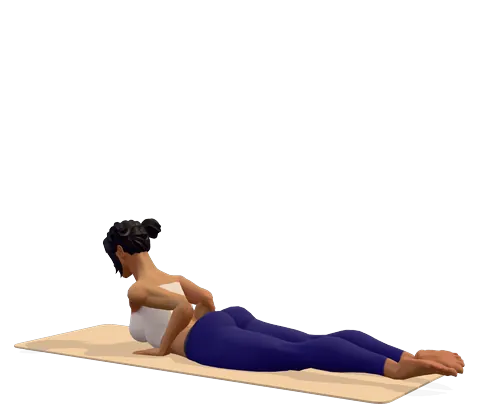 Cobra PoseBhujangasana
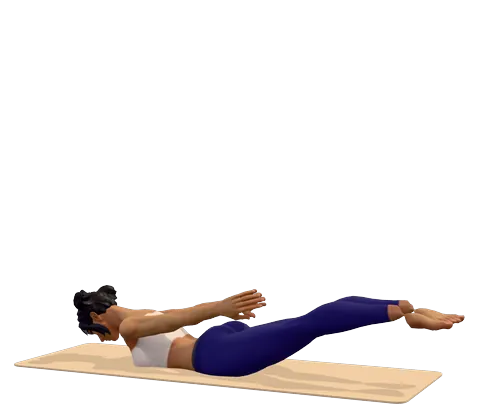 Locust PoseSalabhasana
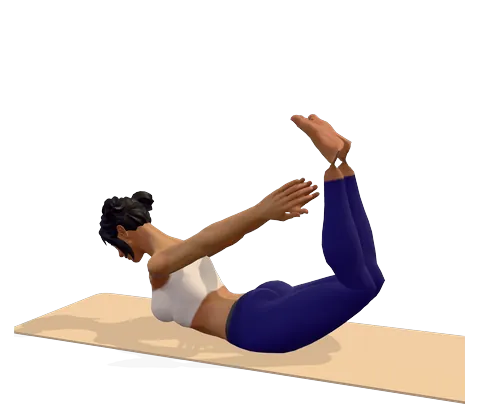 Bow PoseDhanurasana
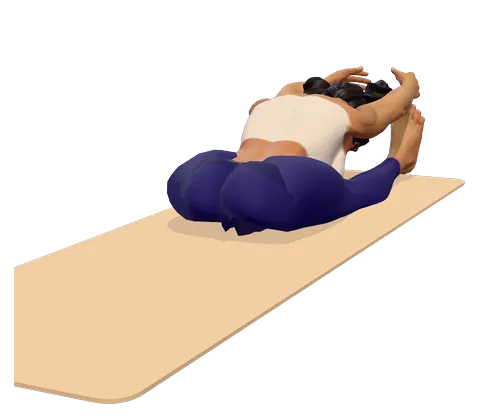 Seated Forward BendPaschimottanasana
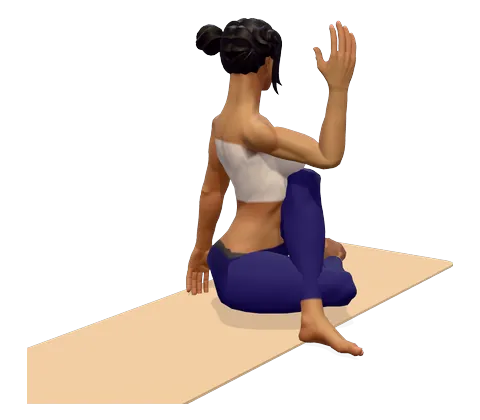 Half Lord of the Fishes PoseArdha Matsyendrasana
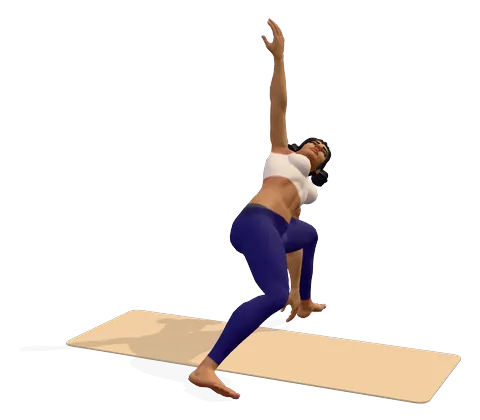 Triangle PoseTrikonasana
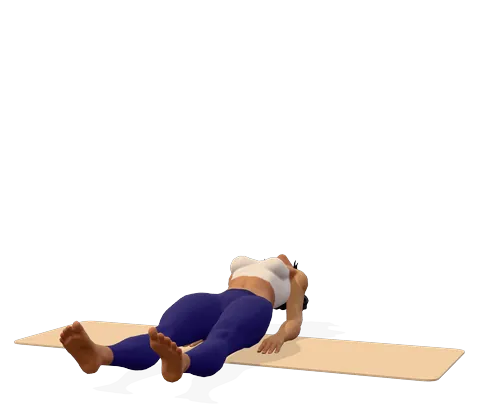 Fish PoseMatsyasana
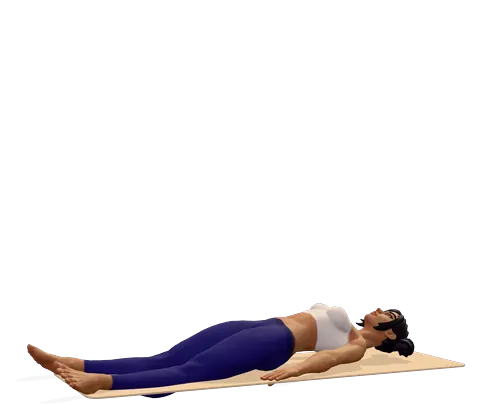 Corpse PoseSavasana
Frequently asked questions
What is Sivananda Yoga?
Sivananda Yoga is a classical Hatha yoga style based on the five points of yoga and a fixed sequence of 12 basic postures, with breathing, chanting and relaxation.
Is Sivananda Yoga good for beginners?
Yes. The slow pace, long rests and unchanging sequence make it easy to learn. Beginners can replace headstand and shoulder stand with easier poses.
How long is a Sivananda Yoga class?
A traditional class is about 90 minutes. At home, a 30-minute or 60-minute version with the same structure works well.
What is the difference between Sivananda and Hatha yoga?
Sivananda is a type of Hatha yoga. Its difference is the fixed order of 12 postures, the rests between them and the emphasis on chanting and diet.
Who was Swami Sivananda?
Swami Sivananda (1887–1963) was an Indian doctor turned monk who taught in Rishikesh, founded the Divine Life Society and wrote many books on yoga.
Do I have to chant or be vegetarian?
No. Chanting and a vegetarian diet are part of the tradition, but you can practise the postures and breathing without them.