Yoga Nidra meditation is a guided practice in which you lie still on your back and follow a voice that moves your attention through the breath, the body and a few simple images. The aim is to reach a state between waking and sleep: the body deeply relaxed, the mind quiet but still listening. It needs no flexibility, no special clothes and no experience, which is why it is one of the easiest yoga practices for beginners.
What is Yoga Nidra? Meaning and definition
The Yoga Nidra meaning is simple: nidra is Sanskrit for "sleep", so the phrase is usually translated as "yogic sleep". It is commonly known as yogic sleep or, in newer Western language, "non-sleep deep rest" (NSDR). A working definition: Yoga Nidra is a systematic method of guided deep relaxation, done lying down, in which you stay aware while the body rests.
Is it real yoga? Yes. The word appears in older Indian texts, where it describes a state of conscious rest. The Yoga Nidra technique most people practise today was set out by Swami Satyananda Saraswati of the Bihar School of Yoga in the 1960s and 1970s, drawing on traditional practices. Later teachers adapted it; one well-known secular version, iRest Yoga Nidra, has been used in programmes for military veterans in the United States.
Do not confuse it with Yoga Nidrasana, an advanced pose in which both legs go behind the head. Yoga Nidra, the practice, is done in corpse pose (Savasana).
Yoga Nidra steps: what happens in a session
Scripts differ, but a classic Yoga Nidra guided practice follows the same stages. Our free guided Yoga Nidra tool uses this order:
- Settling: lie in Savasana, cover yourself with a light blanket and close your eyes.
- Sankalpa: you make a short, positive intention in your own words, such as "I am calm and healthy".
- Body scan (rotation of awareness): the voice names body parts quickly, from the right thumb to the whole body. You just feel each part.
- Breath awareness: you notice the natural breath and may count breaths backwards.
- Opposite sensations: heaviness and lightness, warmth and coolness.
- Visualisation: a few calm images, such as a lake at sunrise.
- Return: you repeat your intention, move your fingers and toes, roll to the right side and sit up slowly.
Is Yoga Nidra a body scan?
It contains a body scan, but it is more than one. The intention, breath counting, opposite sensations and visualisation give the mind a sequence of small tasks, so it stays awake while the body rests.
How to do Yoga Nidra at home
Lie on a mat, rug or bed with a thin pillow under your head. Put a folded blanket under your knees if your lower back feels tight. Choose a Yoga Nidra length: 10 minutes for a quick reset, 20 minutes for a daily practice, or 30 minutes when you have time. Traditional Yoga Nidra classes can last up to 1 hour. Then press play on the guided session and choose the voice language.
Yoga Nidra tips for beginners
- Do not try to relax. Just follow the voice; relaxation comes by itself.
- If you fall asleep, that is fine. With regular practice you will stay aware for longer.
- If your mind wanders, return to the next instruction without judging yourself.
- If lying flat is uncomfortable, lie on your side or rest your legs up in legs-up-the-wall pose.
When to do Yoga Nidra: the best time
Is Yoga Nidra good before bed? Yes, it is a popular bedtime practice, and many people simply fall asleep at the end. For a daily practice to reduce stress, early afternoon also works well, like a short, refreshing nap that leaves you less groggy. Avoid practising right after a heavy meal. Some people like a short gentle stretch first, such as our Bedtime Yoga for Sleep session.
Yoga Nidra benefits: what the research says
The research is promising but still early. Most studies are small, and many do not compare Yoga Nidra with another relaxation method, so treat these as likely benefits rather than proven effects.
- Sleep: small studies suggest Yoga Nidra may improve sleep quality and help people with insomnia fall asleep more easily. It can be part of a plan for yoga for sleep, not a replacement for medical care.
- Stress and anxiety: several trials found lower stress and anxiety scores after a few weeks of regular Yoga Nidra practice. See also yoga for anxiety.
- Nervous system: the slow breathing and deep rest of Yoga Nidra shift the body towards its "rest and digest" state, which involves the vagus nerve. Claims of a nervous-system "reset" go beyond the evidence.
- Brain: a small 2002 brain-imaging study reported more dopamine release during Yoga Nidra, a finding that has not been widely repeated.
- Women's health: small studies have looked at Yoga Nidra for menstrual problems and for menopause symptoms, with encouraging results.
Yoga Nidra for kids, teens and students
Yoga Nidra for children and teenagers works best in short versions of 5–10 minutes with simple images. Students often use it to rest between study sessions.
Yoga Nidra side effects: is it dangerous?
For most people it is very safe; the most common "side effect" is falling asleep. A few people feel emotional or restless. If you have a history of trauma, PTSD, severe depression or psychosis, a body scan or silence can sometimes bring up difficult feelings: keep your eyes open, shorten the practice or work with a qualified therapist. In pregnancy, lie on your left side with pillows instead of flat on your back.
Yoga Nidra vs meditation and restorative yoga
| Yoga Nidra | Seated meditation | Restorative yoga | |
|---|---|---|---|
| Position | Lying still in Savasana | Sitting upright | Several supported poses |
| Guidance | A voice leads every step | Often silent | A teacher sets up the props |
| Main aim | Deep rest while staying aware | Steady attention | Physical release and rest |
Both train attention, but Yoga Nidra is easier for beginners because you only listen. Read more on meditation and restorative yoga.
Is Yoga Nidra OK for Christians?
People of any faith, or none, use it as a relaxation technique. The instructions are about breath and body. You can phrase the intention in your own words or skip it.
Yoga Nidra in Hindi — योग निद्रा: योग निद्रा का अर्थ है "योगिक नींद"। पीठ के बल शवासन में लेटें, आँखें बंद करें और आवाज़ के निर्देशों को सुनें। पहले एक छोटा संकल्प लें, फिर शरीर के हर हिस्से पर ध्यान ले जाएँ और साँस को महसूस करें। योग निद्रा के फायदे: तनाव कम होता है, नींद बेहतर हो सकती है और मन शांत होता है। रोज़ 10 से 20 मिनट अभ्यास करें।
Other types of yoga
Poses you will meet in Yoga Nidra
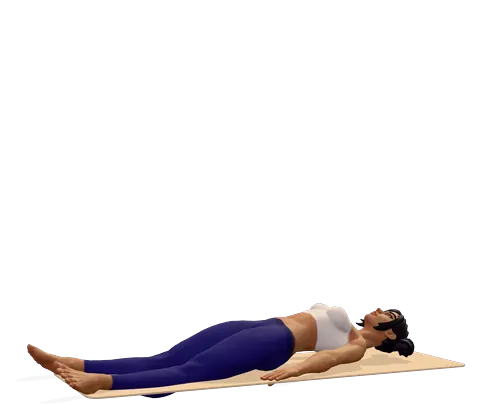 Corpse PoseSavasana
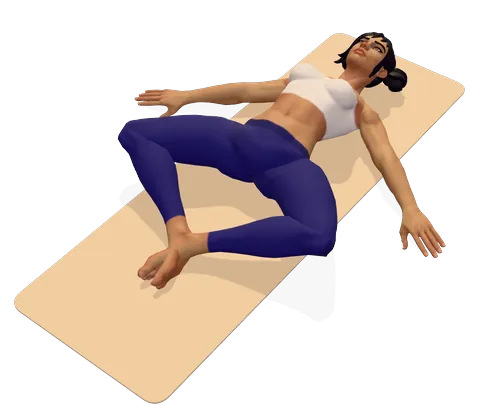 Reclining Bound Angle PoseSupta Baddha Konasana
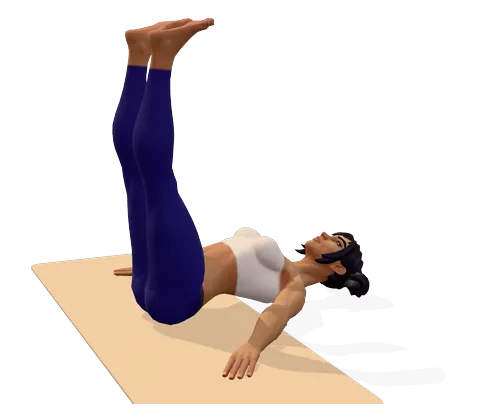 Legs-Up-the-Wall PoseViparita Karani
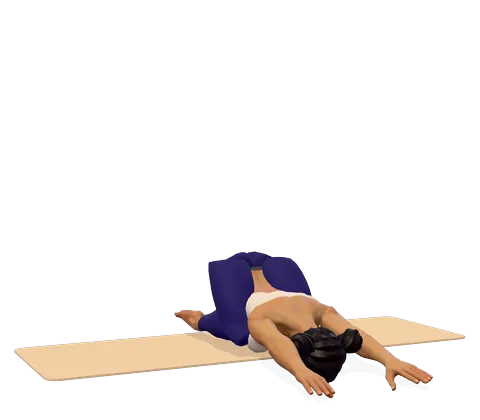 Child’s PoseBalasana
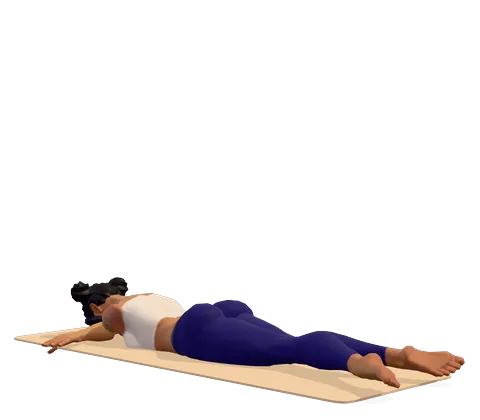 Crocodile PoseMakarasana
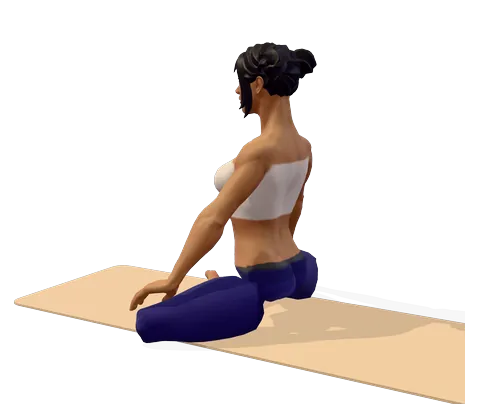 Easy PoseSukhasana
Frequently asked questions
What is Yoga Nidra and its benefits?
Yoga Nidra is a guided relaxation done lying down, often called yogic sleep. Small studies suggest it may reduce stress and anxiety and improve sleep quality.
How long should Yoga Nidra be?
Ten minutes is enough for a quick reset; 20–30 minutes gives a deeper rest. Traditional sessions can last up to an hour.
Is it OK to fall asleep during Yoga Nidra?
Yes. It is common, especially at night. If you want to stay aware, practise earlier in the day or with a slightly raised head.
Can I do Yoga Nidra every day?
Yes. A daily practice of 10–20 minutes is safe for most people and is how most of the benefits are reported.
Is Yoga Nidra safe in pregnancy?
Usually yes, and it is a gentle way to rest. Lie on your left side with pillows rather than flat on your back, and follow your doctor’s advice.
How does Yoga Nidra work?
The guided steps keep the mind lightly busy while the body relaxes, so you move towards sleep without fully losing awareness.