Hatha yoga is the classical, physical side of yoga: postures (asanas), breathing exercises (pranayama) and relaxation, practised at a steady pace with each pose held for several breaths. Almost every modern style, from Vinyasa to Iyengar, grew out of it, which is why a hatha class is often the best place to start. Below: the meaning, a typical class, honest benefits and a home routine with our 3D guide.
What is hatha yoga? (Hatha yoga kya hai)
In Sanskrit, hatha means "force" or "determined effort". It describes a yoga that works through the body and the breath rather than through study or devotion alone. A popular teaching splits the word into ha (sun) and tha (moon), so the hatha yoga meaning is often explained as a balance of active and calm energy.
Strictly, all physical yoga is hatha. On a class timetable, though, "Hatha" means a slower, non-flowing class of held postures, breathing and relaxation.
Hatha yoga history and the Hatha Yoga Pradipika
The best-known text is the Hatha Yoga Pradipika, written by the yogi Svatmarama and usually dated to the 15th century. It describes only 15 asanas; most of the book deals with breath control, cleansing practices (shatkarma), energy locks (bandhas), mudras and meditation.
Many standing poses taught now were shaped in the 20th century by teachers such as T. Krishnamacharya. Is hatha yoga spiritual or religious? Its roots are in Indian spiritual traditions, but most classes today are taught as a secular practice; how far you take the spiritual side is up to you.
What a hatha yoga class is like
A typical class lasts 60–75 minutes and follows a familiar arc:
- Settling (5 min): sitting quietly, sometimes with Anulom Vilom breathing.
- Warm-up (10 min): joint movements and a few rounds of Surya Namaskar.
- Standing poses and balances (20 min): Mountain, Triangle, Warrior II and Tree.
- Floor poses (15 min): backbends such as Cobra, seated forward bends and twists.
- Cool-down (5–10 min): lying in Savasana, sometimes followed by a short meditation.
Poses are usually held for 3–6 breaths (about 20–60 seconds). Props such as a block, strap or blanket are welcome.
Is hatha yoga hard or gentle?
Usually gentle to moderate: slower than Vinyasa and far less athletic than Ashtanga, though holding Warrior II for a minute still works your legs hard. Is hatha yoga hot yoga? No. It is practised at normal room temperature, although some studios run a heated "hot hatha" class.
Hatha yoga benefits for health
Most yoga research uses hatha-style classes. Reviews suggest regular practice can improve flexibility, balance and leg strength, ease chronic low back pain and lower stress. It may also help sleep and blood pressure when combined with normal medical care. It does not replace medicine.
- Body: better mobility in the hips, spine and shoulders, a stronger core and steadier balance.
- Mind: slow breathing with long exhales calms a busy mind. The mental benefits of hatha yoga include lower perceived stress in many trials, and it is used alongside treatment for anxiety and low mood.
- Energy: hatha yoga energy benefits are the ones people notice first: feeling both more alert and more relaxed.
The benefits for women and men are largely the same. Women may find it helpful for period discomfort and menopause symptoms; men often notice looser hips. A slow class burns fewer calories than brisk walking, so hatha yoga supports weight loss mainly through better sleep, stress control and habits. Claims that it will "detox" your body or clear your skin have no good evidence behind them.
Is hatha yoga good for beginners?
Yes. The steady pace lets you learn each pose properly and rest when you need to, so hatha yoga for beginners is the usual advice. It also suits kids, people returning after injury and anyone who finds fast classes stressful, and hatha yoga for seniors can use a chair or wall for balance poses.
Take extra care, or ask your doctor first, if you are pregnant or have uncontrolled high blood pressure, glaucoma, osteoporosis or a recent injury or surgery. Skip headstand, shoulder stand and strong breathing such as Kapalbhati unless a qualified teacher has cleared them for you.
A 25-minute hatha yoga sequence at home
This routine shows how to do hatha yoga step by step with only a mat. Hold each pose for about five slow breaths and do both sides of one-sided poses.
- Sit in Easy Pose and breathe slowly for two minutes.
- Stand in Mountain Pose, then do three slow rounds of Sun Salutation as a warm-up.
- Triangle Pose and Warrior II on each side.
- Tree Pose, one hand on a wall if you wobble.
- Cobra Pose three times, resting in Child's Pose after.
- Seated Forward Bend with soft knees, then Half Spinal Twist each side.
- Savasana for five minutes.
To do it with voice guidance and a 3D figure, open the First Yoga Session on the guided practice page, or rebuild this list in the session builder. Start with two or three sessions a week; once that feels easy, a short daily hatha yoga practice of 15–20 minutes works well.
Hatha vs vinyasa, yin and restorative yoga
| Style | Pace | Typical hold | Good for |
|---|---|---|---|
| Hatha | Steady, pauses between poses | 20–60 seconds | Learning poses, all levels |
| Vinyasa | Continuous flow, one breath per movement | 1–5 breaths | Fitness and a cardio feel |
| Yin | Very slow, muscles relaxed | 3–5 minutes | Deep flexibility, calm |
| Restorative | Very slow, fully supported | 5–20 minutes | Stress, recovery, illness |
Hatha yoga vs vinyasa: both use the same poses, but in Vinyasa you link them with the breath in a continuous flow, so it feels more like cardio. A "hatha flow" class mixes the two.
Hatha vs yin yoga: Yin holds relaxed floor poses for minutes to load deeper tissues, while hatha uses active muscles for shorter holds.
Is hatha yoga restorative? Not really. Restorative yoga supports every pose with bolsters and blankets so your muscles do almost no work, whereas hatha asks for steady effort.
हठ योग (Hatha Yoga) — हिंदी में: हठ योग योग की वह शाखा है जिसमें आसन, प्राणायाम और विश्राम से शरीर और मन को संतुलित किया जाता है। "ह" को सूर्य और "ठ" को चंद्रमा माना जाता है। हठ योग के फायदे: लचीलापन और ताकत बढ़ती है, संतुलन सुधरता है, तनाव कम होता है और नींद बेहतर हो सकती है। शुरुआत ताड़ासन, त्रिकोणासन, भुजंगासन और शवासन जैसे सरल आसनों से करें और हर आसन में 4–5 साँस रुकें।
Other types of yoga
Poses you will meet in Hatha Yoga
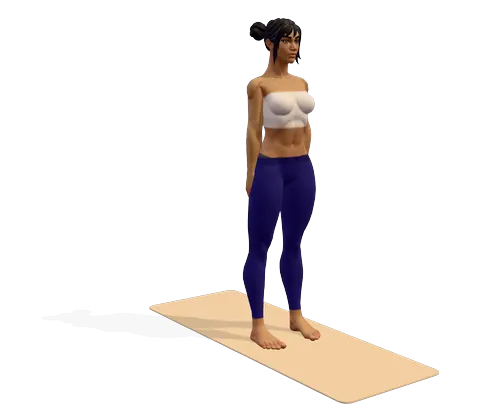 Mountain PoseTadasana
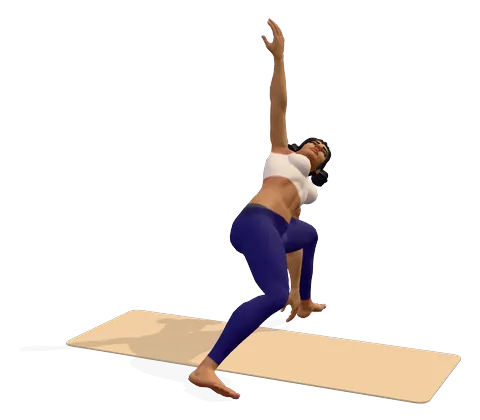 Triangle PoseTrikonasana
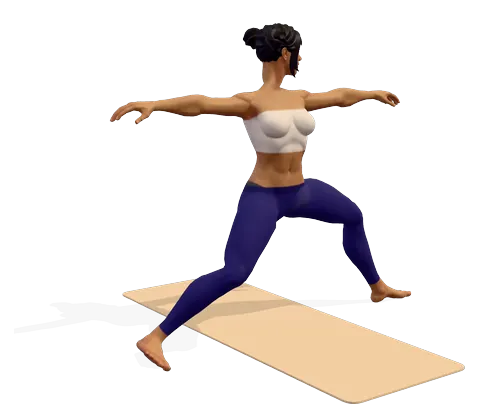 Warrior II PoseVirabhadrasana II
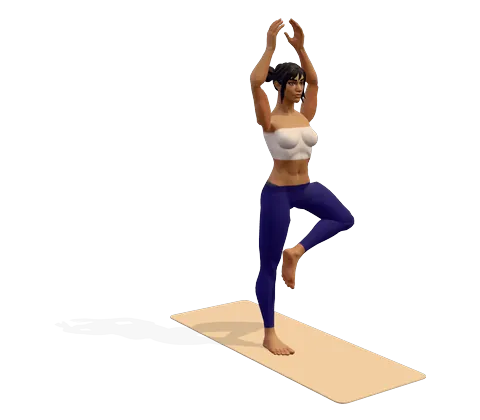 Tree PoseVrikshasana
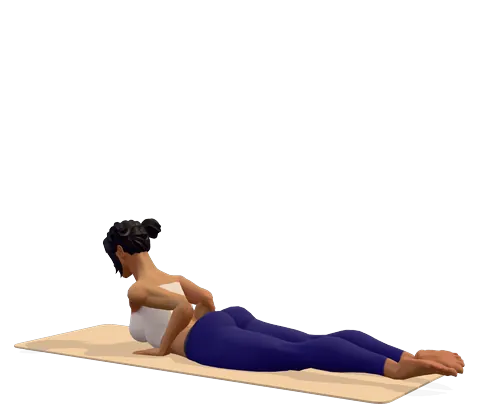 Cobra PoseBhujangasana
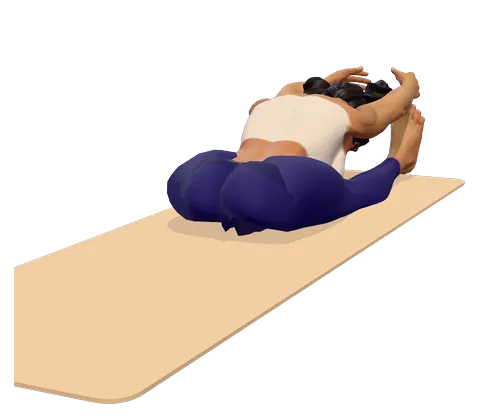 Seated Forward BendPaschimottanasana
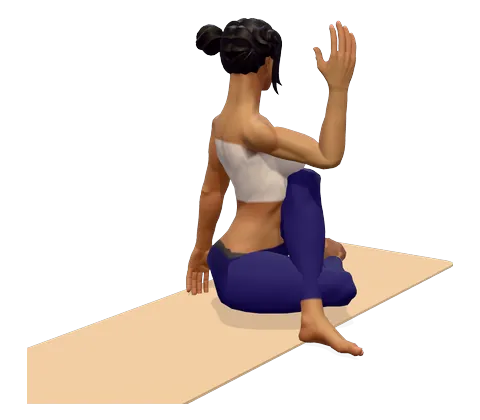 Half Lord of the Fishes PoseArdha Matsyendrasana
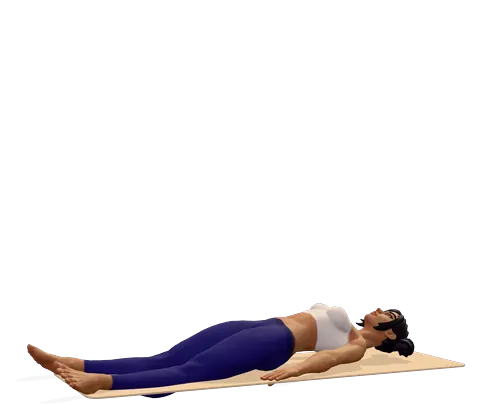 Corpse PoseSavasana
Frequently asked questions
What is hatha yoga and its benefits?
It is the physical practice of yoga: postures, breathing and relaxation at a steady pace. Regular practice can improve flexibility, strength and balance, ease back pain and lower stress.
Is hatha yoga good for beginners?
Yes. The slow pace, clear instructions and rests between poses make it the easiest style to learn. Start with two or three short sessions a week.
Is hatha yoga the same as vinyasa yoga?
No. Hatha holds each pose for several breaths with pauses in between. Vinyasa links the same poses into a continuous flow, one movement per breath, so it is faster and more aerobic.
Can hatha yoga help with weight loss?
A little. It burns fewer calories than brisk walking, but it builds strength, improves sleep and reduces stress eating. Combine it with a good diet and more active exercise for real weight change.
What is the Hatha Yoga Pradipika?
A 15th-century Sanskrit manual by Svatmarama and the classic text of this tradition. It covers 15 postures, breath control, cleansing practices, bandhas and mudras.
What are hatha yoga benefits in Hindi?
हठ योग से शरीर लचीला और मज़बूत होता है, संतुलन सुधरता है, तनाव कम होता है और नींद अच्छी हो सकती है।