Postnatal yoga is yoga adapted for the weeks and months after giving birth, and a good fit for your post pregnancy body. It focuses on breathing, reconnecting with the pelvic floor and deep abdominal muscles, easing the neck and back strain of feeding and carrying, and giving you a few minutes of real rest. It is gentle by design: your body has just done something huge, and tissues need time to heal before you add load.
Wait for your postnatal check. Most mothers have a check around 6–8 weeks after birth. Until your doctor or midwife clears you, stick to breathing, pelvic floor squeezes, walking and very gentle movement. Get advice if you have heavy bleeding, a painful or red wound, a dragging feeling in the vagina, leaking urine, or a bulge along the middle of your belly.
What is postnatal yoga?
The postnatal yoga meaning is "yoga after birth" (postpartum yoga means the same). Classes and courses, in person or online, usually start lying down or on hands and knees, then build towards standing poses over the weeks. Compared with a regular class there is more breathing work, more rest and far less core crunching, jumping or deep backbending.
When can you start? Normal delivery and C-section
Can I do yoga after a normal delivery?
Yes, gently. After an uncomplicated vaginal birth, most health services, including the UK’s NHS, suggest you can begin pelvic floor exercises, relaxed breathing and short walks as soon as you feel ready. Save fuller yoga exercises and poses after delivery for when you have had your postnatal check and bleeding has settled.
Postnatal yoga after a C-section
A caesarean is major abdominal surgery. Breathing, pelvic floor squeezes and walking are encouraged early, but wait until at least your postnatal check, often longer, before poses that load the belly or pull on the scar.
Pelvic floor and diastasis recti
Pregnancy stretches the pelvic floor and abdominal wall, and many women have diastasis recti, a widening of the gap between the two strips of the "six-pack" muscle. It often improves by itself in the first months, and the right exercise can help.
The connection breath
Lie on your back, knees bent. Breathe in and let your belly and pelvic floor relax. As you breathe out, gently lift the pelvic floor, as if stopping wind and urine, and draw your lower belly in towards your spine. Release fully on the next breath in. This is the foundation of every postnatal exercise, and pelvic floor training is one of the best-supported steps in postnatal recovery.
Quick self-check
Lying on your back, knees bent, lift your head slightly and feel along the midline above and below your belly button. A gap wider than about two finger-widths, or a ridge that domes up, is worth showing to a physiotherapist or your doctor. Until then, avoid crunches, sit-ups, full plank, boat pose and deep backbends.
Postnatal yoga benefits
Is yoga good for postpartum recovery, and is postnatal yoga beneficial? For most women, yes, as long as it is gentle and progressive. The main post natal yoga benefits, often called postpartum yoga benefits, are:
- Pelvic floor and core recovery when combined with specific pelvic floor exercises.
- Posture: the benefits of yoga for posture matter when you spend hours feeding and carrying. Chest-opening and upper-back work ease a rounded "feeding hunch".
- Mood: small studies suggest yoga may reduce symptoms of postpartum depression and anxiety. It is not a treatment on its own; if you feel low for more than two weeks, talk to your doctor. See yoga for depression.
Postnatal yoga poses: a gentle home routine
Once you have been cleared, try these postnatal yoga asanas and exercises for 10–15 minutes, three or four times a week. They are safe yoga poses for postpartum recovery and good exercises for postnatal women of any fitness level. Keep the connection breath going throughout.
- Connection breath lying on your back: 10 slow breaths.
- Pelvic tilts, then a low bridge pose, lifting only as high as you can without the belly doming.
- Cat and cow: keep the cow shape small so the belly does not sag.
- Child’s pose with knees wide, resting your forehead on your hands.
- Mountain pose with shoulders drawn back, to reset posture.
- Reclining bound angle pose with pillows under the knees, then rest.
Play similar poses with voice guidance in our guided sessions, or put your own list together in the session builder. Unlike a postnatal yoga video, the 3D guide lets you turn the figure to check the shape from any side.
Postnatal yoga and down dog
Downward dog is usually fine after your check, if your wrists are comfortable and your belly does not dome. Start with extended puppy pose and build up.
Postnatal yoga with baby
A mother-and-baby postnatal yoga class lets you practise with your baby on the mat, rocking or lifting them gently as part of the flow. The benefits of baby yoga for the baby itself are not well studied, so treat it as gentle play; always support the head and neck, and stop if your baby seems unsettled.
Prenatal vs postnatal yoga
Yoga for prenatal care and for postnatal care share the same calm pace, but the goals differ. The NHS advises telling any yoga teacher, pre and post natal, that you are pregnant or have recently had a baby, and choosing someone qualified to teach you.
| Prenatal (before birth) | Postnatal (after birth) | |
|---|---|---|
| Main goal | Comfort, sleep, back care, confidence for labour | Pelvic floor, core, posture, rest |
| Typical poses | Bound angle, cat-cow, supported squat, side-lying rest | Connection breath, pelvic tilts, low bridge, child’s pose |
| Avoid | Lying on the belly, deep twists, inversions, overheating | Crunches, full plank, deep backbends until cleared |
What is prenatal yoga? The prenatal yoga meaning is simply yoga before birth. Prenatal yoga in the first trimester is very gentle, and the 2nd trimester is when most beginners join. Prenatal yoga poses and benefits focus on less back pain and better sleep. For prenatal yoga for beginners at home, our free Gentle Prenatal Flow is a short sample of a prenatal yoga class sequence. Read the full guide to prenatal yoga.
Postnatal yoga meaning in Hindi — प्रसवोत्तर योग: डिलीवरी के बाद किया जाने वाला हल्का योग प्रसवोत्तर योग कहलाता है। पहले साँस के अभ्यास और पेल्विक फ्लोर (कीगल) व्यायाम करें। 6–8 हफ़्ते की जाँच और डॉक्टर की सलाह के बाद ही आसन बढ़ाएँ; सिज़ेरियन के बाद और ज़्यादा समय लग सकता है। Baby pose yoga in Hindi: बालासन (child’s pose) कमर को आराम देता है। पेट के क्रंच और गहरे पीछे झुकने वाले आसन शुरू में न करें।
Other types of yoga
Poses you will meet in Postnatal Yoga
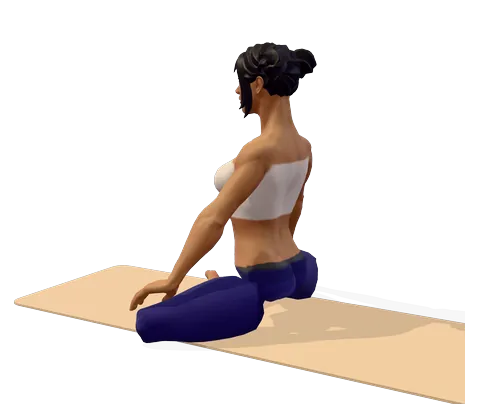 Easy PoseSukhasana
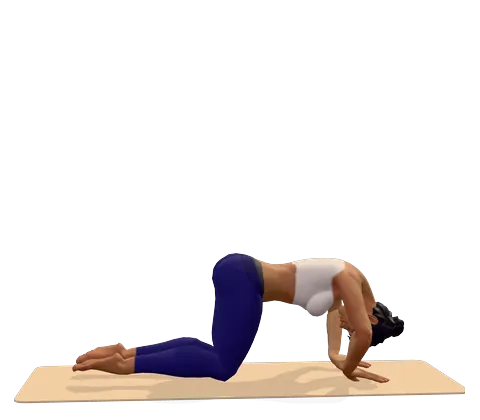 Cat PoseMarjaryasana
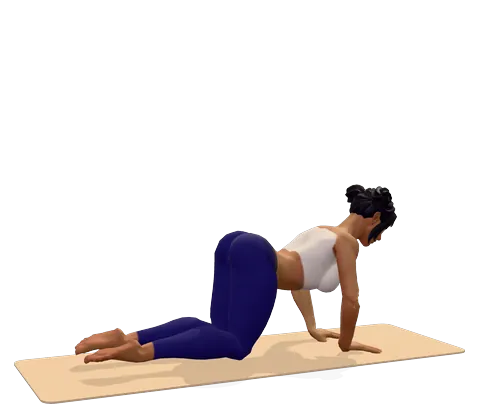 Cow PoseBitilasana
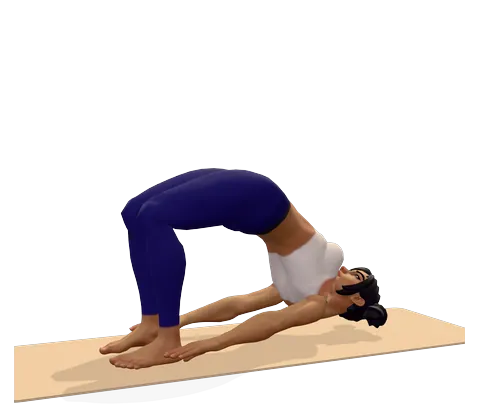 Bridge PoseSetu Bandhasana
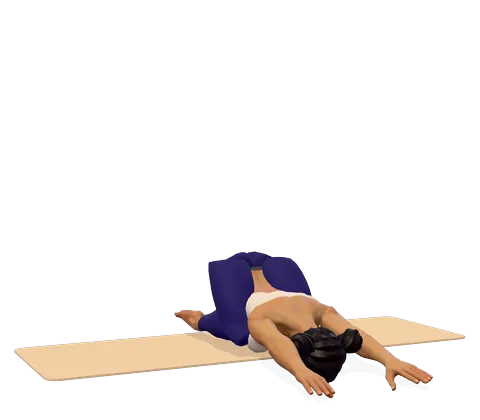 Child’s PoseBalasana
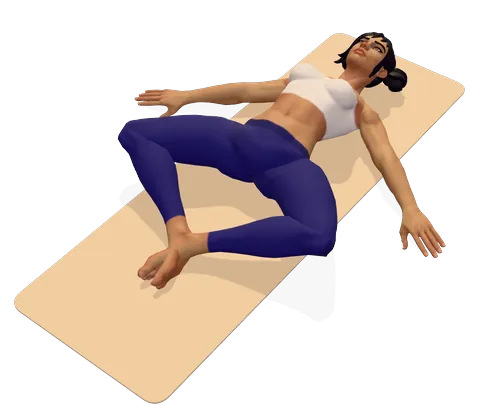 Reclining Bound Angle PoseSupta Baddha Konasana
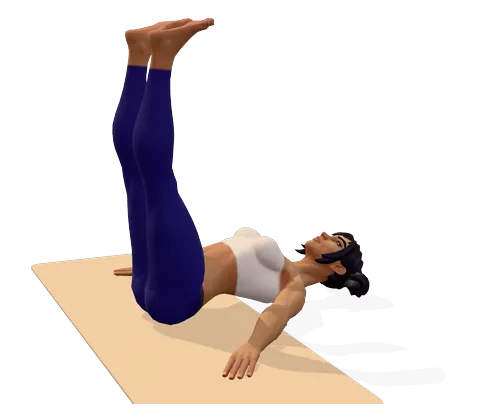 Legs-Up-the-Wall PoseViparita Karani
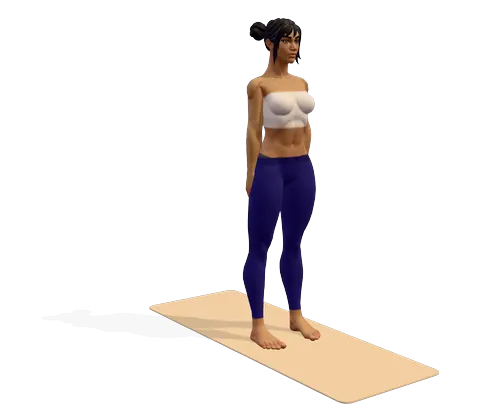 Mountain PoseTadasana
Frequently asked questions
When can I start postnatal yoga?
Breathing and pelvic floor exercises can usually start within days of an uncomplicated birth. Wait for your postnatal check, around 6–8 weeks, before a full practice, and longer after a C-section if your doctor advises.
Is yoga safe postpartum?
Yes, when it is gentle and you build up slowly. Avoid crunches, full planks and deep backbends until your core and pelvic floor have recovered.
What are the benefits of the child pose in yoga after birth?
Child’s pose gently stretches the lower back and hips and helps you rest. Keep the knees wide so the belly is not squashed.
Can yoga help with postpartum depression?
Small studies suggest it may ease symptoms alongside proper care. It does not replace talking to your doctor or any treatment you are offered.
How often should I do postnatal yoga?
Short sessions of 10–15 minutes, three or four times a week, are plenty at first. Consistency matters more than length.
Can I do yoga while breastfeeding?
Yes. Feed first so your breasts are more comfortable, drink water, and avoid lying on your front if it is uncomfortable.