Jivamukti Yoga is a vigorous, flowing style of yoga that treats the class as more than exercise. Alongside a physically demanding vinyasa sequence, a class usually includes chanting, a short talk on yoga philosophy, music, breathing, meditation and a deep relaxation. The idea is that moving, listening and chanting together can change how you think and act off the mat, not only how your body feels.
What is Jivamukti Yoga? Definition and origin
A simple definition: Jivamukti Yoga is a vinyasa-based method that combines physical practice with spiritual teachings, devotion and a strong ethic of non-harm. The name comes from the Sanskrit jivanmukti, "liberation while living".
Jivamukti Yoga was founded in 1984 in New York City (NYC) by two American teachers, Sharon Gannon and David Life, who had studied with several Indian teachers. Their studio, the Jivamukti Yoga Center, became well known in the 1990s, and the style spread to European cities such as London and Berlin, and to Australia and elsewhere.
It is a trademarked method: teachers who use the name complete Jivamukti Yoga training, and the organisation also runs retreats and online classes. The founders also wrote a book, Jivamukti Yoga (2002), that explains the method and its philosophy.
The five tenets
The style rests on five principles, which a good class touches on:
- Shastra (scripture): study of yoga texts such as the Yoga Sutras and the Bhagavad Gita.
- Bhakti (devotion): dedicating your practice to something larger than yourself.
- Ahimsa (non-harming): kindness to all beings, which the founders connect with a vegan diet and animal rights.
- Nada (sound): chanting, music and deep listening.
- Dhyana (meditation): sitting quietly and watching the mind.
This outlook is close to the old Sanskrit idea Vasudhaiva Kutumbakam, "the world is one family", and in 2023 the theme of International Yoga Day was "Yoga for Vasudhaiva Kutumbakam", a reminder that the benefits of yoga practised this way are meant to reach beyond yourself, towards how you treat others.
What a Jivamukti class looks like
An open class usually lasts 75–90 minutes and moves through these parts:
- Opening chant, often call-and-response in Sanskrit.
- A short talk on the monthly theme.
- Vinyasa flow: sun salutations, standing poses, backbends, forward bends, twists and often inversions, set to recorded music that can range from devotional songs to pop.
- Hands-on assists from the teacher (you can always say no).
- Breathing, meditation and final relaxation in Savasana.
The Jivamukti Yoga Focus of the Month
Each month a short essay sets a theme, such as non-violence, forgiveness or a verse from a yoga text. Teachers around the world weave this Jivamukti focus of the month into their talk, chants and music, so the same idea runs through every class that month.
The Spiritual Warrior sequence
The Jivamukti Yoga Spiritual Warrior class is a set, faster sequence of about an hour, designed for busy people who want a complete practice without a long talk. Because the order is fixed, it suits those who like to learn a routine and then deepen it.
Pace and difficulty
Expect a moderate-to-strong physical practice. The yoga Jivamukti style practice moves quickly, with many chaturanga transitions, and teachers often include headstand, shoulder stand or arm balances. Beginners are usually steered to basics classes first. If you are new, learn the key Jivamukti Yoga poses step by step: downward dog, plank, cobra, warrior I and II and triangle.
Jivamukti Yoga benefits
There is almost no research on this style specifically, so the honest answer is to look at what it contains. Studies of vinyasa-type yoga suggest regular practice may improve strength, flexibility and, when the pace is brisk, fitness. Chanting and meditation are linked in small studies with lower stress. People who enjoy it often say the music and community keep them coming back, which matters because regular practice is what brings benefits.
Who it suits, and who should be careful
It suits people who want a strong workout and are curious about philosophy, chanting and ethical living. It may not suit you if you prefer quiet, secular classes or slow holds; Hatha yoga may feel better. Skip inversions if you have high blood pressure, glaucoma, a neck problem or are pregnant, and tell the teacher about any injury before assists.
Jivamukti vs vinyasa and Ashtanga
All three link breath and movement. Plain vinyasa classes vary with the teacher and usually skip chanting and philosophy. Ashtanga follows the same fixed series every time. The Jivamukti Yoga sequence changes from class to class, but the theme, chanting and ethics are always there.
A Jivamukti-inspired flow at home
This 30-minute flow follows the shape of a class. Build it in the session builder so the 3D guide and voice take you through it.
- Sit in easy pose. Chant Om three times, or simply breathe slowly for a minute and set a theme for the day, such as kindness.
- Three to five rounds of sun salutation.
- Warrior I, warrior II and triangle on each side.
- Cobra or upward dog, then bridge.
- Seated forward bend and a gentle twist.
- Five minutes of Savasana, then two minutes of silent sitting.
Other types of yoga
Poses you will meet in Jivamukti Yoga
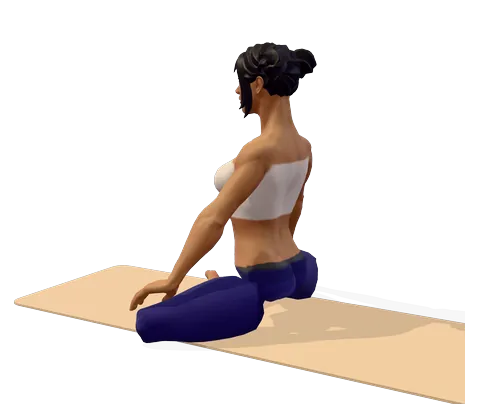 Easy PoseSukhasana
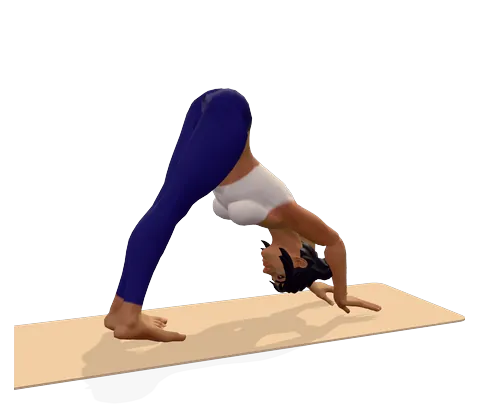 Downward-Facing Dog PoseAdho Mukha Svanasana
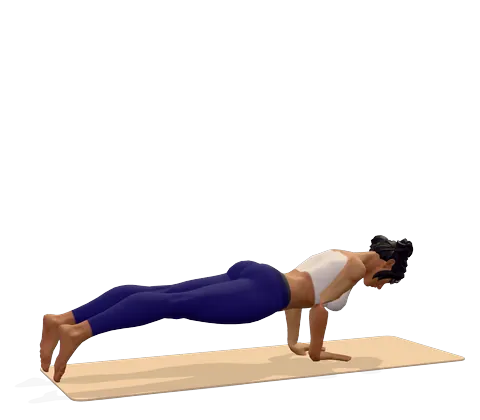 Four-Limbed Staff PoseChaturanga Dandasana
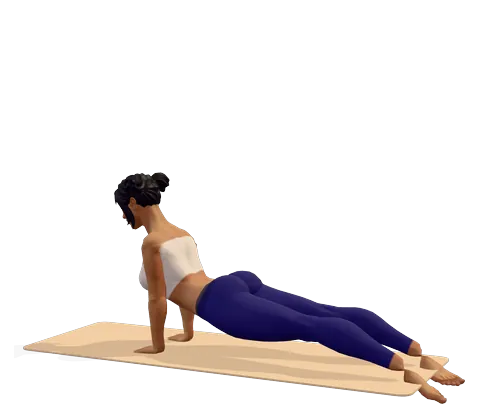 Upward-Facing Dog PoseUrdhva Mukha Svanasana
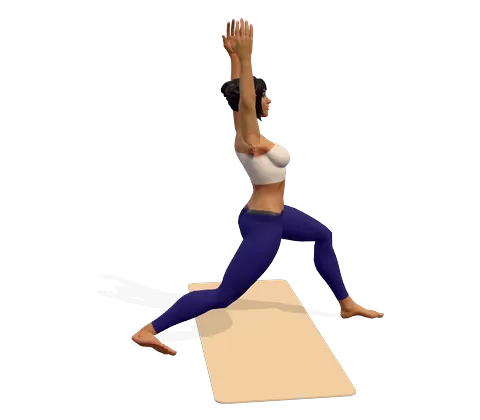 Warrior I PoseVirabhadrasana I
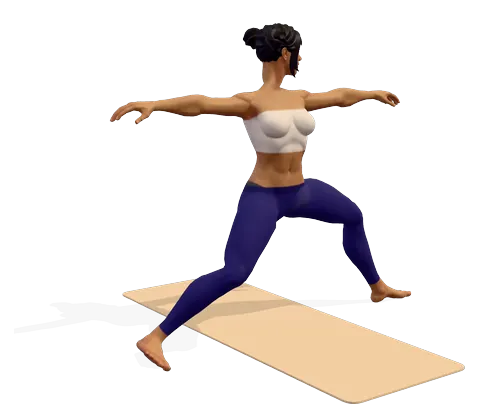 Warrior II PoseVirabhadrasana II
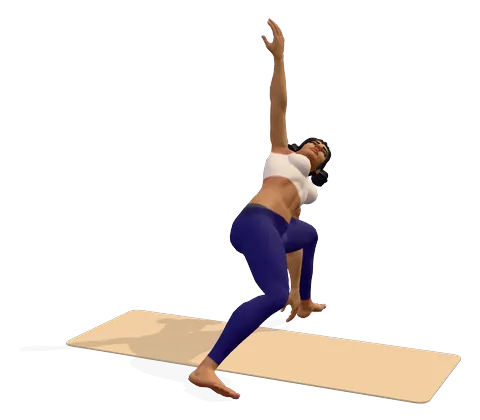 Triangle PoseTrikonasana
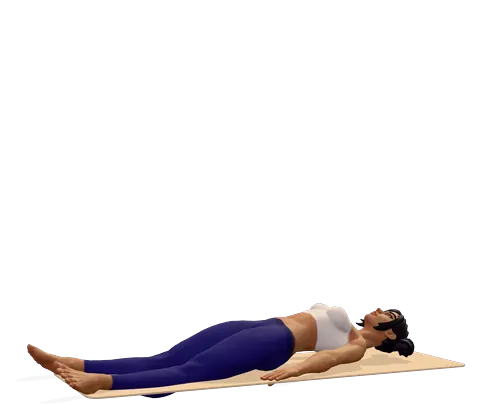 Corpse PoseSavasana
Frequently asked questions
What is Jivamukti Yoga?
Jivamukti Yoga is a vigorous vinyasa style founded in New York in 1984. It adds chanting, music, philosophy, meditation and an ethic of non-harm to the physical practice.
Is Jivamukti Yoga good for beginners?
It can be challenging. Beginners do best in a basics class first, or by learning the main poses slowly at home before joining an open class.
Do I have to be vegan to practise Jivamukti Yoga?
No. The founders encourage a vegan diet as part of non-harming, but no one checks what you eat. Take what feels right for you.
What is the Jivamukti Focus of the Month?
It is a monthly essay on one theme from yoga philosophy. Teachers build their talk, chants and music around it for that month.
How is Jivamukti different from Hatha yoga?
Hatha classes are usually slower with longer holds. Jivamukti flows faster and weaves in chanting, music and spiritual teaching.
Is there a set Jivamukti sequence?
Most classes change each time, but the Spiritual Warrior class uses a fixed sequence of about an hour.