Anusara Yoga is a modern, flowing style of Hatha yoga known for two things: precise alignment, taught through a small set of principles that apply to every pose, and a warm, positive philosophy centred on the heart. Classes are often upbeat and playful, with plenty of chest-opening poses and a theme that links what you do on the mat to everyday life.
What is Anusara Yoga? Meaning and definition
The Anusara Yoga meaning is usually given as "flowing with grace" or "following your heart", from the Sanskrit anusara. A short definition: Anusara Yoga is an alignment-based Hatha yoga method, taught in a flowing way, that uses a few universal principles in every pose and a philosophy of basic goodness.
The founder, John Friend, an American teacher who had trained in Iyengar yoga, launched Anusara Yoga in 1997. From Iyengar he kept the attention to detail and use of props; he added a lighter tone, a spiritual theme in each class and ideas from Tantric philosophy.
The Anusara Yoga principles of alignment
Teachers call these the Universal Principles of Alignment. You apply them in order, in every pose:
- Open to grace: soften, breathe, lengthen the spine and set a positive attitude before you move.
- Muscular energy: hug the muscles to the bones and draw energy from your hands and feet towards the centre of the body. This gives stability.
- Inner spiral: a gentle inward rotation of the thighs that widens the back of the pelvis.
- Outer spiral: a balancing action that draws the tailbone down and firms the outer hips.
- Organic energy: from a stable core, extend outwards through the limbs and crown of the head.
In practice this sounds like "hug in, then reach out". These principles make Anusara Yoga for beginners useful even if you never take a class, because the same cues work in almost any pose.
Anusara Yoga philosophy, mantra and chant
The philosophy draws on Tantric teachings that describe everyone as basically good and the world as something to celebrate rather than escape. Teachers often pick a "heart quality", such as courage or gratitude, as the class theme. Classes traditionally begin with the Anusara invocation, a Sanskrit mantra chanted three times that starts "Om Namah Shivaya Gurave", roughly "I bow to the auspicious teacher within". Chanting is optional; you can simply listen.
The Anusara Yoga controversy: what happened in 2012
By 2011 the style had grown quickly, with many licensed teachers worldwide. In early 2012 the founder faced public allegations about his personal conduct and the way the business was run. He stepped away, and many senior teachers left to teach under their own names. The teachers who stayed formed a teacher-led organisation, the Anusara School of Hatha Yoga, which still certifies teachers and runs classes and retreats. The method itself remains in use, though it is smaller than before.
What an Anusara class looks like
Most Anusara Yoga classes last 60–90 minutes: invocation and theme, then a warm-up. Anusara Yoga sequences then flow towards a "peak" pose, often a backbend or arm balance. Teachers use props, partner work and demonstrations to show one alignment point at a time. The pace is moderate, slower than a fast vinyasa class but more flowing than a classical hold-and-rest class. The class ends with a cool-down, forward bends and relaxation.
Anusara Yoga benefits
There are no large studies on this style alone. Its benefits can be judged from what it contains: regular Hatha-style practice is linked in studies with better flexibility, balance and strength and lower stress, and chest-opening poses can help counter a desk-bound slouch (see yoga for posture). As with all yoga asanas, their benefits come from regular practice, and the alignment principles may make poses feel more stable. The positive, heart-centred themes are why many people enjoy it, though that is a matter of taste rather than evidence.
Who it suits, and who should be careful
Which is the easiest yoga for beginners? Among the different types of yoga for beginners, Anusara is moderate: friendly and well explained, but backbends and arm balances can be demanding. It suits people who like clear alignment cues and an upbeat mood. Go gently with deep backbends if you have lower back pain, and skip strong wrist work if you have wrist pain. If you are pregnant, choose a prenatal yoga class instead.
Anusara Yoga vs vinyasa and Hatha
| Anusara | Vinyasa | Hatha | |
|---|---|---|---|
| Pace | Moderate flow with pauses to teach | Continuous, often brisk | Slow holds with rests |
| Alignment | Five set principles, very detailed | Varies with the teacher | Basic, pose by pose |
| Theme and chant | Heart theme and invocation | Usually none | Sometimes |
Anusara Yoga vs vinyasa: both flow, but Anusara stops more often to refine alignment. Anusara Yoga vs Hatha: Anusara is a kind of Hatha yoga, taught with more flow and a set of alignment rules. Read more on vinyasa yoga.
A heart-opening Anusara-style routine at home
This 25-minute Anusara Yoga routine uses simple yoga asanas for beginners and works as a yoga session for beginners. Use "hug in, then reach out" in every pose, and build it in the session builder so the 3D guide shows each shape:
- Kneel in Vajrasana or sit cross-legged; the benefits of this simple yoga sitting pose are an upright spine and easy breathing. Set a theme such as gratitude and take ten slow breaths.
- Downward dog: hug the arms in, then lengthen the spine.
- Extended puppy pose to open the chest.
- Warrior II and extended side angle on each side.
- Cobra, then bridge pose, as your gentle peak.
- Child’s pose, a lying twist and five minutes of rest.
When bridge feels easy and pain-free, you can try camel pose as a deeper peak.
Other types of yoga
Poses you will meet in Anusara Yoga
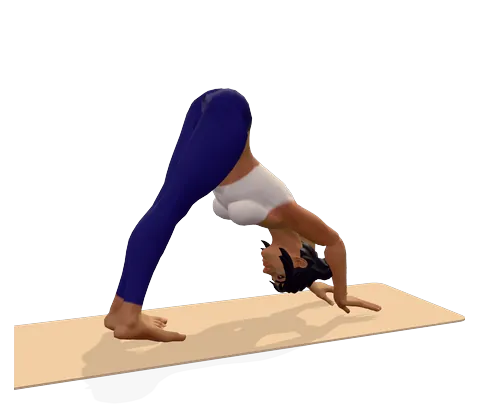 Downward-Facing Dog PoseAdho Mukha Svanasana
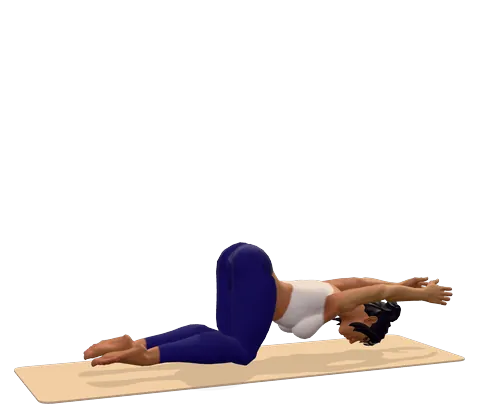 Extended Puppy PoseAnahatasana
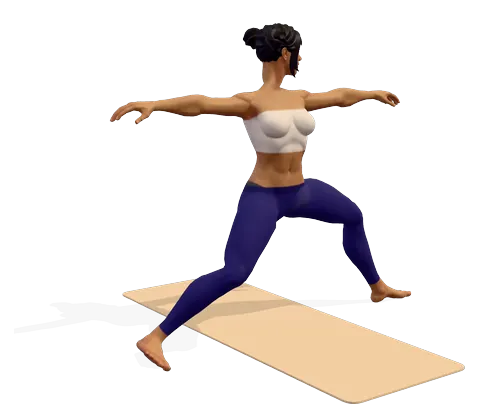 Warrior II PoseVirabhadrasana II
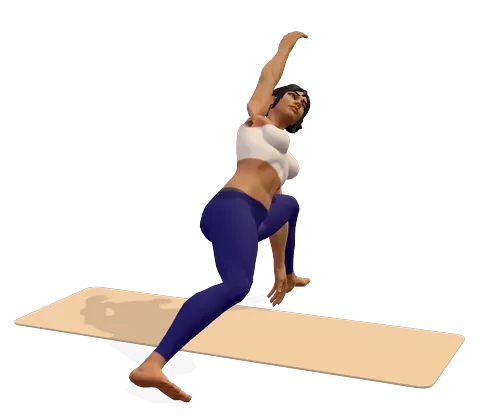 Extended Side Angle PoseUtthita Parsvakonasana
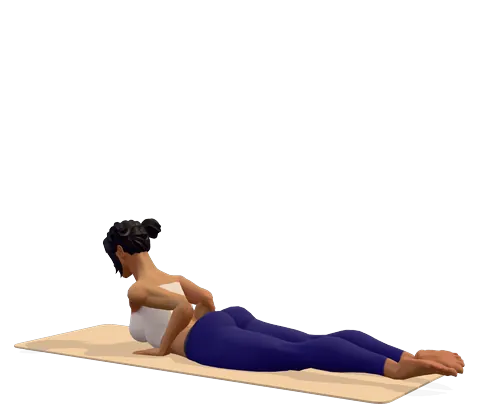 Cobra PoseBhujangasana
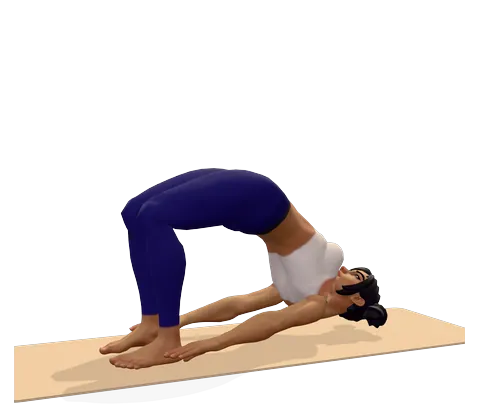 Bridge PoseSetu Bandhasana
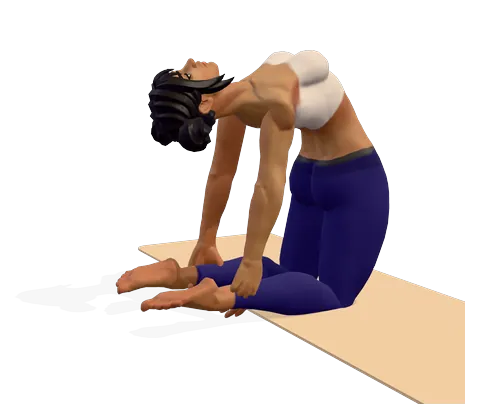 Camel PoseUstrasana
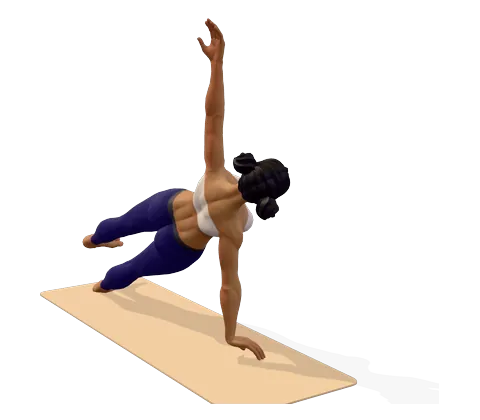 Side Plank PoseVasisthasana
Frequently asked questions
What is Anusara Yoga?
Anusara Yoga is a flowing, alignment-based form of Hatha yoga founded in 1997. It uses five universal principles of alignment and a positive, heart-centred philosophy.
Who founded Anusara Yoga?
John Friend, an American teacher trained in Iyengar yoga, founded it in 1997. Since 2012 it has been run by a teacher-led organisation.
Is Anusara Yoga good for beginners?
Yes, if you start with basic classes. The alignment cues are clear, but peak poses such as deep backbends need a gradual build-up.
What are the five principles of Anusara Yoga?
Open to grace, muscular energy, inner spiral, outer spiral and organic energy.
Is Anusara Yoga spiritual?
It has a spiritual side, with an opening chant and a heart-based theme, but you can take part without any particular belief.
How is Anusara different from Iyengar yoga?
Both focus on alignment and use props. Anusara flows more, feels lighter in tone and adds a theme and chant to each class.