Yin yoga is a slow, quiet style in which you hold mostly seated and lying poses for three to five minutes, sometimes longer, with your muscles as relaxed as possible. Instead of building heat and strength, yin yoga applies a gentle, steady stretch and gives you time to breathe and notice. A whole class may use only eight or ten poses.
Yin yoga meaning and how it works
The name comes from the Chinese idea of yin and yang. Yang describes what is active, warm and moving — like muscles in a flowing class. Yin describes what is still, cool and deep — like the connective tissue around joints. So the yin yoga meaning is simple: a passive, still practice that balances the "yang" yoga most of us already do. That is also what people mean by yin yang yoga, a class that pairs both halves.
Three yin yoga principles guide every pose: come into the shape only until you feel a moderate stretch (your "edge"), stay as still as you can, and hold for time. The long, low-intensity load is thought to reach fascia, ligaments and joint capsules as well as muscle.
Where yin yoga comes from
Long floor holds appear in Taoist and older hatha traditions, but yin as a named style took shape in North America in the 1980s and 1990s. The American teacher Paulie Zink taught long-held postures drawn from martial arts and Taoist yoga; his student Paul Grilley developed them, and Grilley's student Sarah Powers helped name and spread the practice.
What a yin yoga class is like
A class usually lasts 60–75 minutes in a dim, quiet room. The teacher offers props — bolsters, blocks, blankets — and talks you into each pose, then leaves long silences, sometimes with a short reading or guided meditation. You rest for a minute between poses, often lying on your back. The pace is very slow, but is yin yoga easy? Not always: staying still in a strong hip stretch for five minutes is a real mental challenge.
Yin yoga benefits: what the science says
Research on yin yoga is still small, so read these benefits as promising rather than proven.
- Flexibility: long holds improve range of motion in the hips, hamstrings and spine, which is why yin yoga benefits for athletes and runners are often mentioned.
- Stress and anxiety: the best-studied yin yoga benefits are for stress and anxiety: a few small trials combining it with mindfulness found lower scores. Slow breathing in stillness can calm the nervous system — see yoga for anxiety.
- Sleep: an evening or bedtime yin yoga practice can help you wind down; pair it with our yoga for sleep plan.
- Fascia and joints: the idea that yin yoga benefits fascia and joints makes sense, but direct evidence in people is limited.
The emotional benefits of yin yoga are common too: stillness lets feelings surface and settle. Yin yoga benefits for men and women are the same. Yin burns very few calories, so it is not a weight-loss workout, and there is no good evidence that it improves skin.
Best yin yoga poses for beginners
Yin uses its own names for many familiar poses. Here are the yin yoga postures you will meet most often:
| Yin name | Similar pose | Main area |
|---|---|---|
| Butterfly | Bound Angle Pose, spine rounded | Inner thighs, lower back |
| Caterpillar | Seated Forward Bend, relaxed | Hamstrings, back |
| Sphinx and Seal | Sphinx Pose | Lower back (gentle backbend) |
| Dragon | Low Lunge | Hip flexors |
| Swan / Sleeping Swan | Pigeon Pose | Outer hips |
| Dragonfly | Wide-Angle Seated Forward Bend | Inner legs |
| Reclined twist | Supine Spinal Twist | Spine, chest |
Is yin yoga safe? Side effects and who should take care
Is yin yoga good for you? For most people, yes, if you stay at a moderate stretch and never push into pain. Common yin yoga side effects are pins and needles from a pressed nerve, stiffness when you come out, and light-headedness if you stand up fast. Come out slowly and move gently between poses.
Take extra care with hypermobile joints, pregnancy (the hormone relaxin loosens ligaments, so do not overstretch), osteoporosis (avoid deep rounded forward folds), recent injury, and sciatica or lower back pain that worsens in forward bends. Yin yoga for seniors with stiff knees or hips can use a chair. Ask your doctor if unsure.
A 30-minute yin yoga sequence for beginners at home
This evening yin yoga sequence for beginners needs a cushion or two; with no props, use folded blankets or pillows. Set a timer, breathe slowly and rest for a few breaths between poses.
- Butterfly — 4 minutes, head resting on your hands or a cushion.
- Sphinx — 3 minutes, then Child's Pose for 1 minute.
- Dragon — 3 minutes each side, back knee on a blanket.
- Caterpillar with bent knees — 3 minutes.
- Reclined spinal twist — 2 minutes each side.
- Savasana — 5 minutes.
For a guided version, try the Bedtime Yoga for Sleep session on the guided practice page with the hold time set to longer, or build this list in the session builder. Two or three sessions a week is plenty; a short daily yin yoga home practice before bed works well too.
Yin yoga vs restorative, vinyasa and hatha
Yin yoga versus restorative yoga: both are slow, but yin places a gentle stretch on the tissues, while restorative yoga supports the body so fully that you feel almost no stretch at all. So is yin restorative? No — it is quiet, but it asks for more.
Yin vs vinyasa: Vinyasa is active, warm and quick; yin is passive and still. Many people enjoy one of each per week. Yin vs hatha: hatha holds active poses for under a minute. Is yin similar to Iyengar? Both hold poses and use props, but Iyengar asks for active, precise alignment.
यिन योग (Yin Yoga) — हिंदी में: यिन योग क्या है? इसमें ज़मीन पर बैठकर या लेटकर किए जाने वाले आसन 3 से 5 मिनट तक, मांसपेशियों को ढीला छोड़कर, किए जाते हैं। "यिन" का अर्थ है शांत और स्थिर। इसके फायदे: कूल्हे और कमर में लचीलापन बढ़ता है, तनाव कम होता है और रात को नींद अच्छी आ सकती है। दर्द होने तक कभी न खींचें और धीरे-धीरे आसन से बाहर आएँ।
Other types of yoga
Poses you will meet in Yin Yoga
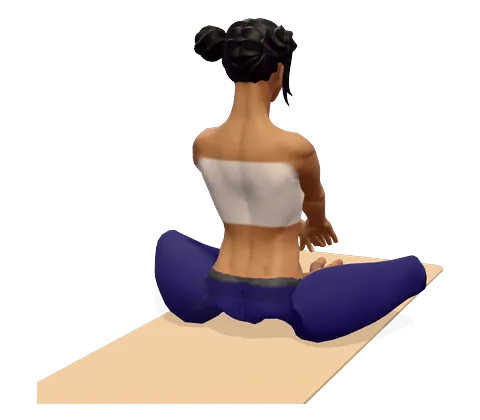 Bound Angle PoseBaddha Konasana
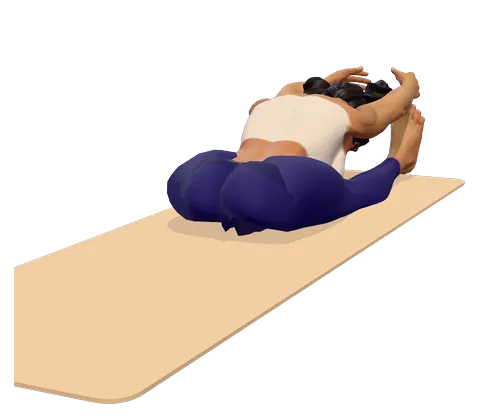 Seated Forward BendPaschimottanasana
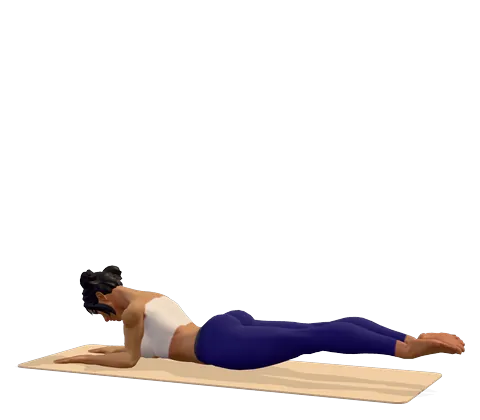 Sphinx PoseSalamba Bhujangasana
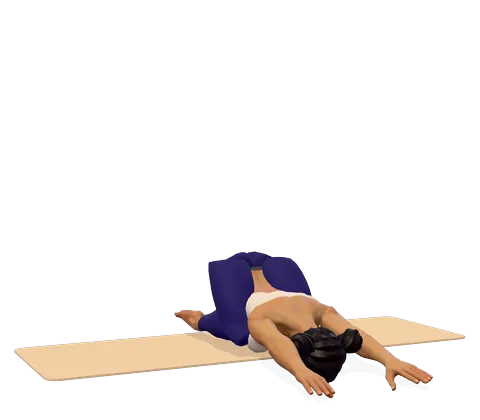 Child’s PoseBalasana
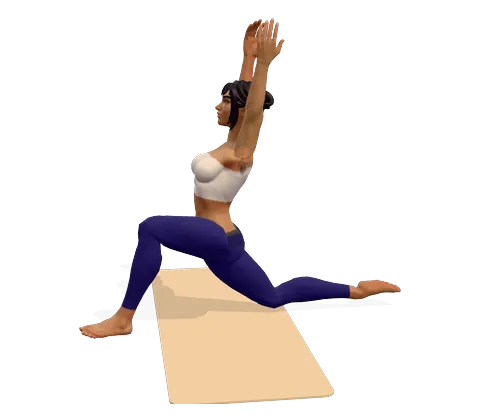 Low Lunge PoseAnjaneyasana
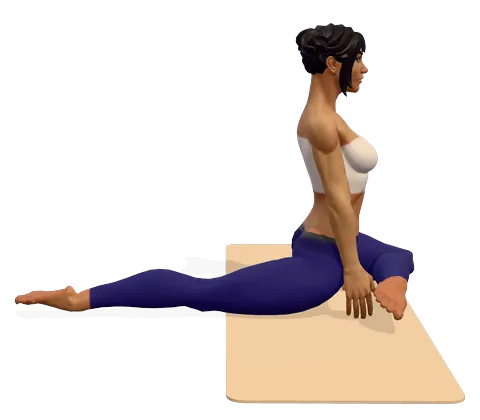 Pigeon PoseEka Pada Rajakapotasana
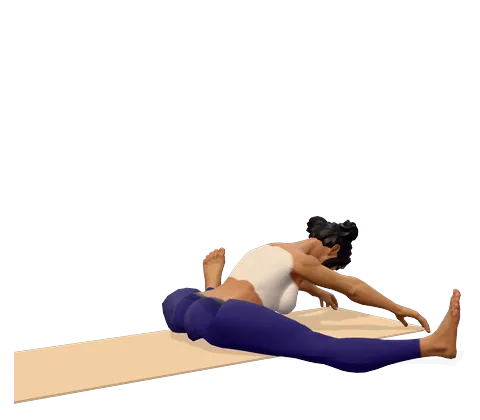 Wide-Angle Seated Forward BendUpavistha Konasana
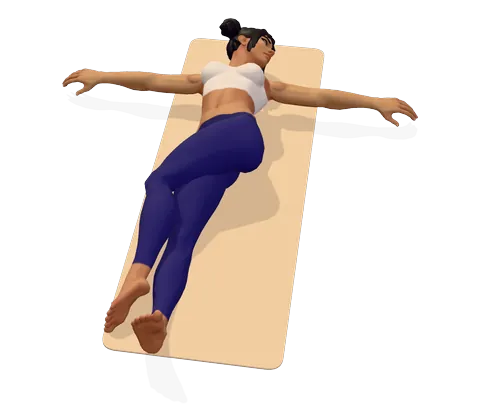 Supine Spinal TwistSupta Matsyendrasana
Frequently asked questions
What is yin yoga good for?
Mainly flexibility in the hips, hamstrings and spine, calming the mind and winding down before sleep. It balances strong, active training.
Is yin yoga good for beginners?
Yes. There are few poses, no fast transitions and plenty of props. The challenge is staying still, not strength.
How long do you hold yin yoga poses?
Usually three to five minutes. Beginners can start with one to two minutes and build up.
What is the difference between yin and restorative yoga?
Yin applies a gentle stretch to connective tissue; restorative supports the body so fully that it simply rests.
Is yin yoga dangerous?
Not when done gently. Problems come from forcing a deep stretch, staying in a pose with numbness or tingling, or overstretching loose joints.
Can I do yin yoga every day?
Yes, a short daily session is fine if you vary the poses and stay well away from pain.
What are yin yoga benefits in Hindi?
यिन योग से लचीलापन बढ़ता है, तनाव कम होता है और नींद बेहतर हो सकती है।