Hot yoga is any yoga class practised in a heated room. The heat makes you sweat heavily, feel looser and work harder with every pose. It can be a satisfying workout, but the heat brings real risks.
What is hot yoga? Meaning and temperature
The hot yoga meaning is simple: yoga plus heat. How hot is hot yoga? It depends on the class:
| Type of class | Typical room temperature | Length |
|---|---|---|
| 26-posture sequence (often called Bikram) | About 40 °C (105 °F), 40% humidity | 90 minutes |
| Hot flow or hot vinyasa | About 30–38 °C (86–100 °F) | 60 minutes |
| Warm yoga | About 27–30 °C (80–86 °F) | 45–75 minutes |
Some studios use infrared panels that warm your body directly rather than the air. Claims that infrared hot yoga has extra benefits are not backed by good evidence.
The 26-posture sequence was popularised in the United States in the 1970s by Bikram Choudhury. He later faced several lawsuits alleging sexual assault and harassment and left the country, and many studios now teach the sequence under other names.
What a hot yoga class is like
Expect to sweat from the first minutes. In the 26-posture format, two breathing exercises frame a set series of standing poses — such as Chair Pose (called Awkward Pose), Eagle Pose, Standing Bow and Triangle — followed by floor poses such as Cobra, Locust, Camel and Rabbit. Each pose is usually done twice. A hot flow class is a Vinyasa yoga class in a heated room, with music and faster movement. Hot flow yoga benefits are much the same as Vinyasa's, with more sweat.
Hot yoga benefits vs regular yoga: what the research says
Most research on hot yoga health benefits is small, so treat these results with caution.
- Heart and blood vessels: in one small trial, middle-aged adults who practised the 26-pose sequence improved blood-vessel function whether the room was heated or not — suggesting the yoga, not the heat, did most of the work.
- Flexibility: warm muscles stretch more easily, so poses feel deeper. That also makes it easier to overstretch.
- Mental health: early trials of hot yoga for depression are promising but small; it can support, not replace, treatment. See yoga for depression.
- Fitness: your heart rate climbs higher in the heat, so it feels like a hard workout. Is hot yoga cardio? Partly, but much of the higher heart rate is your body cooling itself rather than extra training effect.
Hot yoga calories burned and weight loss
In 1 hour of hot yoga, the calories burned are somewhat higher than in the same class at room temperature. Estimate yours with the yoga calories calculator. The weight you "lose" in one class is mostly sweat, which returns when you drink. Hot yoga benefits for weight loss, for women and men alike, depend on regular exercise and diet more than on the thermostat.
Hot yoga detox benefits are a myth: sweat is mostly water and salt, and your liver and kidneys handle detox. There is no good evidence of hot yoga benefits for skin either, and sweaty clothes can cause breakouts, so shower soon after.
Is hot yoga safe? Risks and side effects
For healthy adults who drink enough water and take breaks, a heated class is usually safe. The main side effects are dehydration, dizziness, headache, nausea, muscle cramps and, rarely, heat exhaustion or heat stroke. Many people ask why they have a tummy ache after hot yoga: eating too close to class, gulping cold water and heavy fluid loss are the usual causes.
Do not do hot yoga if you are pregnant — overheating is a risk to the baby, especially early in pregnancy. Avoid hot yoga, or ask your doctor first, if you have heart disease, high or low blood pressure or take blood-pressure medicine, diabetes, kidney disease, multiple sclerosis, lupus (heat can trigger flares), epilepsy, a history of heat stroke, or vertigo and inner-ear problems, which heat and fast head movements can worsen.
Leave the room at once if you feel faint, confused, sick, get a pounding headache or stop sweating, and cool down with water.
Hot yoga for beginners: tips for your first classes
- Hot yoga water intake: drink through the day before class, sip during it and rehydrate after. Add electrolytes to replace salt after a 90-minute hot yoga class.
- Eat lightly two to three hours before, not right before.
- Bring a towel for your mat and a large bottle; choose a spot near the door.
- Hot yoga for seniors: many older adults tolerate heat less well and do better in a warm, not hot, class.
- Lie down whenever you need to — resting in the room is part of acclimatising.
- If you are new to yoga, learn the basics at home first with our yoga for beginners guide.
How many times a week should you do hot yoga? Two or three sessions is plenty for most people. A "30-day challenge" of daily classes is popular, but build up slowly and take rest days if you feel drained.
A 25-minute sequence at home (without the heat)
Do not try to heat a room at home with space heaters; it is hard to control and unsafe. Practise in a normal, comfortably warm room instead. This Bikram-style hot yoga sequence for beginners borrows poses from the 26-posture series. Hold each for about five breaths and repeat once.
- Standing deep breathing, then a side stretch with arms overhead — 2 minutes.
- Chair Pose, then Eagle Pose on each side.
- Standing Bow (Dancer Pose) with a hand on the wall, then Triangle on each side.
- Tree Pose on each side.
- Savasana — 1 minute. Then Cobra, Locust and Camel, resting between each.
- Rabbit (Hare Pose), then Seated Forward Bend.
- Savasana — 5 minutes.
Build this list in the session builder for voice guidance and a 3D figure, or pick a session on the guided practice page.
Hot yoga vs regular yoga and hot Pilates
Is hot yoga better than standard yoga? Not clearly. Both offer similar benefits for strength, flexibility and mood, so the hot yoga benefits and disadvantages come down to heat: more sweat and intensity, plus more risk.
Hot yoga vs hot Pilates: Pilates is a separate method focused on slow, controlled core work, and in a heated room it carries the same heat risks.
हॉट योग (Hot Yoga) — हिंदी में: हॉट योग का मतलब है गर्म कमरे (लगभग 30–40 °C) में योग करना। बिक्रम योग इसका एक रूप है जिसमें 26 आसन तय क्रम में किए जाते हैं। इसमें पसीना बहुत आता है, इसलिए खूब पानी पिएँ। गर्भावस्था, हृदय रोग, ब्लड प्रेशर या चक्कर (वर्टिगो) की समस्या हो तो हॉट योग न करें। सामान्य कमरे में किया गया योग भी लगभग वही फायदे देता है।
Other types of yoga
Poses you will meet in Hot Yoga
 Chair PoseUtkatasana
 Eagle PoseGarudasana
 Dancer PoseNatarajasana
 Triangle PoseTrikonasana
 Cobra PoseBhujangasana
 Locust PoseSalabhasana
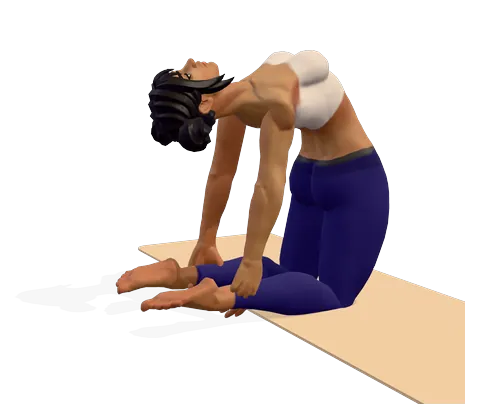 Camel PoseUstrasana
 Hare PoseShashankasana
Frequently asked questions
Is hot yoga good for you?
For healthy adults who hydrate and rest when needed, it can build strength and flexibility and lift mood, though the heat itself adds little over regular yoga.
What temperature is hot yoga?
Usually 27–38 °C (80–100 °F) for warm and hot flow classes, and about 40 °C (105 °F) with 40% humidity for the 26-posture sequence.
Is hot yoga dangerous?
It can be for people who are pregnant, dehydrated or have heart disease, blood pressure problems or heat sensitivity. Leave the room if you feel dizzy, sick or confused.
Does hot yoga help you lose weight?
Slightly more calories are burned, but most of the weight lost in class is water. Long-term weight loss depends on regular exercise and diet.
How much water should I drink for hot yoga?
Start well hydrated, sip from a large bottle during class and drink again afterwards, adding electrolytes after long classes.
Can I do hot yoga while pregnant?
No. Overheating can harm the baby. Choose a room-temperature prenatal class instead.