Kundalini yoga is a style that combines repetitive movements, strong breathing, chanting (mantra), hand gestures (mudras) and meditation into set routines called kriyas. It feels very different from a pose-by-pose class: you might pump your spine back and forth for three minutes, hold your arms up while breathing fast, then sit in silence.
What is kundalini yoga? (Kundalini yoga kya hai)
In Sanskrit, kundalini means "coiled one". Kundalini yoga philosophy, drawn from tantric and hatha texts, describes it as a dormant energy pictured as a serpent at the base of the spine, which yoga practice is said to awaken and draw up through the chakras toward the crown of the head. So the kundalini yoga meaning, and its simplest definition, is "the yoga of awakening this energy".
Is kundalini real? It is a spiritual idea, not something anatomy can measure. What you can reliably feel are the effects of breath, movement and focus: warmth, tingling, alertness or deep calm. You do not need to accept the philosophy to try the practice.
Kundalini yoga founder and controversy
The style taught worldwide today was brought to North America in 1968 by Yogi Bhajan (Harbhajan Singh Puri), who presented it as a once-secret teaching. Historians note that he blended older hatha and tantric ideas with Sikh practices and his own methods. After his death in 2004, former students accused him of sexual abuse and coercion, and an independent investigation in 2020 found many of those accounts credible. Many teachers have since separated the practice from his legacy.
Is kundalini yoga a cult? The exercises themselves are not. As with any group, notice whether it respects your freedom, money and consent, and walk away if it does not.
What a kundalini yoga class is like
- Tuning in: a short opening mantra, chanted three times with palms together.
- Warm-up: kundalini yoga warm-up exercises include spinal flexes, cat–cow, twists and neck rolls.
- The kriya: a fixed set of exercises done for set times — for example frog pose squats, stretch pose on your back, or sat kriya, a seated arm-raise with a chanted mantra.
- Relaxation: several minutes lying in Savasana.
- Meditation: kundalini yoga mantras and mudras (hand positions) are used in a seated meditation of 3 to 31 minutes.
The signature kundalini yoga pranayama is breath of fire: fast, even breaths in and out through the nose, driven by the navel. It is similar to Kapalbhati but with equal inhales and exhales. Is kundalini yoga hard? The postures are simple, but repeating one movement for minutes, or holding your arms up, takes real stamina.
Kundalini yoga benefits: what research shows
Kundalini yoga health benefits have been studied less than other styles, so read these with care.
- Anxiety: a 2021 randomised trial in adults with generalised anxiety disorder found a 12-week kundalini yoga programme helped more than stress education, but cognitive behavioural therapy did better overall and remains the first choice. See yoga for anxiety.
- Mind, mood and sleep: small studies suggest the benefits of kundalini yoga for the mind include lower stress and better sleep and mood, including around menopause. Kundalini yoga for depression can support treatment; it does not replace it.
- Energy and the nervous system: breath of fire is stimulating, while long, slow breathing calms the body, so many people feel both alert and relaxed afterwards. Kundalini yoga mantra benefits may partly come from the long exhales that chanting creates. Claims about the vagus nerve are plausible but not well tested.
Kundalini yoga benefits for men and women are the same. Kundalini yoga detox benefits and chakra cleansing are spiritual claims, not proven health effects.
Is kundalini yoga dangerous? Side effects and safety
Kundalini yoga benefits and dangers both come from intensity; for most people a gentle class is safe. Fast breathing can cause dizziness or tingling from over-breathing; long arm holds strain the shoulders; repeated squats strain the knees.
Skip breath of fire and fast breathing if you are pregnant, or have high blood pressure, heart disease, epilepsy, glaucoma, a hernia or recent abdominal surgery. Intense, long practice has also been linked in case reports with overwhelming experiences such as panic, insomnia or feeling unreal — sometimes called "kundalini syndrome". If you have a history of psychosis, bipolar disorder, severe trauma or seizures, talk to your doctor first and keep practice gentle. If you feel panicky, open your eyes, breathe normally and stop.
Kundalini yoga for beginners at home: a 20-minute practice
This is a simple kundalini yoga kriya for beginners. It shows how to practice kundalini yoga safely. Breathe long and deep through the nose throughout; beginners can leave out breath of fire entirely.
- Sit in Easy Pose, palms together, and tune in with three long breaths or a simple chant — 1 minute.
- Seated spinal flex: hold your shins, arch forward as you breathe in, round back as you breathe out — 2 minutes.
- Cat–cow on hands and knees — 1 minute.
- Seated forward bend ("life nerve stretch") — 2 minutes.
- Stretch pose: lie on your back, lift your head and feet about 15 cm, like Raised Leg Pose — 30 seconds, knees bent if needed.
- Rock pose (Vajrasana), sitting on your heels — 1 minute.
- Savasana — 5 minutes.
- Kundalini meditation for beginners: sit in Gyan Mudra, silently repeating "Sat" on each inhale and "Nam" on each exhale — 5 minutes.
Time the meditation with the meditation timer, or add these kundalini yoga poses for beginners to the session builder. What is the best time? Tradition favours early morning before sunrise, and a short kundalini yoga morning practice suits most people, but any time on an empty stomach works.
Kundalini vs hatha yoga
In hatha yoga you hold poses and refine alignment. In kundalini, the shapes are simple and the focus is on repetition, breath, sound and meditation. Choose kundalini yoga if you want a strongly meditative, energising practice; choose Hatha yoga if you want to learn classic poses step by step. Kundalini yoga for seniors works well seated, without fast breathing.
Kundalini yoga meaning and benefits in Hindi:
कुंडलिनी योग (Kundalini Yoga) — हिंदी में: कुंडलिनी का अर्थ है "कुंडली मारकर बैठी शक्ति", जिसे रीढ़ के निचले भाग में सोई हुई ऊर्जा माना जाता है। कुंडलिनी योग में दोहराई जाने वाली क्रियाएँ, तेज़ साँस (ब्रेथ ऑफ़ फ़ायर), मंत्र, मुद्रा और ध्यान होते हैं। इसके फायदे: तनाव कम हो सकता है, मन शांत और ऊर्जावान महसूस होता है। गर्भावस्था, हाई ब्लड प्रेशर, हृदय रोग या मिर्गी में तेज़ साँस वाले अभ्यास न करें, और मानसिक बीमारी का इतिहास हो तो पहले डॉक्टर से पूछें।
Other types of yoga
Poses you will meet in Kundalini Yoga
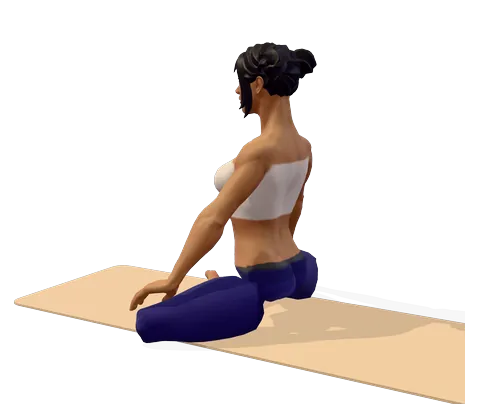 Easy PoseSukhasana
 Thunderbolt PoseVajrasana
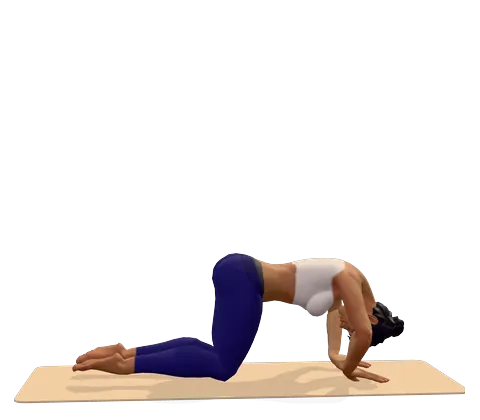 Cat PoseMarjaryasana
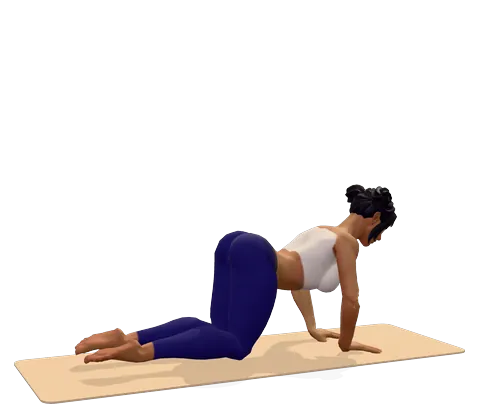 Cow PoseBitilasana
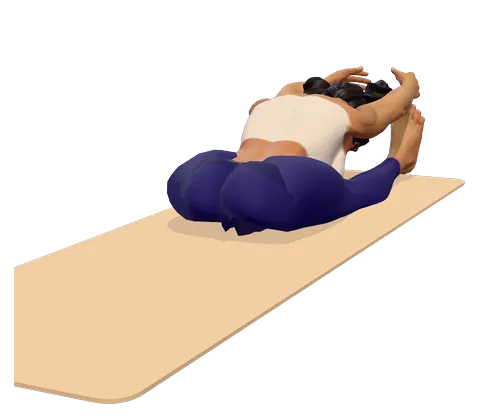 Seated Forward BendPaschimottanasana
 Raised Leg PoseUttanpadasana
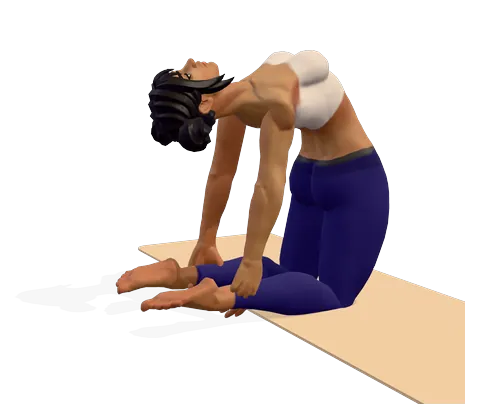 Camel PoseUstrasana
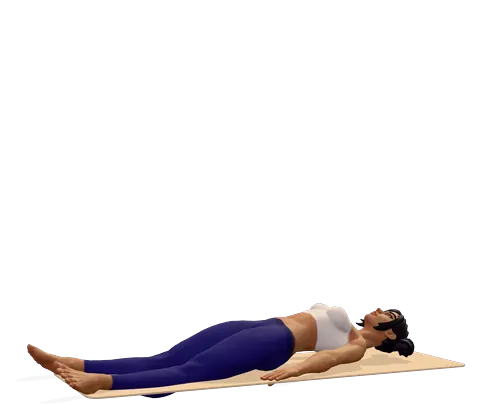 Corpse PoseSavasana
Frequently asked questions
What is kundalini yoga in simple words?
A style that uses repeated movements, strong breathing, chanting and meditation in set routines called kriyas, with the aim of raising energy and calming the mind.
Is kundalini yoga good for beginners?
Yes, in a gentle form. Start with long, slow breathing and short kriyas, and add breath of fire only once you are comfortable and have no medical reason to avoid it.
Is kundalini yoga dangerous?
Usually not when practised gently. Fast breathing can cause dizziness, and very intense practice can be overwhelming for people with a history of psychosis, trauma or seizures, who should ask a doctor first.
What is breath of fire?
Rapid, rhythmic breathing through the nose with equal inhales and exhales, powered by the belly. Avoid it in pregnancy and with high blood pressure, heart disease or epilepsy.
Who founded kundalini yoga?
The idea is centuries old. The modern style was brought to the West in 1968 by Yogi Bhajan, whose legacy is disputed after abuse allegations.
How often should I practise kundalini yoga?
A short kundalini yoga daily practice of 10–20 minutes is common. Consistency matters more than length.