Laughter yoga is a group or solo practice in which you laugh on purpose, without jokes, and combine the laughter with deep yogic breathing. It starts as pretend laughter and, because laughing is contagious, usually turns into real laughter within a few minutes. It needs no fitness, no mat and no sense of humour, which is why it is used everywhere from parks in India to care homes and offices.
What is laughter yoga?
A simple laughter yoga definition: a set of playful laughing exercises, rhythmic clapping and slow breathing, done for 20 to 30 minutes. Laughter yoga's founder, Dr Madan Kataria, a physician in Mumbai, started it in 1995 with a handful of people in a public park. The first group tried telling jokes, ran out of good ones, and discovered that laughing for no reason worked just as well. Today free laughter clubs meet in many countries.
It is sometimes called laughing yoga or laugh yoga. In India it is known as hasya yoga; the laughing yoga name in Hindi is हास्य योग, and a laughter club in Hindi is हास्य क्लब.
How laughter yoga works
The idea is "motion creates emotion". Your body responds to the physical act of laughing, the shaking belly and the long breath out, whether the laughter started as a joke or as an exercise. So is it a type of humour therapy? Not quite: humour therapy uses jokes and funny films, while this method uses the body and the breath, so it works even on a bad day. The yoga part is the breathing between rounds and the relaxation at the end.
What happens in a laughter yoga session
- Clapping warm-up: clap in a 1-2, 1-2-3 rhythm while chanting "ho-ho, ha-ha-ha".
- Deep breathing: breathe in as you raise your arms, then breathe out slowly as you lower them.
- Childlike play: everyone cheers "very good, very good, yay!" with thumbs up.
- Laughter exercises: short role-plays with laughter, repeated with breathing in between.
- Laughter meditation and rest: a few minutes of free laughter, then lying or sitting quietly.
Laughter yoga exercises list
These laughter yoga activities are some of the best-known ways to make you laugh. Hold each for 30 to 45 seconds, then take two slow breaths.
- Greeting laughter: shake hands or wave and laugh instead of saying hello.
- Milkshake laughter: pour an imaginary drink between two glasses, then "drink" it and laugh.
- Lion laughter: the best known of the laughter yoga poses, based on Simhasana, the lion pose: tongue out, eyes wide, hands like claws, laughing from the belly.
- Mobile phone laughter: hold an imaginary phone and laugh as if you just heard great news.
- Hearty laughter: spread your arms wide, look up and laugh from deep in the belly.
- Silent laughter: laugh with your mouth open but no sound, useful in an office.
Laughter yoga dance, where you move freely to music while laughing, is a popular way to end a class.
Laughter yoga health benefits: what the research says
The physical, mental and therapeutic health benefits of laughter therapy have been studied for decades in hospitals, schools and care homes. So how can laughter improve your health? Small trials and reviews suggest it may:
- Lift mood and ease stress, with some studies finding fewer depressive symptoms, especially in older adults.
- Improve feelings of social connection, which matters for loneliness in later life.
- Work the breathing muscles, since laughing means long, forceful breaths out.
- Give a light physical workout for the belly and diaphragm.
Be realistic about the evidence: most studies are small, short and cannot be "blinded", because people know when they are laughing. Laughter yoga for mental health can support treatment for depression or anxiety, but it does not replace therapy or medicine. See yoga for depression and yoga for stress relief for fuller plans. Claims of benefits for the brain, immunity or blood sugar go beyond what current research shows.
Who it suits, and who should take care
Almost anyone can join, which is its biggest strength. Laughter yoga for seniors works well seated, and the physical benefits of laughter for older adults come without any strain on the joints. For children, laughing yoga for kids is a natural fit: they already play this way. Teachers use short sessions before exams; the main laughter yoga benefits for students are a release of nervous energy and a calmer class.
Laughing hard raises pressure in the abdomen and chest. Laugh gently, or ask your doctor first, if you have a hernia, recent surgery, uncontrolled high blood pressure, heart disease, glaucoma, severe back pain or late pregnancy, or if hard laughter makes you cough or leak urine. Stop if you feel dizzy.
How to do laughter yoga alone: a 5-minute routine
Laughter yoga for beginners does not need a club. Wondering how to start laughing when you do not feel like it? Begin with sound and let the feeling follow. This laughter yoga 5 min routine works well in the morning or after a stressful call:
- Stand in mountain pose or sit tall and clap slowly: "ho-ho, ha-ha-ha" for 30 seconds.
- Raise your arms as you breathe in; laugh out as you lower them. Repeat 5 times.
- Do greeting laughter in front of a mirror, then lion laughter.
- Laugh freely for one minute, even if it feels silly.
- Sit quietly and breathe slowly for one minute. Use the breathing timer if you like a guide.
Laughter yoga online free sessions on video calls also work, since laughter spreads through a screen. For a quieter relaxation to follow, try Bhramari breathing.
Laughter yoga and laughter therapy in Hindi, meaning and benefits — हास्य योग: हास्य योग में बिना किसी चुटकुले के, जानबूझकर हँसा जाता है और साथ में गहरी साँस ली जाती है। इसकी शुरुआत 1995 में मुंबई में डॉ. मदन कटारिया ने की थी। इसके फायदे: तनाव कम होता है, मन हल्का होता है और लोगों से जुड़ाव बढ़ता है। हर्निया, हाल की सर्जरी या हृदय रोग हो तो धीरे हँसें और पहले डॉक्टर से पूछें।
Other types of yoga
Poses you will meet in Laughter Yoga
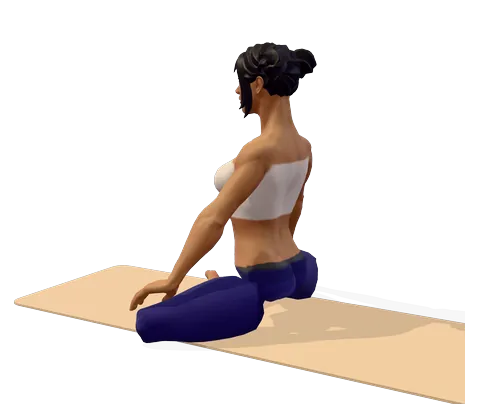 Easy PoseSukhasana
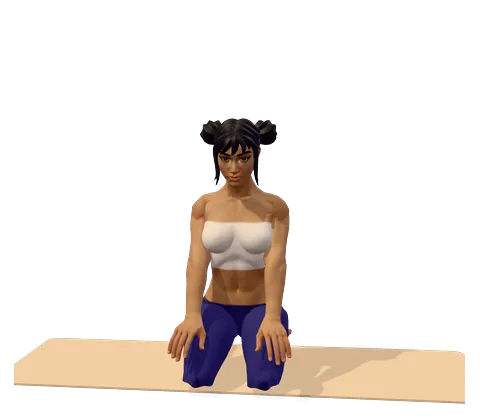 Lion PoseSimhasana
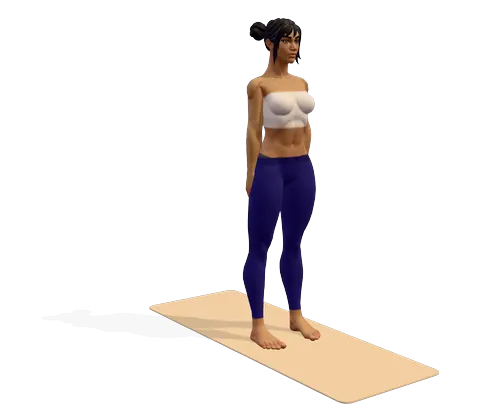 Mountain PoseTadasana
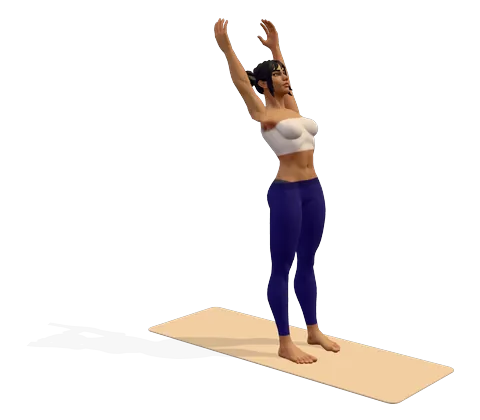 Raised Arms PoseHasta Uttanasana
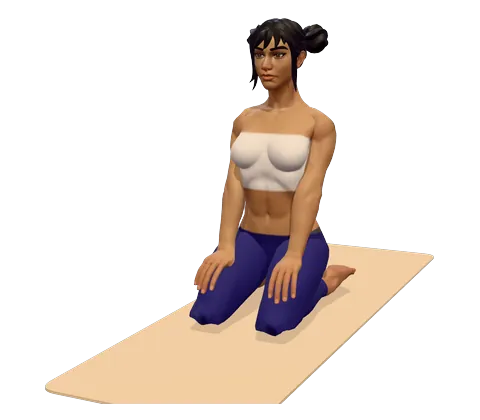 Thunderbolt PoseVajrasana
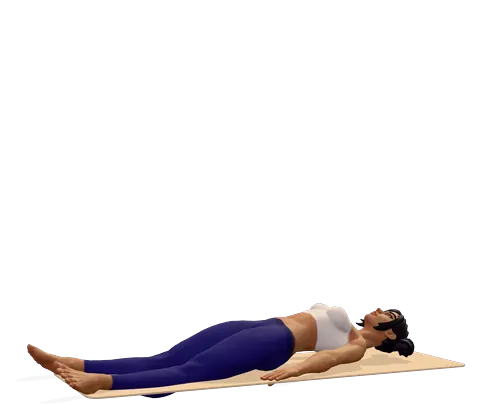 Corpse PoseSavasana
Frequently asked questions
What is laughter yoga?
It is a practice of laughing on purpose, without jokes, combined with deep breathing. Pretend laughter quickly becomes real laughter in a group. It was started in 1995 by Dr Madan Kataria in Mumbai.
How can laughter yoga change your life?
It will not fix big problems, but many people find a short daily session lifts their mood, eases stress and makes it easier to connect with others. Small studies support these effects on mood and stress.
Can I do laughter yoga alone?
Yes. Clap, breathe, do a few laughter exercises in front of a mirror and finish with quiet breathing. It feels odd at first; after a minute or two, most people start laughing for real.
What are 5 benefits of laughter yoga?
It may lift mood, ease stress, increase social connection, exercise the breathing muscles and give a gentle workout, all without special fitness or equipment.
Is laughter yoga good for seniors?
Yes. It can be done seated, strengthens social bonds and gives gentle exercise. Older adults with a hernia, heart disease or recent surgery should laugh gently and check with their doctor.
Is laughter yoga suitable for kids?
Very. Children enjoy the playful exercises, and short sessions can help them release energy and calm down. Keep it to five or ten minutes and end with a quiet rest.