Aerial yoga is yoga practised with a soft fabric hammock hung from the ceiling, usually at about hip height. The fabric takes some of your weight, so you can sink deeper into stretches, hang upside down without pressure on your head and neck, and rest cocooned inside it at the end. It is also sold as anti-gravity yoga, flying yoga or air yoga; the idea is the same.
What is aerial yoga?
The aerial yoga definition is simple: familiar poses such as downward dog, warrior and pigeon, done with a hammock for support, plus a few moves that only work in the air, like hanging inversions and swings. It grew out of circus and fitness studios in the 2000s and mixes yoga with elements of Pilates and dance.
Aerial yoga vs aerial silks
Aerial silks are a circus art: two long fabrics that you climb, wrap and drop from, several metres up. An aerial yoga hammock is one loop of fabric hung low, so your feet are usually close to the floor. Aerial silks for beginners demand far more grip, and aerial silks benefits lean towards strength and performance. The hammock version is gentler and closer to a normal yoga class.
What an aerial yoga class is like
A typical 60-minute class for beginners follows this pattern:
- Warm-up: joint circles and light stretches, often with the hammock as a support.
- Standing work: warriors and lunges with the fabric around your hips or under one foot.
- Supported stretches: pigeon, splits and backbends where the hammock holds a leg or your back.
- Inversions: the teacher shows a simple hanging pose with the fabric in the hip creases. Beginners can skip it.
- Cocoon rest: you lie inside the open hammock for a floating Savasana, the most restorative part of aerial yoga.
The main aerial yoga props are the hammock itself and a mat under it; some studios add handles or loops. Aerial yoga modifications for beginners include keeping one foot on the floor, lowering the hammock and using the fabric only for balance.
Aerial yoga benefits and side effects
Research on aerial yoga health benefits is very limited. The benefits below, also sold as anti-gravity, flying or air yoga benefits, come from what the method asks of your body, not from large trials:
- Grip, arm and core strength: the main aerial yoga muscle benefits, because you pull and hold yourself in the fabric.
- Deeper, supported stretching: the hammock lets you relax into hips and hamstrings.
- Spinal decompression: hanging inversions gently lengthen the spine without weight on the head. Some people with a stiff back love this; aerial yoga for back pain should still be cleared by your doctor.
- Fun and focus: playing with balance keeps your mind in the room, which can ease stress.
What about aerial yoga detox benefits? Hanging upside down does not "detox" the body; your liver and kidneys do that. As for aerial yoga benefits for weight loss, a class counts as moderate exercise, roughly like other active yoga, so it helps only as part of regular activity. Estimate your session with the yoga calories calculator.
Common side effects in the first weeks are bruises on the hips and thighs where the fabric presses, sore forearms, and mild dizziness or nausea after inversions. Come up slowly and sit for a moment before standing.
Is aerial yoga safe? Who should avoid it
With a trained teacher and properly rigged equipment, it is generally safe for healthy adults. The main aerial yoga dangers are falls from a poorly fixed hammock and the effects of inversions. Skip inversions, or the whole class, if you have:
- High blood pressure or heart disease (see yoga for high blood pressure for safer options), glaucoma or a detached retina
- Pregnancy: aerial yoga at 7 months pregnant, or at any stage, is not advised unless your doctor and a prenatal-trained teacher agree
- Recent surgery, a hernia, vertigo, epilepsy or recent head injury
- Osteoporosis or a shoulder injury that makes hanging painful
Aerial yoga for seniors and for kids is possible in classes designed for them, with low hammocks and no big drops. Children usually love it, but they need close supervision.
Aerial yoga at home: hammock setup and safety
An aerial yoga hammock for home needs a fixing that can hold several times your body weight while you swing. That means a ceiling beam checked by a builder with rated rigging equipment (swivels, carabiners and daisy chains), or a free-standing aerial yoga frame.
An aerial yoga door strap may suit light stretches, but never hang upside down from a door frame. If you are not sure the fixing is safe, do not use it: most home injuries come from rigging, not poses. Learn the basics and safe aerial yoga progressions in a class before you practise alone, and keep a thick mat underneath.
How to prepare for aerial yoga: a mat routine
You do not need a hammock to get ready. These aerial yoga mat exercises make a 15-minute warm up that builds the strength and flexibility beginners need. Follow the poses with our 3D guide in the sequence builder:
- Downward dog for 5 breaths, to open shoulders and hamstrings.
- Plank for 20–30 seconds, 3 times, for core and arm strength.
- Warrior II on each side, a lower body workout for steady legs.
- Pigeon for 1 minute per side, for the hip stretch you will deepen in the hammock.
- Bound angle and a standing forward fold, then rest.
Eat lightly two hours before class, wear fitted clothes that cover your armpits and the backs of your knees, and remove rings and watches that could snag the fabric.
Aerial yoga vs Pilates
Pilates is precise core training on a mat or reformer. Aerial practice includes some core work but is more about stretching, inversions and play. If you want a stronger core without equipment, try Yogalates; if you enjoy working with others in the air, look at acro yoga.
Aerial yoga meaning and benefits in Hindi — एरियल योग: एरियल योग में छत से लटके कपड़े के झूले (hammock) की मदद से योगासन किए जाते हैं। इससे स्ट्रेचिंग गहरी होती है, बाहों और कोर की ताकत बढ़ती है और रीढ़ पर दबाव कम होता है। हाई ब्लड प्रेशर, हृदय रोग, ग्लूकोमा या गर्भावस्था में उल्टा लटकने वाले आसन न करें। शुरुआत किसी प्रशिक्षित शिक्षक के साथ करें।
Other types of yoga
Poses you will meet in Aerial Yoga
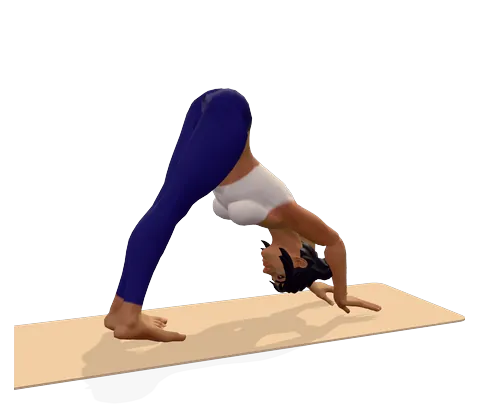 Downward-Facing Dog PoseAdho Mukha Svanasana
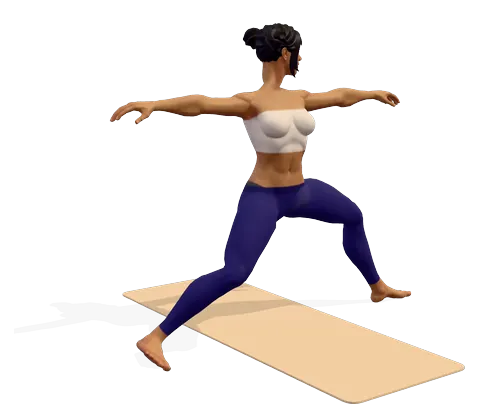 Warrior II PoseVirabhadrasana II
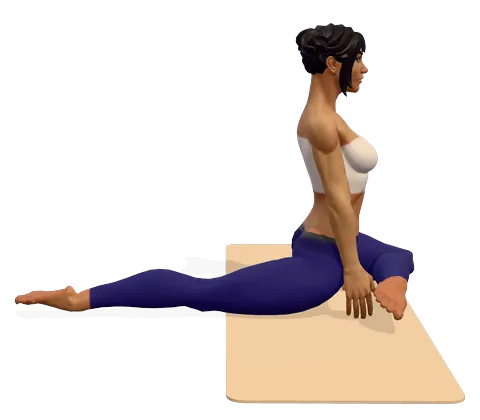 Pigeon PoseEka Pada Rajakapotasana
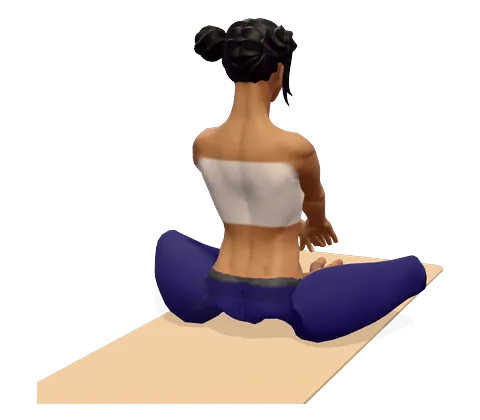 Bound Angle PoseBaddha Konasana
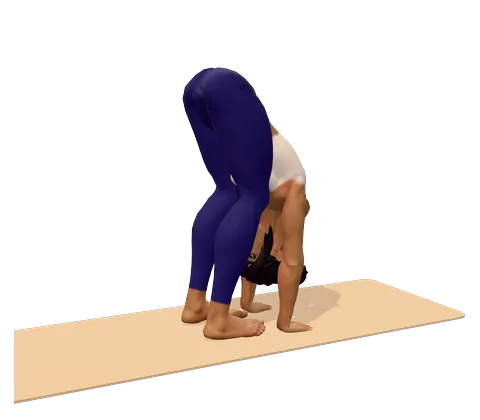 Standing Forward BendUttanasana
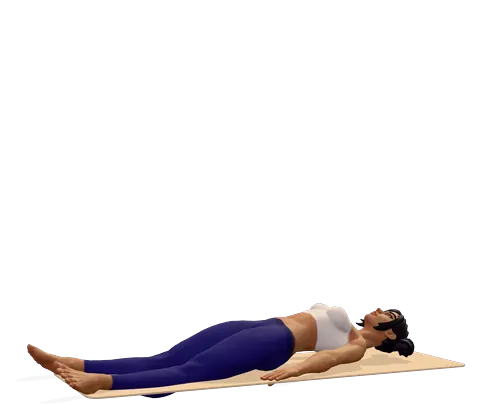 Corpse PoseSavasana
Frequently asked questions
Can beginners do aerial yoga?
Yes. Most studios run aerial yoga classes for beginners where you keep your feet near the floor and only try inversions when you feel ready. No previous yoga is required, although basic strength helps.
Is aerial yoga hard?
The first class feels strange rather than hard. Holding the fabric tires your hands and forearms, and hanging upside down takes getting used to. Most people feel comfortable after three or four sessions.
Is aerial yoga a good workout?
It is a moderate full-body workout that builds grip, arm and core strength and improves flexibility. For heart fitness or weight loss, combine it with walking or a faster yoga style.
What is aerial yoga good for?
Supported stretching, upper-body and core strength, gentle spinal traction in inversions, and a playful change from mat practice. The rest in the hammock at the end is deeply relaxing.
Is aerial yoga good for you if you have back pain?
Some people with a stiff back find hanging relieves pressure, but others feel worse. Ask your doctor or physiotherapist first, avoid it with a recent disc injury, and start with supported poses rather than inversions.
Why do I get bruises from aerial yoga?
The fabric presses on the hips, thighs and armpits while it holds your weight. Mild bruising is common in the first weeks and fades as your skin and technique adapt.