Acro yoga is a partner practice that combines yoga, acrobatics and a little Thai massage. One partner, the base, lies on the floor and supports the other, the flyer, on their feet and hands; a third person, the spotter, stands by to keep everyone safe. It looks like a circus act, but the first poses need more trust and timing than strength.
What is acro yoga?
The acro yoga meaning is in the name: "acro" from acrobatics, joined to yoga. Partner balances have existed in circus and gymnastics for a long time; the combined practice took shape in California in the early 2000s and spread worldwide through open community "jams". You will also see it written as one word, acroyoga. There are two sides to it:
- Solar (acrobatic): balances, transitions and flows that build strength and playfulness.
- Lunar (therapeutic): gentle, upside-down "therapeutic flying", where the flyer hangs relaxed on the base's feet and the base gives a light massage.
So what is acrobatics in yoga? It is the movement between poses: lifting, turning and landing, done with the steady breath and body awareness that yoga teaches. Acro yoga flows link poses together: a simple acro yoga flow for beginners goes from front bird to folded leaf and back.
The three roles: base, flyer and spotter
| Role | What you do | What it trains |
|---|---|---|
| Base | Lie on your back with legs and arms straight up, stacking bones so the skeleton, not the muscles, carries the weight | Core, legs, steady alignment |
| Flyer | Balance on the base's feet or hands, keeping your body firm and your core engaged | Core strength, balance, courage |
| Spotter | Stand close, watch the flyer's head and shoulders, and catch if needed | Attention, clear communication |
A good acro yoga base keeps the legs vertical over the hips. The heavier partner usually starts as base, but lighter people base successfully too, because straight bones do the work.
Easy acro yoga poses for beginners
These simple acro yoga poses for 2 beginners are the basic moves most classes teach first. Always practise them with a spotter on a soft surface.
Front bird
The base lies down and places the soles of the feet on the flyer's hip bones. Holding hands, the base bends the knees, the flyer leans forward, and the base straightens the legs to lift. The flyer lets go and opens the arms like wings. The acro yoga bird is the classic flying pose and the doorway to everything else.
Throne
The flyer sits on the base's feet as if on a chair, while the base holds the flyer's shins. The acro yoga throne feels stable and teaches the base to keep the legs vertical.
Folded leaf
From front bird, the flyer relaxes forward and folds over the base's feet, arms and head hanging. This acro yoga folded leaf is the first taste of therapeutic flying: it gently stretches the back and feels calm, even upside down.
Double downward dog
Not all acro yoga beginner poses leave the floor. In acro yoga downward dog, one partner holds downward dog and the other places their feet on the first partner's lower back and walks the hands in. It is a good, low-risk way to practise trust.
Acro yoga benefits
There is almost no formal research on the practice itself, so these benefits come from the demands it makes:
- Core and full-body strength: both base and flyer hold firm shapes against gravity.
- Balance and body awareness: you learn to feel small shifts of weight and correct them.
- Communication and trust: you learn to say "down" clearly and to listen.
- Play and connection: acro yoga for couples and friends is simply fun, which keeps people practising.
Unlike aerial yoga benefits, which come from the support of a hammock, acro benefits come from another person, so the social side is part of the practice.
Acro yoga tips and safety: details to remember before acro yoga
- Always use a spotter until a pose is easy, and always for anything upside down.
- Agree on words: "down" means come down now, no questions.
- Prepare your body: short nails, no rings or watches, fitted clothes, and an empty stomach.
- Practise on grass or a thick mat, with space all around.
- Warm up first: wrists, shoulders, hips and core.
Avoid acrobatic partner work if you are pregnant or have osteoporosis, and skip inversions with high blood pressure, glaucoma or recent eye surgery. With a wrist, shoulder, neck or back injury, ask a physiotherapist first.
Acro yoga for one person: solo training at home
Acro yoga for one person does not really exist, but you can build the strength and control you will need on your own. This 15-minute routine prepares both base and flyer:
- Plank: 3 holds of 30 seconds for a firm body in front bird.
- Boat pose: 3 holds of 5 breaths for the core.
- Locust pose: the same shape as front bird, lying on the floor.
- Side plank on each side for shoulder stability.
- Crow pose practice to get used to weight on your hands.
- Child's pose to finish.
Save these in the sequence builder and let the 3D guide count your breaths. For a steady foundation, see yoga for beginners, or play the Core Strength session in our guided sessions.
Acro yoga for kids, teens and groups
Children often pick up simple partner balances faster than adults. Acro yoga for kids works best with easy shapes, such as double downward dog, back-to-back sitting and assisted tree, rather than lifting each other high; an adult should spot every lift.
Acro yoga for teens can add front bird with a trained spotter. Group acro yoga poses for 3 or 4 people, such as pyramids, need even more care. For solo ideas see yoga for kids, and for a hammock-based alternative try aerial yoga.
Acro yoga meaning in Hindi — एक्रो योग: एक्रो योग योग और कलाबाज़ी (acrobatics) का मेल है, जिसे दो या तीन लोग मिलकर करते हैं। एक व्यक्ति (base) ज़मीन पर लेटकर दूसरे (flyer) को पैरों पर उठाता है और तीसरा (spotter) सुरक्षा के लिए पास खड़ा रहता है। इससे कोर की ताकत, संतुलन और आपसी भरोसा बढ़ता है। शुरुआत हमेशा नरम सतह पर और किसी स्पॉटर के साथ करें।
Other types of yoga
Poses you will meet in Acro Yoga
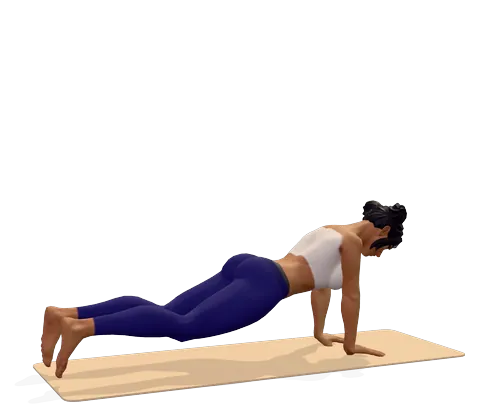 Plank PosePhalakasana
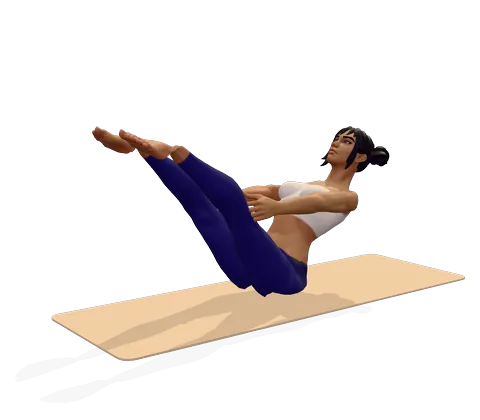 Boat PoseNaukasana
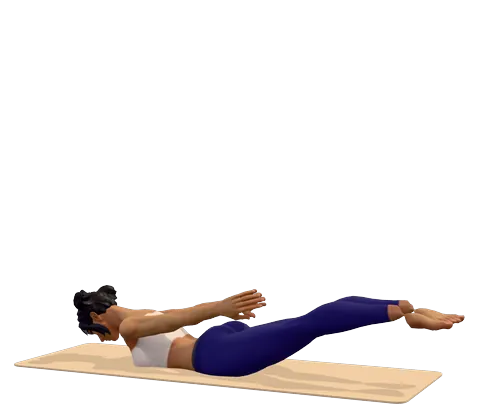 Locust PoseSalabhasana
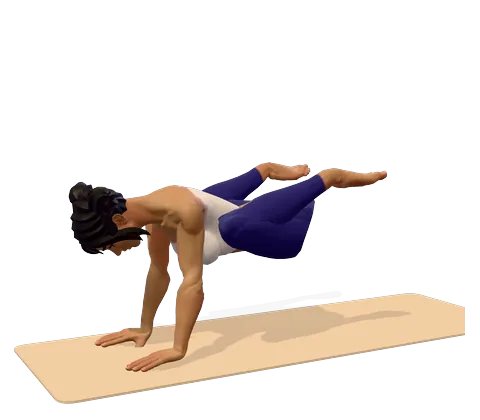 Crow PoseBakasana
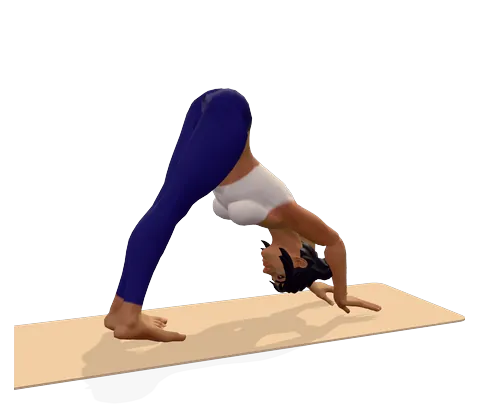 Downward-Facing Dog PoseAdho Mukha Svanasana
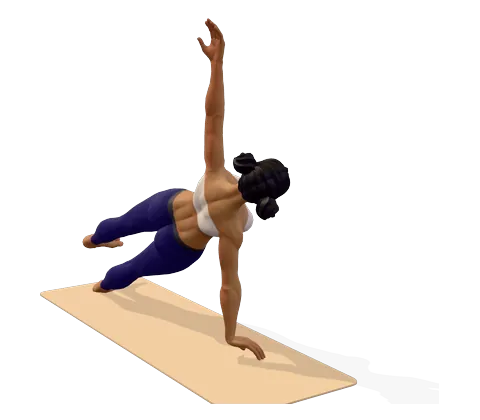 Side Plank PoseVasisthasana
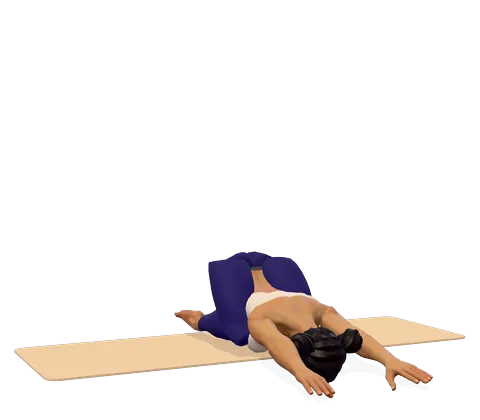 Child’s PoseBalasana
Frequently asked questions
Can complete beginners do acro yoga?
Yes. A beginner acro yoga class usually starts with basic poses: front bird, throne and double downward dog, and teach you to base, fly and spot. You do not need to be strong or flexible to start, just willing to communicate and go slowly.
How many people do you need for acro yoga?
Three is ideal for learning: a base, a flyer and a spotter. Two experienced partners can practise simple poses together, and larger groups build pyramids.
Do you need to be light to be the flyer?
No. Good technique matters more than weight: the base stacks the feet over the hips so the bones carry the load. Partners of very different sizes can practise basics safely with a spotter.
What are the easiest acro yoga poses for two people?
Front bird, throne, folded leaf and double downward dog. Learn them in this order and always with a spotter.
Is acro yoga safe?
With a spotter, a soft surface and clear communication, beginner poses are low risk. Most injuries come from rushing into advanced tricks. Avoid it in pregnancy and with osteoporosis.
How do I learn acro tricks?
Master the acro yoga basics first, then learn one transition at a time from a trained teacher, with a spotter, until it feels easy before adding the next.